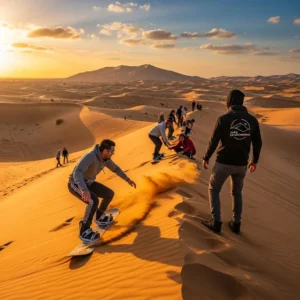
UAE Desert Weather: Unlocking the Secrets to Optimal Safari Planning
The success of your desert safari is intimately tied to the climate. UAE Desert Weather is known for its extremes.
Understanding these conditions is not just about comfort; it is a critical safety issue.
Planning your trip around the Desert Weather Guide ensures a comfortable and secure adventure.
The right timing is the powerful secret to maximizing your enjoyment.
This guide provides 14 powerful secrets to navigating the Dubai Desert Climate successfully.
1. The Core Secret: Best Time for Safari
The single most important decision is when to book your trip.
Peak Season for Best Time for Safari
The period from November to March offers the most pleasant UAE Desert Weather.
Temperatures during the day are warm and comfortable, often ranging from 20°C to 30°C.
Evenings are cool, perfect for the Desert Safari BBQ and performances.
This is universally considered the Best Time for Safari.
Shoulder Season Strategy
The shoulder months of April, May, September, and October offer lower prices.
However, the Heat in Dubai Desert begins to rise significantly during the day.
If you travel during the shoulder season, opt for evening safaris to Avoid Midday Heat.
2. Summer Extremes: Heat in Dubai Desert and Its Risks
The summer months (June, July, August) present the most challenging UAE Desert Weather conditions.
Scorching Temperatures
Daytime temperatures regularly exceed 40°C and can climb toward 50°C in direct sun.
These conditions make daytime Desert Safari Activities dangerous.
Only early morning trips should be considered during this time.
The intense Heat in Dubai Desert requires extreme caution.
Safety in Desert Heat Protocols
Operators implement strict protocols for Safety in Desert Heat.
This includes frequent water stops and ensuring all vehicles have fully functional air conditioning.
Visitors must prioritize hydration and wear light, protective clothing.
Ignoring these rules is a major risk to Desert Travel Health.
3. Understanding the Desert Temperature Chart
The contrast between day and night temperatures is dramatic in the desert.
This phenomenon is captured on the Desert Temperature Chart.
Low Humidity Impact
The desert air lacks humidity, meaning it retains very little heat after the sun sets.
This causes a rapid temperature drop after the golden hour.
The difference between daytime highs and nighttime lows can exceed 15°C.
This fluctuation requires smart planning, even in winter.
Necessary Layering
Consulting the Desert Temperature Chart highlights the need for layers.
A jacket or shawl is mandatory, even if the Heat in Dubai Desert was intense earlier.
This simple preparation ensures a comfortable evening at the camp.
4. Wind in UAE Desert: Sandstorms and Visibility
The Wind in UAE Desert is a critical factor affecting both safety and visibility.
Sandstorm Risk
Sandstorms, while usually localized and short-lived, can occur.
They severely reduce visibility and fill the air with fine sand.
A responsible operator will monitor the Desert Weather Guide for high wind warnings.
Activities are postponed or cancelled if conditions become unsafe.
Safety During Wind in UAE Desert
If wind suddenly increases, cover your face with a scarf or bandana.
The guide will instruct the driver to slow down and find a safe, sheltered position.
This is a vital component of Desert Safety Precautions.
5. Seasonal Desert Risks Beyond Heat
The Desert Weather Guide encompasses more than just temperature.
Low Visibility
In winter, early morning fog can sometimes affect the journey to the desert.
This is a Seasonal Desert Risks factor that affects transfer times.
The guide will manage the route safely during periods of low visibility.
Flash Floods
Though extremely rare, heavy rainfall can cause localized flash floods in desert wadis (dry riverbeds).
Reputable operators will have contingency plans and monitor forecasts for this Seasonal Desert Risks.
This possibility is always considered during the Desert Weather Guide review.
6. Safety in Desert Heat: Essential Hydration Strategies
Prioritizing hydration is the most fundamental aspect of Safety in Desert Heat.
Proactive Drinking
Do not wait until you feel thirsty to drink water. Thirst is already a sign of mild dehydration.
Drink water constantly, in small amounts, throughout the afternoon.
Avoid excessive consumption of sugary soft drinks.
This proactive approach defines good Safety in Desert Heat habits.
Electrolyte Intake
On high-heat days, supplementing water with electrolytes (rehydration salts) is advisable.
Sweating causes the loss of vital salts, which plain water alone cannot replace.
This specialized focus improves Desert Travel Health.
7. Choosing the Right Time for Dune Bashing
The choice of time affects both the intensity and the enjoyment of the main activity.
Early Morning Advantage
Early morning offers cooler temperatures and firmer sand.
This allows for a smoother, potentially faster, dune bashing experience.
It’s often favored by adrenaline seekers for the crisp start.
This Best Time for Safari window is gaining popularity.
Afternoon Considerations
Afternoon sessions are hotter, and the sand is softer and looser.
The driving is often timed to climax at the sunset viewing spot.
This provides the best ambiance for the Desert Safari BBQ.
8. Dubai Desert Climate: The Best Season for Safari
The Best Season for Safari runs concurrently with the peak tourist season.
Winter is Ideal
From November to March, the Dubai Desert Climate is at its best.
Booking during this window ensures optimal temperatures for all activities.
You can fully enjoy the camp activities without heat stress.
This time offers the lowest Seasonal Desert Risks.
Booking Early
Because this is the Best Season for Safari, tours book up quickly.
Ensure your Desert Weather Guide planning includes booking several months in advance.
Consult external links like https://dubaidesertsafarie.com/ for early booking deals.
9. Desert Safety Precautions: Vehicle and Guide Reliance
Your reliance on the operator’s expertise is total in the desert.
Vehicle Integrity
Desert Safety Precautions demand the use of well-maintained 4×4 vehicles.
Check that the operator has a reputation for safety and professional maintenance.
This is the non-negotiable bedrock of your Desert Safari Safety.
Guide Communication
Your guide is your lifeline. They monitor UAE Desert Weather changes and terrain.
Follow their instructions immediately regarding movement, stopping, or exiting the vehicle.
Their training is your primary defense against Desert Temperature Chart extremes.
10. Desert Travel Health: Managing Existing Conditions
Seniors or travelers with existing conditions must take extra steps for Desert Travel Health.
Medical Clearance
Consult your doctor about any specific concerns regarding heat and motion.
Carry all necessary medications in an accessible, temperature-controlled bag.
Inform your guide about conditions like asthma or diabetes.
Managing Motion Sickness
Take motion sickness medication an hour before pickup.
Ask the driver for a smoother ride, especially if you feel unwell.
This customization is available through private tours like those at https://royaldesertadventures.ae/.
11. Customizing Your Trip: The Desert Weather Guide Strategy
You can use the Desert Weather Guide to customize your trip for maximum enjoyment.
Private Tour Advantage
Booking a private tour allows you to set the schedule based on the forecast.
If the UAE Desert Weather is forecast to be excessively hot, you can push the start time later.
This flexibility minimizes the exposure to peak Heat in Dubai Desert.
This is a premium feature provided by services focusing on customized experiences.
Choosing Low Impact
On days with strong Wind in UAE Desert forecasts, opt for a heritage or conservation tour.
These tours travel slower, reducing the amount of sand kicked up by vehicles.
This deliberate choice enhances comfort and minimizes exposure to blowing sand.
12. Vetting Operators: Ensuring Safety in Desert Heat Compliance
Verifying the operator’s commitment to safety is paramount.
Review Check
Check reviews on external platforms like https://hafiztourism.com/ for feedback on Safety in Desert Heat compliance.
Look for reviews mentioning the guide’s diligence regarding water breaks and vehicle comfort.
A reliable operator prioritizes guest well-being above schedule adherence.
Emergency Protocols
A reliable operator will have clear emergency procedures, including vehicle recovery and communication protocols.
Inquire about these measures to ensure your Desert Travel Health is prioritized.
13. Wind in UAE Desert: Minimizing Sand Exposure
Specific actions minimize the discomfort caused by the Wind in UAE Desert.
Protective Gear
Wear goggles or high-quality sunglasses that seal around the eyes.
A scarf or bandana placed over the mouth and nose helps filter the fine sand.
This gear is especially important during sandboarding and quad biking activities.
Vehicle Entrances
Be cautious when opening vehicle doors during high wind.
The sudden pressure change can pull the door and fill the cabin with sand.
14. Desert Temperature Chart: Nighttime Considerations
The Desert Temperature Chart highlights essential nighttime preparations.
Fire Safety
Be aware of open fire pits used for cooking or atmosphere at the camp.
Maintain a safe distance and supervise children closely.
This is a basic Desert Safety Precautions step.
Layering Strategy
Always bring a jacket, even if you feel you won’t need it.
The evening is when the vast temperature difference becomes most apparent.
A sudden chill can be distracting during the Desert Safari BBQ and cultural shows.
15. The Role of Humidity in Dubai Desert Climate
Though low, humidity still plays a small role in the Dubai Desert Climate.
On rare high-humidity days, the heat can feel more oppressive.
This makes the need for effective Safety in Desert Heat ventilation even more critical.
The low humidity is generally a benefit, however, contributing to clear skies and better stargazing.
16. Best Time for Safari: Understanding Crowds
The Best Time for Safari (winter) unfortunately coincides with the highest tourist volume.
Crowds and Experience
Expect camps to be busy and booking lead times to be long.
The high demand means competition for the best guides and vehicles is fierce.
Book early to secure premium services during this peak window.
Mitigation
If you must travel in winter, opt for early morning or private tours to mitigate crowds.
This maintains the exclusivity of your Desert Safari Experience.
17. Seasonal Desert Risks: The Sun’s Power
The intensity of the UV index is a constant Seasonal Desert Risks.
Sun exposure is high, even on cooler winter days.
UV rays are reflected by the sand, increasing your exposure risk.
Strict adherence to sunscreen application is mandatory year-round.
18. Hydration and Health: The Desert Travel Health Imperative
A dedicated commitment to Desert Travel Health ensures a successful trip.
Recognizing Signs
Be aware of the signs of heat exhaustion: nausea, pale skin, and dizziness.
If you suspect heat stress, alert your guide immediately and rest in the shade.
Your Desert Travel Health relies on early recognition and swift action.
19. Desert Safety Precautions: Animal Encounters
Be aware of nocturnal creatures that become active in the evening.
Do not wander off the marked camp area after sunset.
Your guide has specific Desert Safety Precautions regarding local wildlife.
Respect their knowledge and avoid disturbing any animals you may encounter.
20. Final Thoughts on UAE Desert Weather
Planning your trip around the nuances of UAE Desert Weather is essential.
Prioritize safety, comfort, and informed choice.
By understanding the Desert Weather Guide, you guarantee the best possible adventure.
Your successful trip depends on preparation and selecting a reliable operator.
Frequently Asked Questions (FAQs) – Long Answers
1. What are the specific temperature extremes during the summer months (June-August) and why does the Heat in Dubai Desert pose a risk?
During the summer months (June-August), the UAE Desert Weather can reach extreme highs, often exceeding 40°C to 45°C in the shade, and feeling much hotter in direct sunlight. This intense Heat in Dubai Desert poses a risk because the dry air accelerates dehydration and suppresses the body’s natural cooling mechanism (sweating effectively stops working above a certain heat threshold). This rapid heat gain can lead quickly to heat exhaustion, sunstroke, and organ damage. Therefore, Desert Travel Health demands activities be minimized or canceled during peak midday hours.
2. How does the low humidity in the Dubai Desert Climate contribute to both clear viewing (stargazing) and the drastic temperature drop at night?
The low humidity in the Dubai Desert Climate is a key climatic factor. Clear Viewing: Low moisture content means fewer particles in the atmosphere to scatter light, allowing for exceptionally clear viewing of sunsets and enhancing stargazing quality. Temperature Drop: Lack of atmospheric moisture means the air retains very little heat after sunset. The heat radiates quickly into space, causing the temperature to drop drastically and rapidly—sometimes by 15°C or more—necessitating warm layers, even after a very hot day.
3. When is the Best Season for Safari, and what are the drawbacks of traveling during the high-heat shoulder months (April and October)?
The Best Season for Safari is during the mild winter months, November to March. The primary drawback of traveling during the shoulder months (April and October) is the rising Heat in Dubai Desert. While prices may be lower, daytime temperatures often climb uncomfortably high (35°C+). This heat means that the Desert Safari Activities must be restricted to the late afternoon and evening, and high-energy sports like quad biking may be too risky due to the increased threat of heat exhaustion and the resulting need for stringent Safety in Desert Heat protocols.
4. What Desert Safety Precautions must be taken by operators and visitors regarding potential sandstorms caused by the Wind in UAE Desert?
Desert Safety Precautions regarding sandstorms involve proactive monitoring and swift action. Operators monitor the Desert Weather Guide for high wind warnings and will cancel or postpone tours if a severe sandstorm is imminent. Visitors should always carry a scarf or bandana to cover their nose, mouth, and eyes if the wind suddenly increases. The guide’s protocol is to safely halt the vehicle, turn off the engine, and wait until visibility improves. Passengers must remain securely inside the vehicle until the all-clear is given.
5. What is the standard protocol for hydration and water supply adherence to Safety in Desert Heat compliance during a safari trip?
The standard protocol for hydration and water supply adherence to Safety in Desert Heat requires unlimited access to bottled water. Reputable operators must provide ample bottled water throughout the entire trip, starting immediately upon pickup. The guide is trained to actively encourage guests to drink water frequently. Compliance: Visitors should drink water proactively, even when not thirsty, and limit consumption of diuretics like alcohol or caffeine until after the adventure is complete. The goal is continuous internal cooling to prevent the effects of the Heat in Dubai Desert.
6. How does the vehicle’s air conditioning and seating placement contribute to Desert Travel Health and overall comfort during transit?
The vehicle’s air conditioning and seating placement are crucial for Desert Travel Health during transit. AC: The AC must be fully functional and set to a comfortable temperature to mitigate the external heat, especially during the afternoon pickup. Seating: Passengers should be seated comfortably, with no more than four adults in the rear seats (in a standard 7-seater 4×4) to allow for necessary space and ventilation. Overcrowding compromises airflow and exacerbates heat discomfort, increasing Desert Travel Health risks.
7. How can the internal link https://royaldesertadventures.ae/ help travelers use the Desert Weather Guide to book a customized, low-exposure safari?
The internal link https://royaldesertadventures.ae/ helps travelers use the Desert Weather Guide by offering premium, customized services. Travelers booking luxury tours can schedule their itinerary around the specific forecast, choosing to delay their start to avoid the peak afternoon heat. They can request a specialized, non-dune-bashing route that minimizes jarring motion, or book a quiet, private camp that offers guaranteed shaded seating and superior ventilation, ensuring a highly comfortable and low-exposure UAE Desert Weather experience.
8. What are the most reliable external resources tourists can use to check the UAE Desert Weather forecast, specifically for wind and dust warnings?
The most reliable external resources tourists can use to check the UAE Desert Weather forecast are official meteorological sources. These include the UAE’s National Center of Meteorology (NCM) website or app, and trusted international weather apps that source data directly from airport meteorological stations. These sites provide accurate, specific forecasts for wind speed and direction, which are the most critical factors for predicting potential sandstorms and managing Desert Safety Precautions.
9. What unique challenges does the Desert Temperature Chart highlight for the Safari Emergency Guide protocol?
The Desert Temperature Chart highlights unique challenges for the Safari Emergency Guide protocol by showing the need to address both extreme heat (daytime) and extreme cold (nighttime). Protocols must include procedures for rapid treatment of heat exhaustion and sunstroke (cooling, hydration). They must also include procedures for preventing hypothermia if a vehicle breaks down and travelers are exposed to low nighttime temperatures. Safari First Aid kits must contain blankets and rehydration salts to address this vast temperature range.
10. How does the focus on Eco-Friendly Desert Tourism affect safety, particularly concerning vehicle speeds and designated trails?
The focus on Eco-Friendly Desert Tourism positively affects Desert Safari Safety by promoting lower vehicle speeds and adherence to designated trails. Speed: Eco-tours prioritize wildlife observation and low-impact driving, which inherently means lower speeds, reducing the risk of high-impact crashes. Trails: Sticking to designated trails prevents vehicles from getting lost in unfamiliar, challenging terrain, making recovery easier should a breakdown occur. This responsible practice aligns closely with stringent Desert Safety Precautions.
11. What are the long-term Desert Travel Health risks associated with repeated, unprotected sun exposure during Desert Safari activities?
The long-term Desert Travel Health risks associated with repeated, unprotected sun exposure are significant. The high UV index and constant reflection off the sand increase the risk of skin damage, premature aging, and long-term dermatological issues, including skin cancer. Unprotected exposure can also contribute to eye damage (cataracts or photokeratitis). Year-round, vigilant use of high-SPF sunscreen, wide-brimmed hats, and UV-protective sunglasses is mandatory to mitigate these severe risks.
12. How does the Best Season for Safari (winter) impact the cost and availability of packages compared to other times of the year?
The Best Season for Safari (November to March) significantly impacts cost and availability. Cost: Prices during this window are the highest of the year due to peak demand. Availability: Tours, especially high-quality or specialized ones, book up quickly. Travelers must finalize their Best Time for Safari bookings several months in advance to secure their preferred dates and avoid paying inflated last-minute rates.
13. What is the role of a licensed safari guide in enforcing Desert Safety Precautions related to animal encounters?
A licensed safari guide plays a critical role in enforcing Desert Safety Precautions related to animal encounters. Guides are trained to identify local wildlife and understand their behavior. Their role is to: 1. Maintain Distance: Ensure vehicles and guests maintain safe, respectful distances from animals like the Arabian Oryx or snakes. 2. Educate: Advise guests never to feed or attempt to touch wildlife. 3. Emergency: Know the protocol for handling dangerous encounters, although these are extremely rare.
14. What are the immediate actions a traveler should take if they experience signs of heat exhaustion or sunstroke during the afternoon safari?
If a traveler experiences signs of heat exhaustion or sunstroke (dizziness, nausea, heavy sweating), they should take immediate actions: 1. Inform the Guide: Alert the guide immediately. 2. Seek Shade: Move to the coolest, most shaded area (usually inside the AC-running vehicle). 3. Hydrate: Slowly sip water or an electrolyte drink. 4. Cool Down: Apply cool water or compresses to the neck and wrists. The guide, following Safari Emergency Guide protocol, will decide if an immediate return to the city is necessary.
15. How do external platforms like https://hafiztourism.com/ help travelers choose operators who follow the strict Desert Temperature Chart guidelines?
External platforms like https://hafiztourism.com/ help travelers choose operators who follow strict Desert Temperature Chart guidelines by providing transparency and feedback. They list packages that specify if they offer “summer timing adjustments” (e.g., later start for evening safaris). Travelers can read reviews to see if past guests praised the operator’s diligence in providing sufficient water and AC functionality, confirming their commitment to managing the temperature extremes associated with the UAE Desert Weather.