Desert Safari Toddler Safety 7 Essential Tips for Parents
Desert Safari Toddler Safety is the first thing every parent thinks about when planning a trip to the golden dunes of Dubai. Taking a young child into the vast wilderness requires careful planning and a deep understanding of the environment.
The desert is a place of wonder and excitement. However, for a toddler, it can also be a place of extreme temperatures and bumpy rides. Ensuring Desert Safari Toddler Safety means you can enjoy the sunset while your child stays happy and protected.
Preparation is the key to a successful family outing. By focusing on Desert Safari Toddler Safety, you are setting the stage for memories that will last a lifetime without the stress of unexpected mishaps.
Many families wonder if the desert is suitable for children under three. The answer is yes, provided you follow strict Desert Safari Toddler Safety protocols and choose the right tour operator for your needs.
Understanding the Desert Environment for Kids
The UAE desert is a unique landscape. For children, the sand is a giant playground. But Desert Safari Toddler Safety involves recognizing that the sun is much stronger here than in the city.
Hydration is a pillar of Desert Safari Toddler Safety. Toddlers lose fluids much faster than adults, so keeping a bottle of water handy is non-negotiable throughout the entire trip.
Shadow and shade are your best friends. When practicing Desert Safari Toddler Safety, always look for covered areas at the campsite to keep your child away from direct ultraviolet rays.
The sand itself can get very hot. Part of Desert Safari Toddler Safety is ensuring your child wears appropriate footwear so their sensitive feet do not get burned while playing near the camp.
| Safety Category | Priority Level | Key Action |
| Hydration | Critical | Constant water intake |
| Sun Protection | High | SPF 50+ and hats |
| Motion Safety | High | Avoid heavy dune bashing |
| Temperature | Medium | Dress in light layers |
Choosing the Right Vehicle for Safety
When you book a trip, Desert Safari Toddler Safety starts with the vehicle. Not all 4×4 cars are equipped with the necessary car seats for small children.
You must insist on a child-safe seat. Desert Safari Toddler Safety cannot be guaranteed if a child is simply sitting on a lap during the drive through the desert terrain.
The driver’s experience plays a massive role in Desert Safari Toddler Safety. Ask for a driver who is experienced with family groups and knows how to navigate the dunes gently.
Internal links are vital for finding the right partners. You can check out https://htdesertsafari.com/ for options that prioritize family comfort and secure seating arrangements.
Dune Bashing and Your Toddler
Dune bashing is the highlight for adults, but Desert Safari Toddler Safety suggests a more cautious approach for the little ones. The jerky movements can be too much for a toddler’s neck and back.
Many operators offer a “soft drive” option. This is a core part of Desert Safari Toddler Safety, as it allows you to experience the dunes without the high-speed drops and sharp turns.
If you want the full experience, consider a private car. This allows you to control the pace and stop whenever needed, which is a significant boost to Desert Safari Toddler Safety.
Never compromise on speed. A slower pace ensures that Desert Safari Toddler Safety remains the top priority, keeping the child calm and preventing motion sickness during the journey.
Essential Packing List for Toddlers
What you bring in your bag determines the level of Desert Safari Toddler Safety you can maintain. You are far from a convenience store once you are in the heart of the dunes.
Pack extra diapers and wipes. The desert air can be dry, and keeping your child clean and dry is a basic step in Desert Safari Toddler Safety and overall comfort.
Lightweight, long-sleeved clothing is ideal. This strategy for Desert Safari Toddler Safety protects the skin from both the sun and the abrasive nature of blowing sand.
Don’t forget a familiar toy. Desert Safari Toddler Safety also includes emotional well-being, and having a piece of home can help a toddler feel secure in a strange new environment.
-
High-factor sunscreen (baby-safe)
-
Wide-brimmed sun hat
-
Portable fan or mister
-
Healthy snacks (fruit/crackers)
-
Rehydration salts (just in case)
Managing Heat and Hydration
The heat in Dubai can be intense even during the winter months. Desert Safari Toddler Safety requires you to monitor your child’s temperature constantly to avoid heat exhaustion.
Early morning or late afternoon tours are best. Following this rule for Desert Safari Toddler Safety ensures you avoid the peak midday heat when the sun is at its most dangerous.
Offer water every 15 minutes. Even if they don’t ask, Desert Safari Toddler Safety means being proactive about fluid intake to prevent any signs of dehydration or lethargy.
External resources can provide more context on general safety. Visit https://dubaidesertsafarie.com/ for insights on how different tours handle the midday heat and seasonal changes.
At the Desert Camp
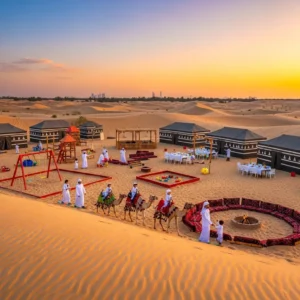
Once you arrive at the camp, Desert Safari Toddler Safety continues. The camps are bustling places with fire shows, camels, and many people moving around.
Keep your child close during the shows. Desert Safari Toddler Safety at the camp involves staying clear of the fire dancers and ensuring the child doesn’t wander off into the dark dunes.
Food safety is also part of Desert Safari Toddler Safety. Choose plain rice or grilled chicken for your toddler, avoiding overly spicy items that might upset their stomach.
For more information on premium camp facilities, you might want to look at https://royaldesertadventures.ae/ as they offer spacious areas suitable for families with small children.
Interacting with Desert Animals
Camels are a big draw for kids. However, Desert Safari Toddler Safety dictates that a toddler should never be left alone near a camel, as these animals can be unpredictable.
If you choose a camel ride, hold your toddler tightly. Desert Safari Toddler Safety means being the primary support for your child while the camel stands up or sits down.
Falconry is another popular activity. To maintain Desert Safari Toddler Safety, keep a respectful distance from the birds of prey, as their sharp talons and beaks can be intimidating.
Teaching your child to respect the animals is a great lesson. It also reinforces Desert Safari Toddler Safety by ensuring they don’t make sudden movements that could scare the creatures.
First Aid and Emergency Readiness
No parent wants to think about emergencies, but Desert Safari Toddler Safety requires a plan. Ensure your tour guide has a basic first aid kit on board the vehicle.
Know the location of the nearest medical facility. While most camps are safe, part of Desert Safari Toddler Safety is knowing exactly how to get help if a child falls or gets a high fever.
Carry your own small medical kit. This addition to Desert Safari Toddler Safety should include antiseptic wipes, bandages, and any specific medications your toddler might need.
Communication is vital. Make sure your phone is charged. Desert Safari Toddler Safety depends on your ability to call for assistance or use GPS if you are on a self-drive excursion.
Entertainment and Engagement
Keeping a toddler entertained is a form of Desert Safari Toddler Safety. A bored toddler is more likely to engage in risky behavior or wander off where they shouldn’t.
Bring sand toys. Simple buckets and spades can keep a child occupied for hours in a safe spot, which is a great way to manage Desert Safari Toddler Safety at the camp.
Watch the sunset together. This is a calm activity that promotes Desert Safari Toddler Safety by keeping the family grouped together in one place as the day turns to night.
Use the opportunity to teach them about nature. This engagement makes Desert Safari Toddler Safety a learning experience, focusing their attention on the beauty of the desert flora and fauna.
Nighttime Safety in the Sand
If you stay for the evening, Desert Safari Toddler Safety changes as the lights go down. The desert becomes very dark very quickly once the sun disappears.
Use a small flashlight. This helps with Desert Safari Toddler Safety when walking to the restrooms or moving between the different stalls and seating areas in the camp.
The temperature drops at night. Desert Safari Toddler Safety means having a light jacket or blanket ready to protect your child from the sudden chill of the desert night air.
Check the seating area for insects. While rare, Desert Safari Toddler Safety involves a quick scan of the rugs and cushions to ensure no desert critters have crawled into the seating space.
Why Safety Training Matters for Guides
A guide who understands Desert Safari Toddler Safety is worth their weight in gold. They will know the smoothest paths and the best spots for child-friendly photos.
Ask about their certifications. A company that invests in Desert Safari Toddler Safety training for its staff is more likely to provide a high-quality, secure experience for your family.
The way a guide interacts with your child tells you a lot about their approach to Desert Safari Toddler Safety. They should be patient, observant, and always willing to slow down.
Don’t be afraid to speak up. If you feel the driving is too fast, advocating for Desert Safari Toddler Safety is your right and responsibility as a parent during the tour.
Avoiding Common Mistakes
One common mistake is forgetting that the desert is an outdoor environment. Desert Safari Toddler Safety can be compromised if you expect city-level comforts everywhere you go.
Another mistake is over-scheduling. To maintain Desert Safari Toddler Safety, keep the itinerary simple so your toddler doesn’t get overtired and cranky, leading to potential safety issues.
Don’t skip the car seat. Even for short distances in the sand, Desert Safari Toddler Safety requires proper restraint to prevent injury during any unexpected bumps.
Lastly, don’t ignore the weather reports. If a sandstorm is predicted, Desert Safari Toddler Safety dictates that you should reschedule your trip for a clearer, safer day.
Practical Tips for the Journey
-
Bring a portable changing mat.
-
Keep wet wipes in a cool bag.
-
Use a backpack carrier instead of a stroller.
-
Check the car seat installation twice.
-
Keep the driver’s number on speed dial.
Long-Term Benefits of a Safe Trip
When you prioritize Desert Safari Toddler Safety, the trip becomes a building block for your child’s confidence. They learn to explore new environments with a sense of security.
The desert offers a sensory experience like no other. By ensuring Desert Safari Toddler Safety, you allow your child to touch, see, and feel the world in a way that is both safe and stimulating.
Family bonds are strengthened during these adventures. The shared focus on Desert Safari Toddler Safety creates a team environment where everyone looks out for one another.
A safe trip means you will want to return. By following the best practices for Desert Safari Toddler Safety, you open the door to many more years of desert exploration as your child grows.
Exploring Alternative Desert Activities
If dune bashing feels too risky, Desert Safari Toddler Safety can be found in other activities like a visit to a desert conservation reserve. These are often much calmer.
Nature walks are a great alternative. They allow for a high level of Desert Safari Toddler Safety while still letting the child see the tracks of desert animals and unique plants.
Star gazing is another low-risk activity. It supports Desert Safari Toddler Safety by being a stationary, calm experience that captures the imagination of children and adults alike.
Always look for educational tours. These often have a higher focus on Desert Safari Toddler Safety because they are designed with families and school groups in mind.
The Importance of Proper Footwear
Sand can be surprisingly tricky to walk on. For Desert Safari Toddler Safety, choose closed-toe shoes that stay firmly on the child’s feet to prevent tripping or slipping.
Avoid flip-flops for the actual desert exploration. They offer no support and don’t help with Desert Safari Toddler Safety when climbing up or down small dunes.
Socks can help keep the sand out. This small detail in Desert Safari Toddler Safety prevents irritation and keeps the child’s feet comfortable throughout the long day.
Check the shoes periodically. Part of Desert Safari Toddler Safety is making sure no sharp stones or hot sand have entered the footwear, causing discomfort or minor burns.
Food and Snacks for the Road
Toddlers get “hangry” easily. To maintain Desert Safari Toddler Safety and a peaceful atmosphere, pack a variety of healthy, non-perishable snacks for the car ride.
Avoid sugary drinks. These can lead to energy crashes, making Desert Safari Toddler Safety harder to manage if the child becomes inconsolable or overly hyperactive.
Fruit pouches are excellent. They are easy to consume, provide hydration, and fit perfectly into the Desert Safari Toddler Safety strategy of having quick, clean energy sources.
Always carry a small trash bag. Keeping the vehicle and camp clean is a subtle part of Desert Safari Toddler Safety, ensuring no one slips on a discarded wrapper or piece of fruit.
Sunscreen Application Strategy
Applying sunscreen once is not enough. For effective Desert Safari Toddler Safety, you must reapply every two hours, especially if the child is sweating or playing in the sand.
Don’t forget the ears and the back of the neck. These are often missed spots that can compromise Desert Safari Toddler Safety by leading to painful sunburns.
Use a stick applicator for the face. This makes Desert Safari Toddler Safety easier to manage as it prevents the lotion from getting into the toddler’s eyes and causing stinging.
Start the application before you leave the hotel. This ensures the first layer is fully absorbed, providing a solid foundation for Desert Safari Toddler Safety from the moment you arrive.
Planning for Nap Time
A tired toddler is a safety risk. Incorporating a nap into your Desert Safari Toddler Safety plan ensures the child is rested and more compliant during the activities.
If the car is moving, they might fall asleep. This is fine, but Desert Safari Toddler Safety requires you to ensure their head is properly supported in the car seat.
Bring a familiar blanket or pillow. This can help the child sleep in the car or at the camp, which is a major win for Desert Safari Toddler Safety and general mood management.
Don’t force them to stay awake for the late-night shows. If they are tired, Desert Safari Toddler Safety means heading back early or finding a quiet spot for them to rest comfortably.
Handling Sand in the Eyes
It is almost certain that some sand will get near the face. Desert Safari Toddler Safety includes knowing how to handle sand in the eyes without causing a panic.
Carry saline drops. These are essential for Desert Safari Toddler Safety, as they can gently flush out sand particles without the need for rubbing, which can scratch the cornea.
Sunglasses are a great preventative measure. If your toddler will wear them, they provide an extra layer of Desert Safari Toddler Safety against both UV rays and blowing dust.
Teach them not to rub their eyes. This simple instruction is a key part of Desert Safari Toddler Safety, though it requires constant reminders from the parents.
Final Thoughts on Desert Safety
The desert is a majestic place that deserves to be seen. By putting Desert Safari Toddler Safety at the forefront of your plans, you ensure the experience is positive for everyone.
Every child is different. What works for one might not work for another, so Desert Safari Toddler Safety is about being flexible and responsive to your child’s specific needs.
Trust your instincts. If a situation feels unsafe, it probably is. Your role in Desert Safari Toddler Safety is to be the final decision-maker for your child’s well-being.
Enjoy the beauty of the dunes. With Desert Safari Toddler Safety handled, you can relax and take in the incredible landscape of the United Arab Emirates with your family.
Frequently Asked Questions
Is dune bashing safe for a 2-year-old?
Generally, intense dune bashing is not recommended for toddlers. To ensure Desert Safari Toddler Safety, most experts suggest a “soft drive” or skipping the dunes entirely in favor of a direct route to the camp. The jerky motions can be stressful for a young child’s developing body.
What is the best time of year for a safari with a toddler?
The best time for Desert Safari Toddler Safety is between November and March. During these months, the temperatures are much milder, reducing the risk of heatstroke and making the outdoor environment much more pleasant for small children.
Should I bring my own car seat?
While many companies provide them, bringing your own ensures Desert Safari Toddler Safety because you know how to install it correctly and you know it meets your specific safety standards. Always confirm with the operator beforehand if your seat is compatible.
What should a toddler wear to the desert?
For maximum Desert Safari Toddler Safety, dress them in light-colored, breathable cotton clothes. Long sleeves and pants protect against both the sun and sand. A hat with a wide brim is also essential for protecting the face and neck.
Are there medical facilities at the desert camps?
Most large camps have basic first aid kits and staff trained in minor injuries. However, for true Desert Safari Toddler Safety, you should be aware that full medical facilities are usually a 30 to 45-minute drive away back toward the city.
Can toddlers ride camels?
Yes, but they must be accompanied by an adult at all times. Desert Safari Toddler Safety dictates that the adult should hold the child securely, as camels can make sudden movements when standing up or kneeling down.
How do I keep my toddler hydrated in the heat?
The best approach for Desert Safari Toddler Safety is to offer small sips of water or diluted fruit juice every few minutes. Don’t wait for them to say they are thirsty, as toddlers often don’t recognize the early signs of dehydration.
What kind of food is available for kids at the camp?
Most camps offer a buffet with bread, rice, grilled chicken, and fruit. These are generally safe for toddlers. To maintain Desert Safari Toddler Safety, avoid giving them spicy sauces or uncooked vegetables if you are concerned about stomach sensitivity.
What if my child gets sand in their eyes?
Do not let them rub their eyes. Part of Desert Safari Toddler Safety is using clean water or saline drops to gently wash the sand out. If the irritation persists, seek medical advice once you return to the city.
Is a morning safari better than an evening one for kids?
Morning safaris are often shorter and cooler, which can be better for Desert Safari Toddler Safety. However, evening safaris offer the chance to see the sunset and shows. Choose based on your child’s usual nap schedule and energy levels.
How can I prevent motion sickness in the desert?
To support Desert Safari Toddler Safety, ask the driver to maintain a steady pace. Keep the car well-ventilated and avoid giving the child a heavy meal right before the drive. Ginger biscuits can also help soothe a nervous stomach.
Are there restrooms suitable for toddlers at the camp?
Most modern desert camps have permanent restroom facilities. While they are basic, they are generally clean enough for a toddler. For Desert Safari Toddler Safety, always accompany your child and bring your own sanitizing wipes.
Can I take a stroller to the desert?
Standard strollers do not work well in deep sand. For better Desert Safari Toddler Safety and ease of movement, use a baby carrier or a stroller with large, off-road wheels. Most parents find it easier to carry the child or let them walk in the camp.
Is there a risk of wild animals?
The camps are located in areas where dangerous wildlife is very rare. However, for Desert Safari Toddler Safety, it is wise to keep an eye on the ground for small insects and to ensure the child does not wander far into the unlit dunes at night.
What should I do if a sandstorm starts?
If the wind picks up significantly, prioritize Desert Safari Toddler Safety by moving inside the vehicle or a covered tent. Cover the child’s nose and mouth with a light cloth to prevent them from inhaling dust.
Are the evening shows too loud for toddlers?
Some shows use loud music and fire. If your child is sensitive to noise, Desert Safari Toddler Safety involves sitting further back from the speakers. This allows them to enjoy the visual spectacle without being overwhelmed by the volume.
Can I bring my own food for the toddler?
Yes, and it is often recommended. Bringing familiar snacks is a great way to ensure Desert Safari Toddler Safety regarding nutrition and to avoid any potential allergic reactions to the buffet food.
How long does a typical desert safari last?
A standard evening safari lasts about 6 hours. For Desert Safari Toddler Safety, consider if your child can handle that much time away from home. Some companies offer shorter, 3-hour tours that might be more appropriate.
Do I need a special insurance for the desert?
Most standard travel insurance policies cover desert safaris. However, checking your policy for “adventure activities” is a good step in Desert Safari Toddler Safety to ensure you are covered in the unlikely event of an accident.
What is the most important tip for a desert trip with a toddler?
The most important factor in Desert Safari Toddler Safety is flexibility. Be prepared to change your plans, skip an activity, or even head back early if your child is not coping well with the environment. Their comfort is the key to a safe trip.
Desert Safari Toddler Safety is a manageable goal with the right preparation. By choosing the right tour, packing the essentials, and keeping a close eye on your little one, you can enjoy one of Dubai’s most iconic experiences safely.
Remember that Desert Safari Toddler Safety starts the moment you leave your hotel. Stay hydrated, stay cool, and keep your camera ready for those precious moments in the sand.
The vastness of the desert is a wonderful place for a child to learn about nature. With Desert Safari Toddler Safety as your guide, you are ready for an amazing family adventure.
For those looking for the most reliable services, always check https://htdesertsafari.com/ for updated safety protocols. Your family deserves the best care while exploring.
In conclusion, Desert Safari Toddler Safety is about being proactive rather than reactive. Plan well, and the desert will provide a beautiful backdrop for your family’s story.
Would you like me to create a detailed packing checklist specifically for a toddler’s first desert trip?