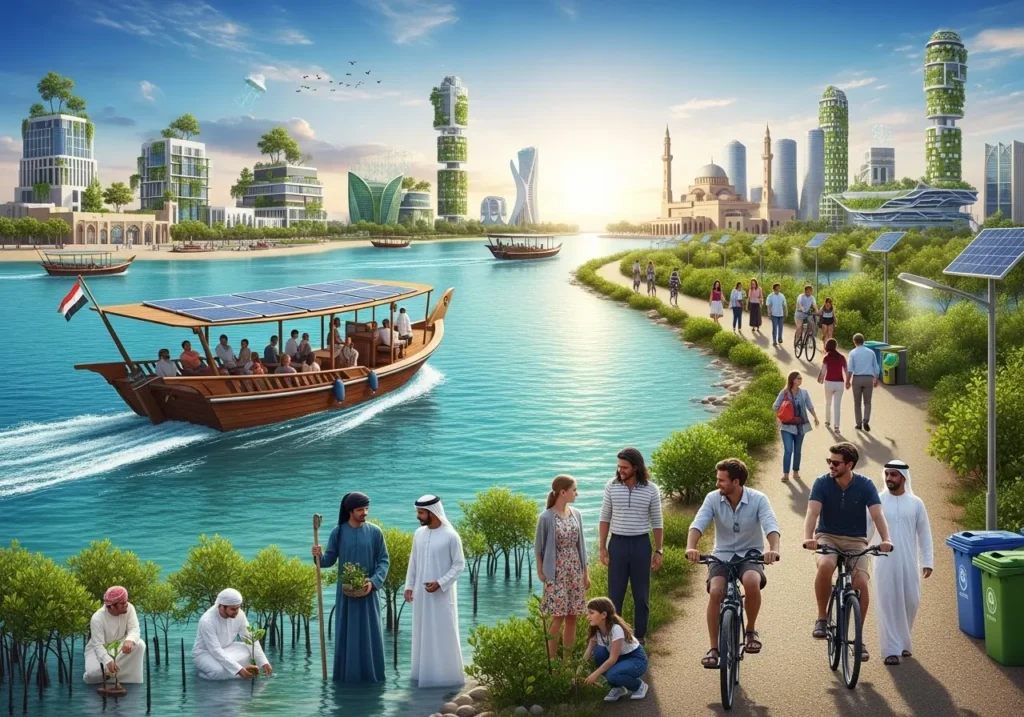
The Ultimate Guide to Sustainable Tourism in Sharjah: A Journey with Purpose
In an age of conscious travel, where a journey is measured not just in miles but in meaning, one emirate is quietly and powerfully setting a new global standard. This is your ultimate guide to Sustainable Tourism in Sharjah, a deep dive into a destination that masterfully blends breathtaking natural beauty, rich cultural heritage, and a profound commitment to preserving both for future generations.
This in-depth exploration will take you on a tour of the UAE’s cultural capital, but we will look beyond the museums and into the very soul of its visionary approach to tourism. This is a comprehensive look at Sustainable Tourism in Sharjah, designed to help you plan the perfect, enriching, and responsible adventure for 2025.
We will explore the pristine mangrove forests of Kalba, discover the ancient history of the Mleiha desert, and wander through the beautifully restored alleyways of the Heart of Sharjah. We will delve into the incredible eco-luxury retreats that are redefining hospitality and uncover the vital conservation projects that are protecting the region’s precious biodiversity.
Prepare to be captivated by a travel experience that is as restorative as it is remarkable. This guide will provide you with all the knowledge you need, proving that Sustainable Tourism in Sharjah is not just a niche concept, but a vibrant and unforgettable reality.
The Vision: Sharjah’s Unwavering Commitment to a Greener Future
The rise of Sustainable Tourism in Sharjah is not an accident; it is the result of a deliberate, long-term, and visionary strategy led by the emirate’s leadership and its dedicated government bodies.
The Role of Shurooq and the EPAA
The Sharjah Investment and Development Authority (Shurooq) and the Environment and Protected Areas Authority (EPAA) are the two key organizations driving this green vision. Their mandate is to develop the emirate’s tourism sector in a way that is both economically prosperous and environmentally and culturally responsible.
They have pioneered a new model of development, one that seeks to highlight and protect Sharjah’s unique natural assets—its diverse landscapes of coast, desert, and mountains—and its deep, authentic cultural heritage.
The Three Pillars of Sustainability
The entire strategy for Sustainable Tourism in Sharjah is built on the three internationally recognized pillars of sustainability.
- Environmental Sustainability: Protecting and preserving the natural landscapes, wildlife, and ecosystems.
- Cultural Sustainability: Preserving and celebrating the local heritage, traditions, and history.
- Economic Sustainability: Ensuring that tourism brings tangible benefits to the local communities and provides long-term, stable employment.
Pillar 1: Environmental Conservation in Action
The most visible and breathtaking examples of Sustainable Tourism in Sharjah are the incredible eco-tourism destinations that are dedicated to environmental conservation.
The Kalba Mangrove Reserve: A Coastal Sanctuary
Located on Sharjah’s stunning East Coast, the Al Qurm Nature Reserve in Kalba is a true ecological treasure.
- The Importance of Mangroves: This reserve is home to one of the oldest and most important mangrove forests in the entire region. Mangrove forests are a vital ecosystem; they act as a natural barrier against coastal erosion, serve as a crucial nursery for a huge variety of fish and marine life, and are incredibly effective at capturing and storing carbon.
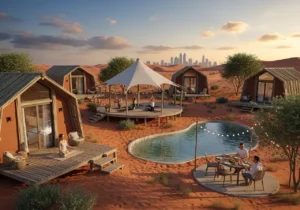
- The Kingfisher Retreat: The perfect example of sustainable accommodation is the magnificent Kingfisher Retreat. This eco-lodge, part of the Sharjah Collection by Mysk, consists of luxurious tented villas built on raised platforms to minimize their impact on the fragile coastal environment. It operates on strict sustainable principles and provides a luxurious base from which to explore the reserve.
- Low-Impact Activities: The activities here are designed to be in harmony with nature. You can take a guided kayaking tour through the serene mangrove forest or go bird watching to spot the rare White-collared Kingfisher.
The Wasit Wetland Centre: A Haven for Migratory Birds
The Wasit Wetland Centre is another jewel in the crown of Sustainable Tourism in Sharjah.
- A Ramsar Site: This vast wetland of salt flats and freshwater pools is so ecologically important that it has been designated as a Ramsar Site of International Importance.
- A Birder’s Paradise: It is a vital stopover for over 60 species of migratory birds on the East African-West Asian Flyway. The visitor center is a state-of-the-art facility with long, air-conditioned viewing galleries that allow you to observe the thousands of birds without disturbing them.
The Mleiha Archaeological Centre: Protecting the Desert Landscape
Mleiha is an incredible destination that masterfully blends eco-tourism with archaeological and historical preservation.
- A UNESCO World Heritage Site Nominee: The region is home to a wealth of significant archaeological sites, including Bronze Age tombs and ancient forts.
- An Eco-Friendly Approach: The Mleiha Archaeological Centre is a beautifully designed, sustainable building. The tours through the desert are conducted with a deep respect for the natural landscape, focusing on education and the preservation of this unique environment.
Pillar 2: The Preservation of Cultural Heritage
The commitment to Sustainable Tourism in Sharjah extends beyond the natural world to the careful and loving preservation of its rich cultural heritage.
The Heart of Sharjah: A Living, Breathing Museum
The Heart of Sharjah is one of the largest and most ambitious heritage restoration projects in the entire region. It is not about building a replica of the past; it is about meticulously restoring the original old town of Sharjah.
- The Restoration Project: Dozens of traditional, coral-stone houses have been carefully restored using authentic materials and techniques.
- A Hub of Culture: These restored buildings are now home to a variety of museums, art galleries, and traditional souqs, creating a vibrant and authentic cultural district. A walk through its narrow, shaded alleyways is a journey back in time.
Mysk Al Faya Retreat: A Model of Adaptive Reuse
A stunning example of cultural sustainability is the Mysk Al Faya Retreat, located in the Mleiha region.
- From Clinic to Luxury Hotel: This exclusive, five-room boutique hotel is a masterful and minimalist conversion of two stone buildings from the 1960s, which were once a clinic and a grocery store.
- Celebrating Local History: Instead of demolishing these humble but historic buildings, the project has celebrated them, preserving their original structure and character while infusing them with modern luxury. This “adaptive reuse” is a core principle of sustainable development and a highlight of Sustainable Tourism in Sharjah.
Pillar 3: Supporting and Empowering the Local Economy
The final pillar of Sustainable Tourism in Sharjah is the commitment to ensuring that tourism brings real and lasting benefits to the local community.
The Role of the Sharjah Collection by Mysk
The development of the Sharjah Collection retreats—Kingfisher, Al Badayer, and Al Faya—is a perfect example of this. By creating world-class tourist destinations in more remote, rural areas of the emirate, this initiative has created a huge number of high-quality jobs and economic opportunities for the local communities in these regions.
Promoting Local Artisans and Entrepreneurs
The focus on heritage and culture also provides a vital platform for local artisans. The souqs in the Heart of Sharjah and the various cultural festivals that the emirate hosts throughout the year provide a space for local craftspeople, chefs, and artists to showcase their skills and to earn a sustainable livelihood from their traditional crafts.
Integrating Your Sustainable Journey with a Dubai Adventure
A journey to experience the world of Sustainable Tourism in Sharjah is a perfect way to discover a more authentic, natural, and serene side of the UAE. To create a truly unforgettable and well-rounded vacation, you can complement this peaceful and enriching escape with the vibrant energy of Dubai and a classic desert adventure.
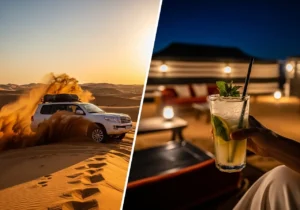
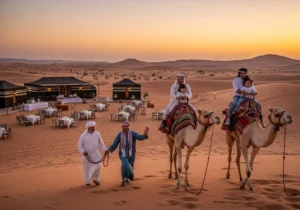
Imagine following up a weekend of mindful kayaking and desert stargazing with a spectacular and thrilling evening desert safari in the famous Dubai desert. For a premium adventure, you can book an experience with a company like https://royaldesertadventures.ae/, where you can enjoy exhilarating 4×4 dune bashing as the sun sets over the golden sands, a peaceful camel ride, and a delicious barbecue dinner at a traditional Bedouin-style camp under a canopy of stars.
To craft a complete and seamless itinerary, it is wise to work with experienced local tour operators. Reputable companies such as https://dubaidesertsafarie.com/ offer a comprehensive range of desert adventures. For planning diverse excursions across the UAE, https://hafiztourism.com/ is another excellent and trusted partner that can help you organize your perfect trip.
Frequently Asked Questions (FAQs)
- What does “sustainable tourism” actually mean? Sustainable Tourism in Sharjah is a holistic approach to travel. It is about visiting a place in a way that is respectful of and beneficial to the local environment, culture, and economy. It means choosing experiences that have a low environmental impact, that support the preservation of local heritage, and that contribute positively to the livelihoods of the local community.
- Is Sharjah the only emirate in the UAE that focuses on eco-tourism? While all the emirates are increasingly focused on sustainability, Sharjah has made it a central pillar of its identity and tourism strategy for many years. It is widely recognized as the “Cultural Capital of the Arab World” and has a particularly strong and long-standing commitment to preserving its natural and historical assets, making it a leading destination for Sustainable Tourism in Sharjah.
- What is the “Sharjah Collection by Mysk”? The “Sharjah Collection” is a curated portfolio of unique, boutique, and eco-conscious hotels and lodges managed by the luxury brand Mysk. These retreats, which include Kingfisher, Al Faya, and Al Badayer, are located in areas of outstanding natural beauty or heritage and are the flagship projects of Sharjah’s sustainable tourism vision.
- What is a “Ramsar Site” like the Wasit Wetland Centre? A Ramsar Site is a wetland that has been designated as being of international importance under an environmental treaty called the Ramsar Convention. This prestigious designation recognizes the Wasit Wetland Centre as a crucial habitat for migratory water birds and highlights its vital role in conserving global biodiversity.
- What is “adaptive reuse” and how does the Mysk Al Faya Retreat exemplify it? Adaptive reuse is a core principle of sustainable architecture. It is the process of reusing an existing, often old, building for a purpose other than which it was originally designed for, thereby preserving its historical and cultural value. The Mysk Al Faya Retreat is a perfect example, as it has transformed a humble 1960s clinic and grocery store into a world-class, five-star wellness retreat.
- How do these eco-retreats protect the local wildlife? They do so in several ways. They are built with a minimal physical footprint to avoid disrupting the natural habitat. They operate on strict sustainable principles to prevent pollution. Most importantly, they act as guardians of the surrounding protected areas and play a key role in educating their guests about the importance of respecting and preserving the local wildlife.
- Are these eco-friendly retreats very basic, or are they luxurious? This is a key part of the appeal of Sustainable Tourism in Sharjah. These are not basic eco-lodges; they are the pinnacle of five-star, eco-luxury. They offer opulent accommodations (like private-pool tented villas), gourmet dining, and world-class amenities, all while adhering to the highest standards of sustainability.
- What is the best time of year to enjoy these natural retreats? The best time is during the UAE’s beautiful winter season, which runs from late October to April. The weather during these months is perfect for enjoying all the outdoor and nature-based activities that these retreats have to offer, such as kayaking, hiking, and desert exploration.
- Are these retreats suitable for families with children? Yes, some of them are fantastic for families. Mysk Al Badayer Retreat, with its focus on desert adventures, is a particularly great choice for a family. Kingfisher Retreat, with its unique tented villas and nature activities, is also a wonderful experience for older children.
- How does choosing a sustainable tour help the local community? Choosing a sustainable tour helps in several ways. It provides direct, high-quality employment to local people in more rural areas of the emirate. These retreats also often prioritize sourcing their supplies from local producers and work to support local artisans, ensuring that the economic benefits of tourism are spread throughout the community.
- What is the “Heart of Sharjah” project? The Heart of Sharjah is one of the most ambitious and important cultural heritage projects in the region. It is a massive, multi-year project to restore the entire old town of Sharjah to its 1950s condition. It is a cornerstone of the emirate’s commitment to preserving its cultural identity and is a must-visit destination for anyone interested in Sustainable Tourism in Sharjah.
- What kind of activities can I expect at an eco-retreat like Kingfisher? The activities are all focused on a mindful and respectful connection with nature. This includes guided kayaking tours through the serene mangrove forest, bird watching to spot the rare local and migratory species, fat-biking on the pristine beach, and relaxing wellness activities like beach yoga.
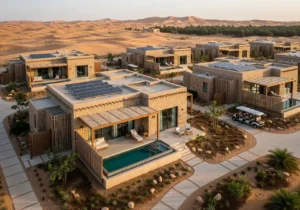
- Is “glamping” the same as camping? “Glamping” is a portmanteau of “glamorous camping.” It is a very different experience from traditional camping. At a glamping retreat like Kingfisher or Al Badayer, you stay in a massive, permanent tent that is, for all intents and purposes, a five-star hotel villa, complete with a real bed, a full en-suite bathroom, air conditioning, and even a private plunge pool.
- How does Sharjah’s approach to tourism differ from that of Dubai? While both emirates offer world-class experiences, Sharjah has carved out a unique identity as the cultural and artistic capital of the UAE. Its tourism strategy is less focused on massive, high-energy attractions and more on preserving its authentic heritage, celebrating the arts, and promoting a more thoughtful and sustainable form of travel.
- What is the single most important thing I can do as a tourist to be more sustainable? The single most important thing you can do is to make conscious choices. Choose to stay at a certified eco-friendly hotel, book your tours with an operator that has a clear and transparent sustainability policy, be respectful of the local culture and environment, and support local artisans and businesses. This is the essence of being a partner in Sustainable Tourism in Sharjah.
A Journey That Matters
This guide to Sustainable Tourism in Sharjah reveals an emirate that is a true global leader in responsible and meaningful travel. It is a destination that proves that a world-class tourism experience can and should be one that protects, preserves, and celebrates the natural and cultural treasures that make a place so special.
A visit here is more than just a vacation; it is an invitation to be a part of a positive and inspiring story. It is a chance to disconnect from the noise of the world and reconnect with the profound beauty of nature and the rich, authentic soul of Arabia, leaving a positive impact long after you have returned home.