Old Dubai Heritage Tour: 9 Powerful Experiences to Discover the Citys Soul
An Old Dubai heritage tour offers a journey back in time, a world away from the gleaming skyscrapers and futuristic marvels that dominate the city’s famous skyline. While the Burj Khalifa and The Dubai Mall showcase the city’s ambition, its true soul resides in the winding alleyways, bustling souks, and the historic waters of the Dubai Creek. This is where the story of Dubai began, and exploring it is essential for any visitor seeking an authentic experience.
Venturing into this historic heart of the city reveals a rich tapestry of culture, commerce, and tradition. It’s a sensory experience filled with the scent of exotic spices, the glimmer of gold, and the echoes of merchants’ calls. A well-planned Old Dubai heritage tour is more than just a sightseeing trip; it’s an immersive dive into the emirate’s fascinating past, providing context and depth to its incredible modern-day transformation.
Discovering the Authentic Heartbeat of Dubai
Many visitors are surprised to find such a well-preserved historical district in this ultramodern metropolis. An Old Dubai heritage tour is the key to unlocking this hidden gem, offering a narrative that connects the dots from a humble pearling village to the global hub it is today.
Beyond the Skyscrapers: A Glimpse into the Past
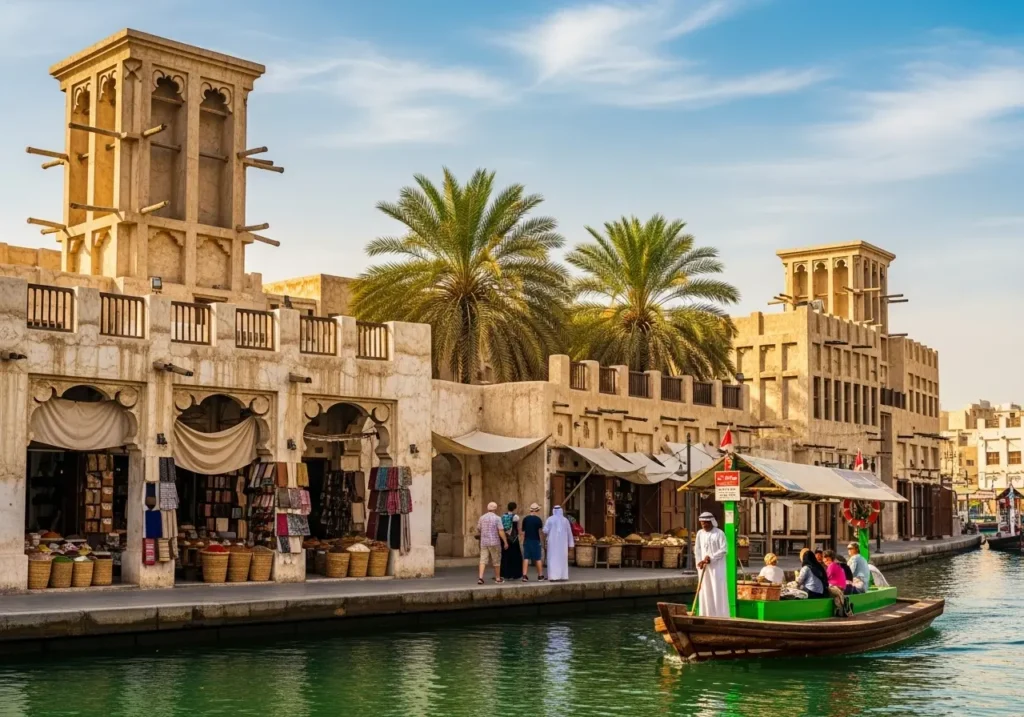
This part of the city tells a story of resilience and vision. You’ll see the traditional courtyard houses with their ingenious wind towers, designed for natural air conditioning. You’ll witness the dhows on the creek, which still ply the ancient trade routes. It’s a living museum that offers a stark, beautiful contrast to the city’s modern persona.
The Advantage of a Guided Experience
While you can explore Old Dubai on your own, a guided Old Dubai heritage tour brings the silent streets and artifacts to life. An expert guide can share stories, explain the cultural nuances, and navigate the maze-like souks with ease, ensuring you don’t miss the most significant highlights and hidden corners.
What to Expect from Your Old Dubai Heritage Tour
A comprehensive tour will typically guide you through several key districts, each with its unique character. You can expect to wander through the Al Fahidi Historical Neighbourhood, cross the iconic Dubai Creek on a traditional boat, and immerse yourself in the vibrant chaos of the Deira souks.
Journey Through the Key Areas of Old Dubai
The magic of an Old Dubai heritage tour lies in its distinct neighborhoods, which are best explored on foot. Each district offers a different chapter of Dubai’s story, from its architectural ingenuity to its commercial roots.
Al Fahidi Historical Neighbourhood (Al Bastakiya)
This is often the starting point for any Old Dubai heritage tour. Formerly known as Al Bastakiya, this beautifully restored area is characterized by its narrow, shaded alleyways and traditional buildings made from coral, gypsum, and palm wood.
The most striking architectural features are the barjeel, or wind towers, that rise from the rooftops of the courtyard houses. These towers were a primitive but effective form of air conditioning, funneling breezes down into the living quarters below.
Today, Al Fahidi is a vibrant cultural hub. Many of the old houses have been converted into art galleries, charming cafes, and boutique hotels. It’s a peaceful enclave where you can wander for hours, discovering artistic treasures and enjoying a quiet cup of Arabic coffee. A visit here is a cornerstone of any authentic Old Dubai heritage tour.
The Dubai Creek: The City’s Lifeline
The Dubai Creek is not just a waterway; it is the historical artery of the city. This natural saltwater inlet was the center of Dubai’s pearling and fishing industries, the very foundation of its economy for centuries.
No Old Dubai heritage tour is complete without crossing the Creek on an abra, a traditional wooden water taxi. This short, one-dirham journey from Bur Dubai to Deira is one of the most authentic and memorable experiences you can have in the city.
As you glide across the water, you’ll see modern buildings juxtaposed with old trading dhows being loaded with goods destined for ports across the region. The view from the abra provides a unique perspective on the city’s blend of old and new.
The Vibrant Souks of Deira
Once you cross the Creek to the Deira side, you are plunged into the exhilarating world of Dubai’s traditional markets, or souks. This is the commercial heart of Old Dubai, a bustling network of covered alleyways overflowing with goods.
The Deira Gold Souk is world-famous. Its windows are crammed with an almost blinding amount of gold jewelry, from delicate chains to elaborate wedding necklaces. Even if you have no intention of buying, window shopping here is a dazzling experience and a highlight of any Old Dubai heritage tour.
Just a short walk away is the Spice Souk, a sensory delight. Piles of aromatic spices, herbs, dried fruits, and nuts create a fragrant and colorful spectacle. Vendors will encourage you to taste their wares, from saffron and vanilla to candied lemons and dates.
Nearby, the Perfume Souk offers everything from traditional oud and bakhoor (incense) to custom-blended essential oils. The rich scents and intricate bottles make for a captivating visit.
Bur Dubai Souk and Shindagha
On the Bur Dubai side of the Creek lies the Textile Souk. Here, you can find a rainbow of fabrics, including fine silks, embroidered materials, and soft cottons. It’s the perfect place to buy pashminas or have a traditional garment tailored.
Further along the Creek is the Al Shindagha district, one of the oldest parts of Dubai. This area is home to the official residence of the former ruler of Dubai, Sheikh Saeed Al Maktoum. The district is undergoing extensive restoration to preserve its historic character as part of a comprehensive Old Dubai heritage tour experience.
Unlocking History: Must-Visit Museums and Sites
To truly understand the city’s transformation, an Old Dubai heritage tour must include visits to its excellent museums. These institutions house the stories and artifacts that form the bedrock of Emirati culture and history.
The Dubai Museum & Al Fahidi Fort
Housed within the Al Fahidi Fort, the Dubai Museum is an essential stop. The fort itself, built in 1787, is believed to be the oldest existing building in Dubai. It served as a monarch’s residence, a fortified weapon arsenal, and a prison.
Inside, the museum brilliantly showcases the emirate’s history. Life-sized dioramas depict scenes from desert life, traditional homes, and the bustling souks of the past. The exhibits on the pearling industry are particularly fascinating, providing insight into the challenging trade that once sustained the region. An Old Dubai heritage tour feels incomplete without understanding this history.
Al Shindagha Museum: A Modern Take on History
Located in the historic Shindagha district, this museum offers a state-of-the-art experience. Its most captivating exhibit is “The Story of the Creek,” which details the waterway’s pivotal role in the city’s development.
The museum complex also includes the Perfume House, which delves into the art of traditional Emirati perfume-making. The interactive displays and multimedia presentations make it an engaging visit for all ages, adding a modern touch to your Old Dubai heritage tour.
Sheikh Mohammed Centre for Cultural Understanding (SMCCU)
Situated in a beautifully restored wind-tower house in Al Fahidi, the SMCCU is a unique cultural institution. Operating under the motto “Open Doors, Open Minds,” it offers visitors a chance to engage directly with Emirati culture.
You can participate in a traditional Emirati breakfast or lunch, where you are encouraged to ask your local hosts any questions you have about their culture, traditions, and religion. This open dialogue is an incredibly valuable and enlightening experience. Many organized Old Dubai heritage tour packages include a session here.
The Coffee Museum
Also located in the Al Fahidi neighborhood, the Coffee Museum is a delightful and aromatic stop. This small but fascinating museum celebrates the history and significance of coffee in various cultures, with a special focus on Middle Eastern traditions. You can see antique brewing pots, roasting demonstrations, and, of course, sample different styles of coffee.
Saruq Al-Hadid Archaeology Museum
This museum, located in the Shindagha district, was established by Sheikh Mohammed bin Rashid Al Maktoum. It showcases artifacts from the Saruq Al-Hadid archaeological site, which was discovered in the desert. The museum displays beautifully preserved iron tools, pottery, and gold jewelry, revealing a sophisticated trading culture that existed in the region thousands of years ago.
How to Select the Best Old Dubai Heritage Tour for You
With a variety of tour options available, choosing the right one depends on your interests, budget, and travel style. Making the right choice is key to a rewarding Old Dubai heritage tour.
Types of Tours Available
Walking tours are the most popular way to explore the compact and pedestrian-friendly areas of Old Dubai. They are immersive and allow you to appreciate the fine details of the architecture and the atmosphere of the souks.
For those with limited mobility or time, a private car tour can cover the main sights efficiently. These often combine Old Dubai with some modern attractions. Group tours are a budget-friendly option, while a private Old Dubai heritage tour offers a more personalized and flexible experience.
What to Look for in a Tour Operator
A knowledgeable guide is the most critical element. Look for operators who employ licensed guides with a passion for storytelling. Check what’s included in the price—are museum tickets, an abra ride, and bottled water covered? Reading recent reviews from other travelers can provide valuable insight. For well-structured tours you can look into options from experienced companies; for more info, you can check https://www.hafiztourism.com/.
Combining Your Tour with Other Experiences
An Old Dubai heritage tour typically takes half a day, leaving you time to explore other facets of the city. Many visitors pair their historical tour in the morning with an exhilarating desert safari in the afternoon. This creates a day of incredible contrasts, from the city’s historical roots to its stunning natural landscapes. You can find a range of desert experiences by checking out available packages online. For more details on desert adventures visit https://www.royaldesertadventures.ae/.
Comparison of Tour Styles
Essential Tips for an Amazing Day in Old Dubai
A little preparation will ensure your Old Dubai heritage tour is comfortable, enjoyable, and respectful of the local culture.
What to Wear: Respectful and Comfortable Attire
Wear lightweight, breathable clothing, as you will be doing a lot of walking. It is important to dress modestly out of respect for the local culture. Shoulders and knees should be covered. Comfortable walking shoes are an absolute must.
Best Time of Day to Explore
The best time to visit Old Dubai is from October to April when the weather is pleasant. During any season, the mornings are generally cooler and less crowded. Late afternoons and evenings are also beautiful, especially as the souks come alive with lights and the call to prayer echoes through the alleys.
Navigating and Getting Around
The Al Ghubaiba and Sharaf DG Metro stations on the Green Line are conveniently located for accessing Bur Dubai and the Creek. Taxis are plentiful, but walking is the best way to soak in the atmosphere once you are in the historic districts.
Haggling and Shopping in the Souks
Haggling is expected in the souks (except for gold, where the price of the gold itself is fixed, but you can negotiate the ‘making’ charge). It should be a friendly and polite exchange. Start by offering around half the asking price and work your way up to a price you are both happy with.
Staying Hydrated and Energized
The Dubai heat can be intense, even during the cooler months. Carry a bottle of water with you at all times. There are many small cafes and juice stands where you can rest and refuel with a fresh pomegranate or mango juice.
Your Gateway to the Real Dubai
An Old Dubai heritage tour is more than a historical lesson; it is a vital experience that provides a profound sense of place. It connects you to the city’s humble origins and allows you to appreciate the scale of its achievements even more. By walking its old streets and engaging with its traditions, you discover a side of Dubai that is rich, authentic, and deeply human.
This journey into the past will undoubtedly be a highlight of your trip, leaving you with a richer understanding of the emirate’s culture and heritage. For a comprehensive list of tour options that cover both the historical and modern facets of the city, you can explore offerings from major tour providers. For more details, check out https://www.dubaidesertsafarie.com/. Don’t just visit Dubai’s future; make sure you experience its heart.
Frequently Asked Questions (FAQs)
1. How long does a typical Old Dubai heritage tour last?
A typical guided Old Dubai heritage tour usually lasts between four to five hours. This duration is generally sufficient to cover the main highlights without feeling rushed. A half-day tour allows you to explore the Al Fahidi Historical Neighbourhood, take a scenic abra ride across the Dubai Creek, and spend ample time wandering through the Gold, Spice, and Textile Souks. Shorter tours of two to three hours are available but may only provide a brief overview, while more in-depth private tours can be extended to a full day to include more museum visits and a traditional lunch.
2. Is an Old Dubai heritage tour suitable for young children?
Yes, an Old Dubai heritage tour can be very engaging for children. The abra ride on the creek is often a huge hit with kids, as is the bustling atmosphere of the souks. The vibrant colors, interesting smells of the Spice Souk, and the sheer amount of gold in the Gold Souk can be captivating for them. However, the amount of walking required might be challenging for very young toddlers. It’s advisable to bring a stroller, which is manageable in most areas except for some of the most crowded parts of the souks. The interactive displays in museums like Al Shindagha also help keep them entertained.
3. What is the best way to get to the starting point of a tour in Old Dubai?
The Dubai Metro is one of the most efficient and cost-effective ways to reach Old Dubai. The Green Line has two convenient stations: Al Ghubaiba station for the Bur Dubai side (near the souk and Creek) and Al Ras station for the Deira side (near the Gold and Spice Souks). Taxis are another convenient option and are readily available throughout the city. If you book a private Old Dubai heritage tour, it will almost always include a hotel pick-up and drop-off service, which is the most hassle-free option.
4. Are photography and videography allowed in all heritage sites?
In most outdoor areas of Old Dubai, such as the Al Fahidi neighborhood, the Creek, and the souks, photography and videography for personal use are perfectly acceptable and encouraged. However, when taking pictures of people, especially local women, it is polite and respectful to ask for their permission first. Inside museums, the policy can vary. Some, like the Dubai Museum, may have restrictions on flash photography, while others might prohibit photography in certain galleries to protect the artifacts. Always look for signage or ask a staff member if you are unsure.
5. Do I need to carry local currency (AED) for the souks?
While most of the larger, more established shops in the Gold Souk will accept credit cards, it is highly recommended to carry cash (UAE Dirhams) for your Old Dubai heritage tour. Many smaller stalls in the Spice and Textile Souks, as well as food and drink vendors, operate on a cash-only basis. Cash is also essential for the one-dirham fare for the abra ride across the Creek. Having cash on hand will also give you better leverage when haggling for prices with vendors in the souks.
6. What kind of food can I expect to find in Old Dubai?
Old Dubai is a food lover’s paradise and a highlight of any culinary-focused Old Dubai heritage tour. You can find a vast array of authentic and affordable street food and traditional restaurants. Be sure to try a shawarma from a local vendor, sample some luqaimat (sweet fried dumplings), and enjoy a fresh fruit juice. The area is renowned for its excellent Indian, Pakistani, and Iranian cuisine. A meal at a creekside restaurant in the evening offers beautiful views alongside delicious local dishes like grilled fish and kebabs.
7. Are the souks in Old Dubai open on Fridays?
The souks are generally open on Fridays, but the operating hours are different. On Fridays, which is the holy day in the Islamic week, most shops in the souks will be closed in the morning to allow for Friday prayers. They typically open in the late afternoon, around 4:00 PM, and then stay open late into the evening. If you are planning your Old Dubai heritage tour for a Friday, it’s best to schedule your visit for the afternoon or evening to experience the souks when they are fully operational and bustling.
8. What is the significance of the wind towers in Al Fahidi?
The wind towers, known as ‘barjeel’ in Arabic, are a brilliant example of traditional architectural ingenuity and are a defining feature of the Al Fahidi Historical Neighbourhood. These towers were designed as a natural form of air conditioning long before electricity. They are built to catch the prevailing winds and funnel the cool air down into the living spaces of the house, pushing the hot, stale air out. Each tower is typically divided into four directional shafts to catch the wind from any direction, providing a cool and comfortable environment for residents during the hot summer months.
9. Can I take an abra ride without being on a guided tour?
Absolutely. The abra ride is part of Dubai’s public transport system and is accessible to everyone. You do not need to be part of an Old Dubai heritage tour to experience it. Simply head to one of the official abra stations in Bur Dubai or Deira. The main route shuttles people between the Bur Dubai Old Souk Abra Station and the Deira Old Souk Abra Station. The fare is just one dirham, which you pay directly to the driver as you board. It’s an incredibly authentic and affordable way to see the Creek.
10. Is the Dubai Museum currently open to the public?
The Dubai Museum, located in the Al Fahidi Fort, has been closed for extensive renovations for some time now. As of the latest updates, there has been no official reopening date announced. It is a key historical site, and its eventual reopening is highly anticipated. When planning your Old Dubai heritage tour, it is crucial to check the latest status online or with your tour provider. In its absence, the Al Shindagha Museum and the Sheikh Mohammed Centre for Cultural Understanding serve as excellent alternatives for delving into the city’s rich history.
11. What is the difference between the Deira Souks and the Bur Dubai Souk?
The primary difference lies in their specialization. The souks on the Deira side of the Creek are famous for specific commodities: the Gold Souk for gold, diamonds, and precious metals; the Spice Souk for all kinds of spices, herbs, and dried goods; and the Perfume Souk for fragrances and incense. On the other side of the Creek, the Bur Dubai Souk is most commonly referred to as the Textile Souk. It specializes in fabrics, readymade garments, pashminas, and slippers. An Old Dubai heritage tour typically includes visits to both sides to showcase this diversity.
12. Are there any specific cultural etiquettes I should be aware of during my tour?
Yes, observing local etiquette is important. Dress modestly, covering shoulders and knees. Public displays of affection are frowned upon. When entering a mosque or a traditional home, you may be required to remove your shoes. Always use your right hand when giving or receiving items, especially food. During the holy month of Ramadan, it is forbidden to eat, drink, or smoke in public during fasting hours. Being mindful of these customs will ensure a respectful and smooth Old Dubai heritage tour.
13. Can an Old Dubai heritage tour be customized?
Yes, many tour operators offer customizable or private tours. A private Old Dubai heritage tour is an excellent option if you have specific interests. For example, if you are a passionate foodie, you can arrange a tour that focuses on local cuisine and street food. If you are interested in art, you can spend more time exploring the galleries in Al Fahidi. A custom tour allows you to move at your own pace and tailor the itinerary to your family’s needs, which can be particularly beneficial when traveling with children or elderly relatives.
14. What makes the Dubai Creek so important to the city’s history?
The Dubai Creek is the historical heart and soul of the city. Before the discovery of oil, Dubai’s economy was almost entirely dependent on the activities centered around the Creek. It was the hub for pearling, the primary source of wealth for the region, and a thriving center for fishing. Its strategic location also established it as a major trading port, welcoming dhows from India, Africa, and other parts of the Arabian Peninsula. The settlement that grew along its banks, which now forms Old Dubai, was the genesis of the modern metropolis.
15. Is it better to visit Old Dubai in the morning or the evening?
Both times offer a unique experience. A morning Old Dubai heritage tour is generally cooler and less crowded, making it pleasant for walking and exploring the museums. You can see the souks as they are just beginning their day. An evening tour, on the other hand, offers a more atmospheric experience. The temperature is cooler, the souks are buzzing with energy and lights, and the golden hour provides a beautiful backdrop for photography. Many people enjoy an evening stroll along the Creek followed by dinner at a waterfront restaurant. The choice depends on your preference for a calmer exploration versus a vibrant, bustling atmosphere.