Dubai Souk Tour: 11 Insider Secrets for a Spectacular Market Adventure
A Dubai souk tour is your gateway to the authentic soul of the city, a vibrant world buzzing with the energy of ancient commerce. Long before the towering skyscrapers and sprawling malls defined Dubai’s skyline, these traditional markets, or souks, were the emirate’s beating heart. Here, along the historic banks of the Dubai Creek, merchants traded gold, spices, perfumes, and textiles, creating a legacy that continues to thrive today.
Embarking on a journey through these bustling alleyways is a feast for the senses. The air is thick with the fragrant aroma of frankincense and exotic spices, the soundscape is a lively mix of vendors’ calls and shoppers’ chatter, and the sights are a dazzling kaleidoscope of glittering gold and colorful textiles. This is an experience that offers a profound connection to the city’s rich heritage, making a Dubai souk tour an unmissable part of any visit.
Why a Dubai Souk Tour is an Essential City Experience
In a city celebrated for its futuristic vision, the souks offer a vital and grounding link to its past. A visit here is not just about shopping; it’s about experiencing a culture of trade and community that has been passed down through generations.
A Journey into the Heart of Arabian Commerce
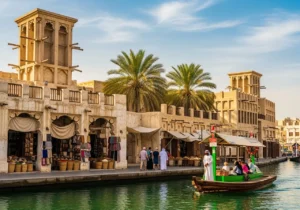
The souks of Deira and Bur Dubai are a living museum. They operate with the same vibrant spirit as they did a century ago, with dhows still unloading goods at the Creek and merchants displaying their wares in open-fronted stalls. A Dubai souk tour allows you to witness this timeless tradition of commerce firsthand.
More Than Shopping: A Cultural Immersion
This is a place to engage with local life. You can interact with vendors from across the globe, learn about the significance of different spices and perfumes in Emirati culture, and observe the art of negotiation in action. It’s a truly immersive cultural experience that offers insights you won’t find in a modern shopping mall.
The Advantage of a Guided Tour vs. Solo Exploration
While exploring on your own can be an adventure, a guided Dubai souk tour provides invaluable context. An expert guide can navigate the labyrinthine alleys with ease, share the history behind the markets, help you distinguish quality goods, and even offer tips on the art of friendly haggling. A guide transforms a simple walk into a rich storytelling experience.
Exploring the World-Famous Dubai Gold Souk
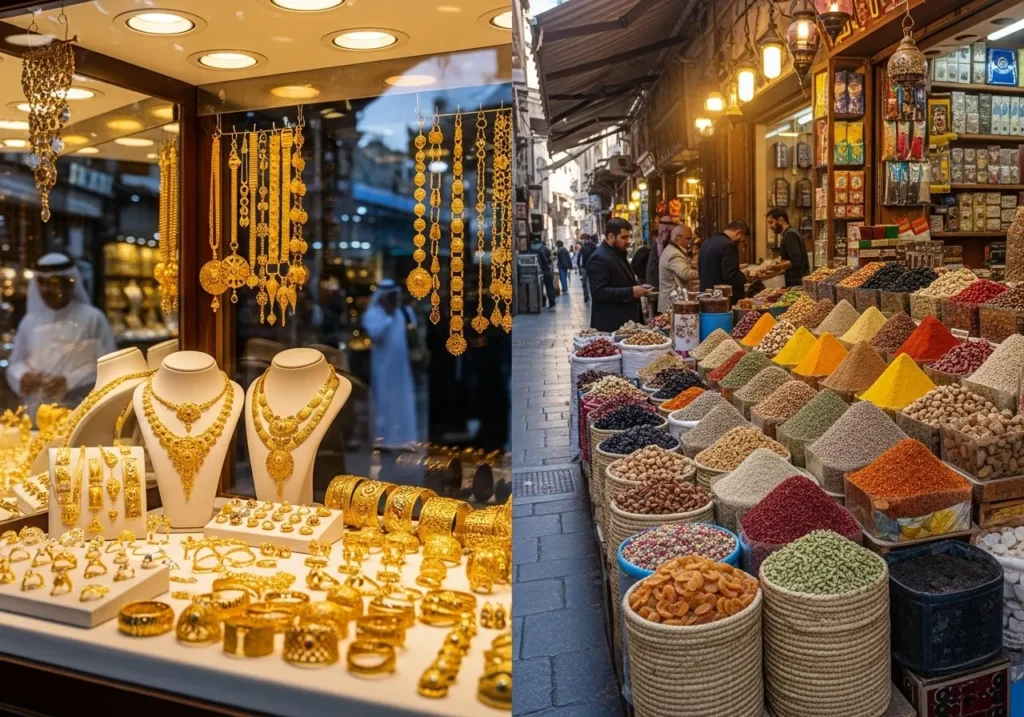
The Deira Gold Souk is legendary, and for good reason. It is the largest gold market in the world, and its glittering displays are a testament to Dubai’s nickname, the “City of Gold.” This is often the main highlight of any Dubai souk tour.
The History Behind the City of Gold’s Glittering Market
The Gold Souk’s origins trace back to the 1940s when traders from India and Iran began setting up stalls. Its growth was fueled by Dubai’s free trade policies, transforming it into a global hub for gold bullion and jewelry. The sheer scale of the market today is a direct result of that visionary economic approach.
What to See: Beyond the Shop Windows
The experience goes beyond just browsing. The intricate craftsmanship on display is breathtaking, with designs ranging from traditional Emirati and Indian styles to modern European aesthetics. It’s a dazzling showcase of artistry.
Be sure to look for the Najmat Taiba, or Star of Taiba, which holds the Guinness World Record for the heaviest gold ring. Weighing nearly 64 kilograms (141 pounds) and adorned with Swarovski crystals, this magnificent piece is a must-see attraction within the souk and a popular photo opportunity on a Dubai souk tour.
A Practical Guide to Buying Gold
If you are in the market for gold, this is one of the best places in the world to buy it. The trade is highly regulated by the Dubai government, ensuring the purity and authenticity of all gold sold.
The price of a piece of jewelry is comprised of two parts: the weight of the gold (based on the international market rate for the day) and the “making charge,” which is the cost of the craftsmanship. While the gold rate is non-negotiable, the making charge is where you can practice your haggling skills. A successful Dubai souk tour for a shopper often involves a good bargain.
Why the Gold Souk is a Highlight of any Dubai Souk Tour
Even if you don’t plan on buying anything, the Gold Souk is an unforgettable experience. The sheer volume and opulence on display are unlike anything else in the world. It’s a place of dazzling beauty and a powerful symbol of Dubai’s commercial prowess. Every Dubai souk tour rightfully places this glittering market at the top of its itinerary.
A Feast for the Senses at the Spice and Perfume Souks
Just a short walk from the glittering Gold Souk, you’ll find markets that appeal to a different sense: the smell. The Spice and Perfume Souks offer an intoxicating journey into the world of ancient aromas and flavors.
The Aromatic Alleys of the Dubai Spice Souk
The Spice Souk is a vibrant and fragrant labyrinth. Large burlap sacks and wooden barrels overflow with a kaleidoscope of colorful spices, herbs, nuts, and dried fruits. The air is a rich tapestry of scents, from the earthy aroma of cumin and turmeric to the sweet fragrance of cinnamon and cardamom.
Look for unique regional specialties like high-grade Iranian saffron, which vendors will gladly demonstrate how to test for authenticity. You can also find black dried lemons, known as loomi, a key ingredient in many Middle Eastern dishes. Frankincense and myrrh resins are also popular purchases. A good Dubai souk tour guide can explain the uses of these exotic ingredients.
The Intoxicating World of the Perfume Souk
Adjacent to the Spice Souk is the Perfume Souk, a treasure trove of Arabian fragrances. Here, you can explore the world of traditional scents, which are often stronger and more complex than their Western counterparts.
The most prized fragrance is Oud, a rich and smoky scent derived from the resin of the agarwood tree. You can also find pure essential oils, solid perfumes, and beautifully ornate incense burners. Many shops offer the unique service of creating a custom-blended perfume just for you, a perfect and personal souvenir from your Dubai souk tour.
The Often-Overlooked Textile Souk in Bur Dubai
A short and scenic abra ride across the Creek will take you to the Bur Dubai side, home to the Textile Souk. This market is a sea of color and texture, with stalls piled high with rolls of fabric.
You can find everything from fine silks and intricate embroidered materials to soft cottons and glittering pashminas. It’s an excellent place to purchase fabric to have an outfit tailored or to buy ready-made traditional Arabic clothing, slippers, and other souvenirs. This area is a crucial stop for a complete Dubai souk tour.
How to Select the Perfect Dubai Souk Tour
Choosing the right tour package can significantly enhance your market experience. Consider your interests, budget, and travel style to find the perfect fit.
Types of Tours to Consider
Group walking tours are a popular and budget-friendly option, offering a comprehensive overview of the main souks. A private Dubai souk tour provides a more personalized experience, allowing you to move at your own pace and focus on your specific interests, whether it’s gold shopping or culinary exploration.
Some tours include hotel transfers for added convenience, while others may focus on specific themes, such as a food-focused tour that includes tastings of local snacks and drinks.
What Makes a Great Tour Guide?
A great guide is a storyteller. They don’t just point out landmarks; they bring the history and culture of the souks to life with engaging anecdotes and deep knowledge. A valuable guide for your Dubai souk tour will also act as a cultural bridge, helping you interact with vendors and even assisting with negotiations if you wish.
Key Inclusions to Look For in a Package
Check what is included in the tour price. A good package will often include the one-dirham fare for the scenic abra ride across the Creek. Some may also include bottled water, which is essential for staying hydrated, or entry into nearby museums like the Dubai Museum (when open). For a wide selection of city tours with clear inclusions, you can check options from reputable providers like the ones found at https://www.hafiztourism.com/.
Comparison of Tour Types
Insider Tips for Navigating the Souks Like a Pro
A little insider knowledge will help you navigate the bustling markets with confidence and make the most of your Dubai souk tour.
The Art of Friendly Haggling
Haggling is an expected and integral part of the souk experience, particularly in the Spice and Textile Souks. Remember to keep it lighthearted and friendly. The vendor will state a price, and you can counter with a lower offer (starting around 50% is a common tactic). The key is to negotiate with a smile and be prepared to walk away if you can’t agree on a price.
Best Time to Visit (Morning vs. Evening)
The souks are generally open from around 10 AM to 10 PM, but many shops close for a few hours in the afternoon (from 1 PM to 4 PM). The mornings are cooler and less crowded, making for a more relaxed browsing experience. The evenings are more atmospheric, as the lights come on and the markets buzz with energy.
What to Wear for Comfort and Respect
Wear comfortable walking shoes, as you will be on your feet for a few hours. Dress modestly out of respect for the local culture; lightweight clothing that covers the shoulders and knees is ideal. A hat, sunglasses, and sunscreen are also recommended.
Navigating from Souk to Souk: The Abra Ride
The most authentic and enjoyable way to travel between the Deira souks (Gold, Spice) and the Bur Dubai souk (Textile) is by taking a traditional wooden boat called an abra across the Dubai Creek. The journey takes only a few minutes, costs just one dirham, and offers fantastic views of the bustling waterway. No Dubai souk tour is truly complete without this iconic ride.
Combining Your Dubai Souk Tour with Other Activities
A Dubai souk tour typically takes up a morning or an evening, leaving the rest of the day free. A popular itinerary is to explore the historic souks in the morning and then head out for a thrilling desert safari in the afternoon and evening. This combination offers a perfect day of contrasts, from the city’s historic heart to its stunning natural desert landscapes. For exciting desert safari options, you can visit https://www.royaldesertadventures.ae/. For other tour combinations and ideas across Dubai, you can browse offerings at https://www.dubaidesertsafarie.com/.
Your Authentic Arabian Adventure Awaits
A Dubai souk tour is an essential journey for anyone looking to understand the true essence of this incredible city. It’s a place where history, culture, and commerce collide in a vibrant, unforgettable spectacle.
By stepping into the bustling alleys of the Gold, Spice, and Textile Souks, you are stepping into a story that is centuries old yet still being written every day. So, prepare for an adventure, engage your senses, and discover the rich heritage that lies at the very heart of Dubai.
Frequently Asked Questions (FAQs)
1. How much time should I allocate for a Dubai souk tour?
To fully enjoy the experience without feeling rushed, you should allocate at least three to four hours for a comprehensive Dubai souk tour. This will give you enough time to explore the Gold Souk, wander through the aromatic Spice Souk, take the scenic abra ride across the Creek, and browse the Textile Souk. If you are a serious shopper, especially for gold, you might want to dedicate an entire morning or evening to give yourself ample time for browsing and negotiation.
2. Is it safe to buy gold from the Dubai Gold Souk?
Yes, it is extremely safe. The gold trade in Dubai is very strictly regulated by the government. All shops in the Gold Souk must adhere to stringent laws, and every piece of jewelry is required to have a hallmark stamp that guarantees its purity. The transparency in pricing, which is based on the international gold rate, further ensures a fair transaction. This high level of regulation is why millions of people trust the Dubai Gold Souk for their purchases.
3. What is the best way to pay for items in the souks cash or card?
Both cash (UAE Dirhams) and credit cards are widely accepted in the Gold Souk. However, for the Spice, Perfume, and Textile Souks, cash is king. Many smaller vendors may not have card facilities, and carrying cash gives you significantly more bargaining power. You are more likely to get a better discount when you can offer to pay in cash. It’s also essential for small purchases like the one-dirham abra ride.
4. Are the souks accessible for people with strollers or wheelchairs?
The accessibility can be mixed. The main walkways in the Gold Souk are relatively smooth and wide, making them manageable with a stroller or wheelchair. However, the Spice Souk and Textile Souk have narrower, more crowded alleys that can be challenging to navigate, especially during peak hours. While it is possible, it requires some patience. The traditional abras are not wheelchair accessible, so crossing the Creek might require using a taxi instead.
5. What are some unique souvenirs to buy from the Spice Souk besides spices?
The Spice Souk is a treasure trove of unique gifts. Beyond spices, you can find high-quality dates, including chocolate-covered and nut-filled varieties. Dried fruits, exotic herbal teas, and frankincense resin are also popular. Look for beautiful, hand-painted ceramic bowls and tagines. Another great souvenir is a bottle of pure rosewater or a block of natural alum, which is used as a traditional antiseptic.
6. Can I visit the souks during the month of Ramadan?
Yes, you can visit the souks during Ramadan, but you need to be aware of the different operating hours. During the day, the markets will be much quieter, and many shops may be closed. The souks truly come to life after sunset. From Iftar (the breaking of the fast) until late at night (often past midnight), the markets are bustling with energy and have a wonderfully festive atmosphere. It’s a unique time to experience a different side of the Dubai souk tour.
7. Is a guided Dubai souk tour worth the money?
For a first-time visitor, a guided Dubai souk tour is absolutely worth the money. A good guide adds immense value by providing historical context, sharing cultural insights, and helping you navigate efficiently. They can point out hidden gems you might otherwise miss, assist with language barriers, and give you the confidence to engage with vendors and haggle effectively. It elevates the experience from a simple shopping trip to a meaningful cultural exploration.
8. How do I know if the saffron I’m buying is authentic?
Authentic, high-grade saffron has a distinct aroma and color. Reputable vendors in the Spice Souk will often demonstrate a simple test for you. They will place a single strand of saffron in a glass of water. Real saffron will slowly release a golden-yellow color into the water while the strand itself retains its red hue. Fake saffron, which is often dyed corn silk, will quickly turn the water red and the strand will lose its color.
9. What is the significance of the abra ride between the souks?
The abra ride is more than just a mode of transport; it’s a historical experience. These simple wooden boats have been ferrying people and goods across the Dubai Creek for centuries, making them the city’s oldest and most authentic form of public transport. Taking the ride during your Dubai souk tour connects you directly to the city’s trading heritage and offers one of the best, most picturesque views of the Old Dubai skyline from the water.
10. Are there places to eat within the souks?
Yes, the areas around the souks are filled with fantastic, affordable eateries offering authentic cuisine. While the main market alleys are focused on retail, the surrounding streets have numerous small restaurants and street food stalls. You can find delicious Indian, Pakistani, and Iranian food, as well as local Emirati snacks. A guided food-themed Dubai souk tour can be a great way to discover these hidden culinary gems.
11. What is the etiquette for photography in the souks?
Generally, taking pictures of the vibrant market scenes, the products, and the architecture is perfectly fine. However, it is crucial to be respectful when taking photos of people. Always ask for permission before taking a close-up picture of a shopkeeper or another person, especially local women. A simple smile and a gesture with your camera are usually enough to get a positive response.
12. Are the souks open on Fridays?
Yes, the souks are open on Fridays, but the hours differ from the rest of the week. Being the Islamic holy day, most shops will be closed on Friday morning for prayers. They typically reopen in the late afternoon, around 4:00 PM or 5:00 PM, and then stay open until late in the evening. If you plan your Dubai souk tour for a Friday, aim for an evening visit to see the markets in full swing.
13. How can I avoid getting overwhelmed by the vendors?
The vendors in the souks are proactive and will often call out to you to visit their shop. It’s part of the vibrant market culture. The best way to handle this is with a polite smile and a simple “no, thank you” if you are not interested. If you show interest in an item, they will engage you in conversation. Stay relaxed, don’t feel pressured to buy, and enjoy the lively interactions as part of the authentic experience.
14. What is Oud and why is it so popular in the Perfume Souk?
Oud is an incredibly rich and aromatic resin derived from the heartwood of the tropical agarwood tree. When the tree becomes infected with a specific type of mold, it produces this dark, fragrant resin as a defense mechanism. This rare and precious material is highly valued across the Middle East for its complex, woody, and long-lasting scent. It is used in perfumes, as incense (bakhoor), and in pure oil form, making it a star attraction of the Perfume Souk.
15. Can I combine a Dubai souk tour with a visit to the Al Fahidi Historical Neighbourhood?
Yes, combining these two is a perfect itinerary. The Al Fahidi Historical Neighbourhood (also known as Al Bastakiya) is located on the Bur Dubai side of the Creek, very close to the Textile Souk and the Bur Dubai Abra Station. You can easily start your Dubai souk tour by exploring the quiet, artistic alleyways of Al Fahidi in the morning, then cross the Creek on an abra to immerse yourself in the bustling Gold and Spice Souks in Deira. This creates a wonderfully comprehensive tour of Old Dubai.