Sustainability Standards
Sustainability Standards are now the benchmark for excellence in the Middle Eastern tourism sector. For years, the desert was viewed simply as a playground for high-octane adventure. However, the modern era demands a more respectful approach. Today, elite operators are adopting rigorous Sustainability Standards to ensure that the beauty of the dunes remains intact for future generations.
When you book a trip, seeing a commitment to Sustainability Standards tells you that the operator values the environment as much as your entertainment. These protocols cover everything from the types of vehicles used to how waste is managed at the campsite. It is a comprehensive system designed to minimize human impact on a very fragile ecosystem.
By choosing tours that adhere to Sustainability Standards, you are voting for the protection of the Arabian landscape. Companies like https://htdesertsafari.com/ are increasingly highlighting these green features. Likewise, leaders such as https://dubaidesertsafarie.com/ and https://royaldesertadventures.ae/ are setting the pace for the rest of the industry to follow.
The Core Pillars of Eco-Friendly Operations
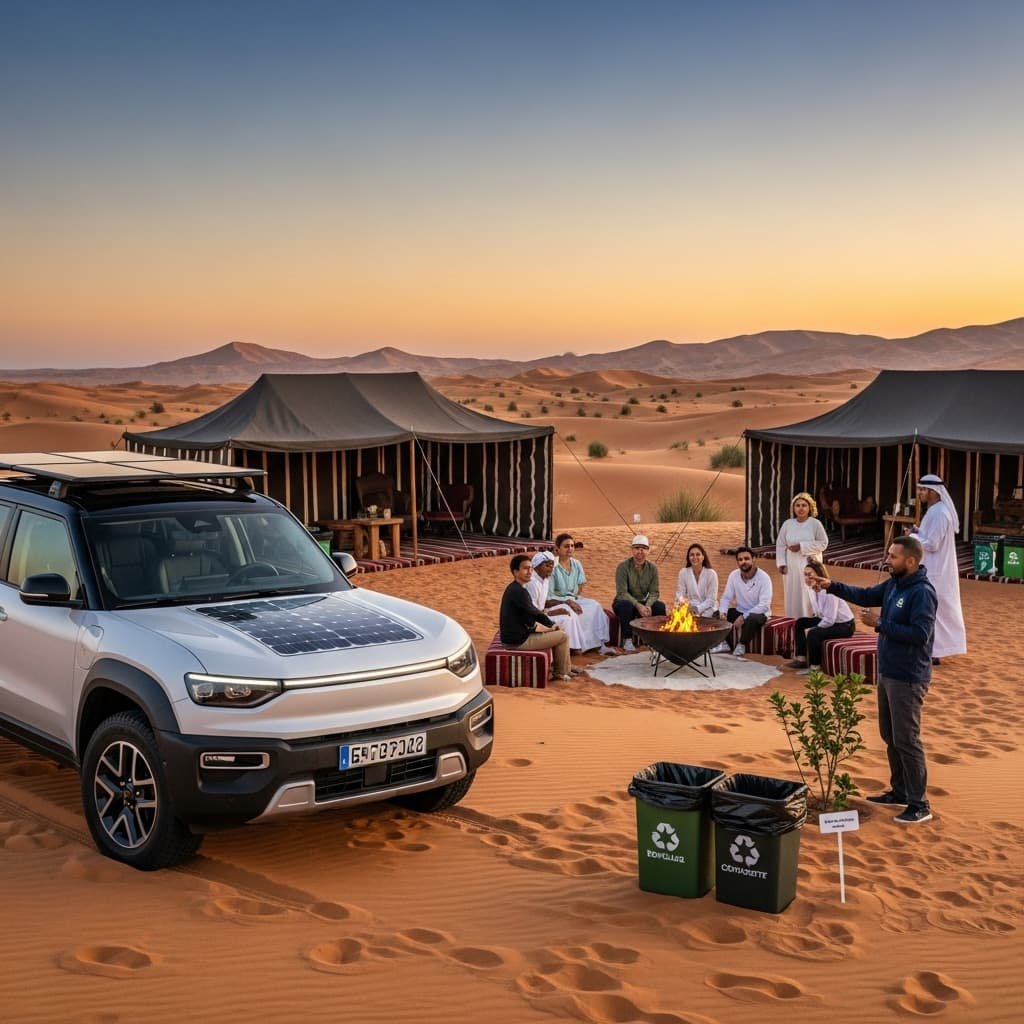
The first pillar of Sustainability Standards involves transport. Moving thousands of people into the dunes every day requires a lot of energy. To meet modern Sustainability Standards, companies are moving toward hybrid vehicles and optimized driving routes. This reduces the total carbon emissions per guest significantly.
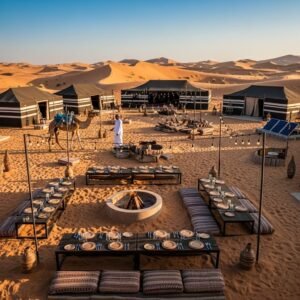
The second pillar focuses on the campsite. Traditional camps relied on heavy diesel generators that produced noise and smoke. Under new Sustainability Standards, these are being replaced by solar arrays. This transition not only protects the air quality but also restores the natural silence of the desert night.
The third pillar is waste management. Sustainability Standards require a “zero-plastic” approach. This means replacing single-use bottles with glass or high-quality reusable containers. It also involves sophisticated recycling programs where organic waste is composted to help local plant life thrive around the camp perimeter.
Protecting Local Biodiversity
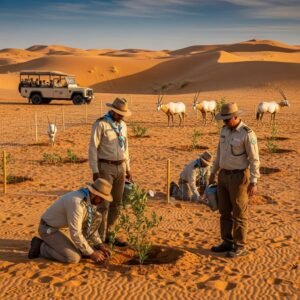
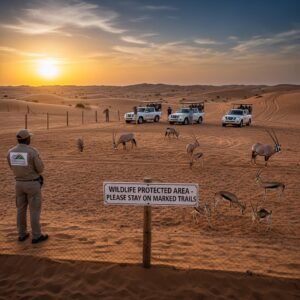
Dubai is home to unique species like the Arabian Oryx and the Sand Gazelle. Sustainability Standards dictate how drivers interact with these animals. For example, a driver following Sustainability Standards will never chase wildlife and will maintain a respectful distance to avoid causing stress to the creatures.
Furthermore, Sustainability Standards protect the flora. The desert crust is a living layer of organisms that prevents sand from shifting too rapidly. By sticking to strictly designated tracks, operators following Sustainability Standards ensure they don’t crush this delicate biological layer.
The presence of companies like https://royaldesertadventures.ae/ in the market ensures that these rules are taken seriously. When the most successful companies adopt Sustainability Standards, it creates a ripple effect. Smaller operators see that being green is a key to long-term business success in the Dubai market.
Water Conservation Strategies
In an arid environment, water is more valuable than gold. Sustainability Standards in the desert safari industry mandate strict water conservation. Many camps now use gray-water recycling systems. This treated water is used for irrigation of native trees like the Ghaf, which are essential for the ecosystem.
Guests are also part of the Sustainability Standards mission. Information cards in tents and cabins encourage visitors to use water sparingly. Low-flow showerheads and faucets are standard in any camp that claims to meet international Sustainability Standards. This reduces the need for water tankers to travel back and forth from the city.
-
Solar Integration: Using the sun to power 100% of camp lighting.
-
Plastic Ban: Removing all single-use plastics from the dining experience.
-
Local Sourcing: Using ingredients from UAE-based hydroponic farms.
-
Noise Reduction: Ensuring camp activities don’t disturb nocturnal wildlife.
-
Education: Training guides to be environmental ambassadors.
Evaluating Global Sustainability Standards
Dubai often looks to international benchmarks to set its own Sustainability Standards. Protocols from organizations like the Global Sustainable Tourism Council (GSTC) are often used as a template. This ensures that a Dubai desert safari meets the same high criteria as an eco-tour in the Amazon or the Serengeti.
Adhering to these Sustainability Standards involves regular third-party audits. An independent inspector will visit the camp and check everything from energy bills to trash bins. Only those who pass these rigorous checks can truly claim to operate under elite Sustainability Standards.
For travelers, checking the credentials of a company on https://dubaidesertsafarie.com/ can reveal who is truly leading the charge. It is no longer enough to just call a tour “eco-friendly.” True Sustainability Standards require data, proof, and a constant drive for improvement.
The Role of Technology in Green Safaris
Modern technology is the best friend of Sustainability Standards. GPS tracking allows fleet managers to monitor fuel consumption in real-time. This helps in training drivers to use “eco-driving” techniques that save fuel and reduce wear and tear on the vehicles.
In the camp, smart sensors manage electricity. If a tent is empty, the cooling and lights automatically shut off. This level of automation is a core requirement for high-level Sustainability Standards. It removes the human error factor and ensures that not a single watt of energy is wasted.
Resources like https://htdesertsafari.com/ often provide insights into how these technologies are integrated. By using the latest gadgets, the industry can maintain high luxury levels while meeting the most demanding Sustainability Standards of the 21st century.
Impact on the Cultural Experience
Sustainability Standards do not take away from the cultural experience; they enhance it. By protecting the desert, these standards ensure that the landscape looks just as it did during the time of the Bedouin. This authenticity is a vital part of the attraction for many visitors.
Furthermore, Sustainability Standards often include social criteria. This means supporting local artisans and ensuring that traditional crafts like henna and falconry are practiced ethically. This holistic approach ensures that the culture survives alongside the environment.
When you book with https://royaldesertadventures.ae/, you are supporting a business model that treats the desert with the reverence it deserves. This respect is felt in every part of the tour, from the quietness of the sunset to the quality of the traditional food served under the stars.
Economic Benefits of Going Green
There is a common myth that following Sustainability Standards is bad for business. In reality, the opposite is true. While the initial investment in solar and new vehicles is high, the operating costs are much lower. Sunlight is free, and efficient vehicles spend less time in the repair shop.
Moreover, the modern traveler is willing to pay a premium for tours that meet high Sustainability Standards. This creates a “green economy” where the most responsible companies are also the most profitable. This economic incentive is the fastest way to make Sustainability Standards the universal rule.
Challenges in Maintaining Standards
Operating in the desert is never easy. Extreme heat can degrade solar panels, and blowing sand can clog filters. Maintaining Sustainability Standards requires constant vigilance. It involves daily cleaning and regular maintenance of all green infrastructure.
Training staff is another challenge. Every guide and waiter must understand why Sustainability Standards are important. It’s not just a set of rules; it’s a mindset. Companies that excel in this area often have the highest guest satisfaction ratings because the passion of the staff is contagious.
The Future of Desert Tourism
As we look toward 2030, Sustainability Standards will only become more strict. We can expect to see the total elimination of fossil fuels in the desert within the next decade. Fully electric 4×4 vehicles, powered by massive solar stations, will be the new normal.
The data gathered from today’s Sustainability Standards will help design the mega-camps of the future. These will be completely circular systems where waste is non-existent and every drop of water is recycled. It is an exciting time for the industry, and Dubai is at the very center of this revolution.
How Travelers Can Support Standards
Your choice as a consumer is the most powerful tool for change. When you prioritize Sustainability Standards in your search, you force the market to adapt. Don’t settle for “greenwashed” tours; look for companies that provide real details about their environmental impact.
Read the fine print on websites like https://dubaidesertsafarie.com/. Look for specific mentions of solar power, waste reduction, and wildlife protection. By being an informed traveler, you become a partner in the mission to preserve the Arabian desert.
-
Ask Questions: Query the tour operator about their Sustainability Standards.
-
Review Honestly: Mention the green features in your online reviews.
-
Respect the Rules: Follow your guide’s instructions to stay on tracks.
-
Minimize Waste: Bring a reusable bottle and avoid littering.
-
Share the Message: Tell friends why Sustainability Standards matter.
Detailed Comparison of Safari Practices
| Category | Non-Standard Safari | Sustainability Standards Safari |
| Power | Diesel Generators | Solar + Battery Storage |
| Water | Single-use plastic bottles | Refill stations / Glass bottles |
| Transport | Old V8 SUVs | Hybrid or New High-Efficiency Fleet |
| Wildlife | Often disturbed for photos | Observed from a distance |
| Soil | Off-road everywhere | Strictly on designated tracks |
As shown in the table, the difference is night and day. A tour following Sustainability Standards provides a much cleaner, quieter, and more respectful environment. This is the only way to ensure that the desert remains a top-tier destination for decades to come.
The Impact of Light and Noise Pollution
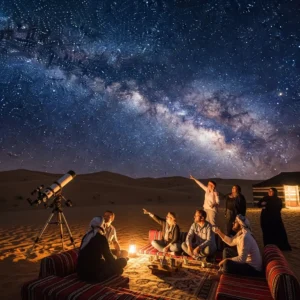
Two of the most overlooked parts of Sustainability Standards are light and noise. Nocturnal animals have evolved to live in absolute darkness. Bright lights can ruin their hunting patterns. Safaris that follow Sustainability Standards use low-lumen, warm-colored lights that don’t bleed into the sky.
Noise is also a factor. The roar of a generator or loud music can be heard for miles in the quiet desert air. By using solar power and setting strict decibel limits, Sustainability Standards ensure that the desert remains a sanctuary of peace for both the animals and the guests.
Global Leadership in the Middle East
The UAE is positioning itself as a global leader in green tourism. The implementation of Sustainability Standards in the desert is a flagship project for the nation. It shows that even in an oil-rich region, the transition to a sustainable future is not just possible but actively happening.
The success of companies like https://royaldesertadventures.ae/ proves that Sustainability Standards are a winning formula. They have managed to capture the luxury market by offering something that money can’t buy: a clean conscience and a truly pristine environment.
Managing the Carbon Footprint
Carbon offsetting is a key part of the modern Sustainability Standards. Since some emissions are currently unavoidable, operators purchase carbon credits to balance their impact. This money goes toward reforestation or renewable energy projects elsewhere in the world.
However, the best Sustainability Standards focus on reduction first. Offsetting is the final step, not the only one. By reducing fuel use and switching to solar, the need for offsets is minimized. This is the “gold standard” of Sustainability Standards that all operators should strive for.
Technical Specifications for Eco-Vehicles
To meet Sustainability Standards, many operators are modifying their fleets. This includes installing specialized tires that provide better grip with less pressure, reducing the impact on the sand. Engines are tuned for torque rather than top speed, ensuring they can navigate the dunes without excessive revving and fuel waste.
These technical adjustments are a vital part of Sustainability Standards. They require a high level of expertise and a commitment to regular testing. Resources like https://dubaidesertsafarie.com/ often provide technical details for those who want to know exactly how their tour is being made more sustainable.
The Human Element of Sustainability
Sustainability Standards are ultimately about the people who love the desert. This includes the Bedouin families whose heritage is tied to the sand, the guides who spend their lives in the dunes, and the tourists who come from around the world to see its beauty.
When we follow Sustainability Standards, we are showing respect for all of these groups. We are ensuring that the stories of the desert can continue to be told. It is a shared responsibility that brings us all together in a common cause: the protection of our natural world.
Why Choose Sustainability Today?
The time to act is now. The desert is changing, and without the protection provided by Sustainability Standards, we risk losing what makes it special. Every trip booked with an eco-conscious operator is a step in the right direction. It is an investment in the health of the planet and the quality of your own experience.
Visit https://htdesertsafari.com/ to find a safari that aligns with your values. Look for the signs of Sustainability Standards and choose the path that leads to a greener future. The desert is a masterpiece; let’s treat it like one.
Frequently Asked Questions
1. What are Sustainability Standards in a desert safari context?
Sustainability Standards are a set of rules and protocols that guide how a safari operator manages their environmental and social impact. This includes using renewable energy, reducing waste, protecting wildlife, and supporting local communities.
2. Is a safari that follows Sustainability Standards more expensive?
Not necessarily. While some high-end eco-resorts have a higher price point, many standard operators are adopting Sustainability Standards without significant price hikes. The operational savings from solar and efficiency often balance out the initial costs.
3. How can I tell if a company really follows Sustainability Standards?
Look for detailed information on their website. Real eco-operators will explain their waste systems, energy sources, and conservation efforts. You can also look for third-party certifications and honest guest reviews.
4. Do Sustainability Standards affect the quality of the food?
Yes, usually for the better! Sustainability Standards prioritize locally sourced, fresh, and organic ingredients. This often leads to a much higher quality of traditional Arabic cuisine compared to mass-produced meals.
5. Are hybrid vehicles common in safaris now?
They are becoming much more common as part of new Sustainability Standards. Many operators are upgrading their fleets to include hybrid 4x4s which provide excellent power while burning significantly less fuel.
6. Do Sustainability Standards help protect the Arabian Oryx?
Absolutely. By sticking to designated tracks and reducing noise, Sustainability Standards prevent the destruction of habitats and reduce stress on the animals, allowing the Oryx populations to thrive.
7. Can I charge my electronics at a solar-powered camp?
Yes. Modern solar and battery systems used in camps that meet Sustainability Standards are very powerful and can easily charge phones, cameras, and other devices without any issues.
8. What happens to the trash at a sustainable camp?
Under Sustainability Standards, all waste must be sorted. Organic waste is often composted, while glass, metal, and plastic are sent to specialized recycling centers in the city. Nothing is left in the desert.
9. Is there WiFi at these eco-friendly camps?
Most camps following Sustainability Standards do offer WiFi. The equipment is low-energy and is easily powered by the solar array, allowing you to stay connected while enjoying the nature.
10. Why is noise pollution included in Sustainability Standards?
The desert is a very quiet environment. Excessive noise can disrupt the behavior of nocturnal animals and ruins the “peace and quiet” that many guests travel so far to experience.
11. Do Sustainability Standards limit where the driver can go?
Yes. Drivers must stay on pre-approved tracks to protect the desert crust and hidden wildlife burrows. This is a key requirement for maintaining high Sustainability Standards.
12. Are these standards mandatory for all companies in Dubai?
While the government has many environmental regulations, some Sustainability Standards are currently voluntary. However, the most successful and reputable companies adopt them to stay competitive and responsible.
13. Does solar power provide enough electricity for the whole night?
Yes. High-capacity battery banks store the energy collected during the day. This provides a steady supply of power for lights, music, and kitchen appliances all night long.
14. Are camel rides part of Sustainability Standards?
Yes, camel trekking is an excellent, zero-emission activity. Sustainability Standards ensure that the camels are well-treated, have proper rest, and are cared for by professional handlers.
15. How do I find the best eco-safari in Dubai?
Start by browsing https://htdesertsafari.com/. They feature a variety of tours. Look for the ones that highlight their “Green” or “Eco” credentials in the description.
16. Are Sustainability Standards the same for all companies?
No, some companies go much further than others. Some might just do basic recycling, while leaders like https://royaldesertadventures.ae/ implement total solar and zero-waste systems.
17. Do Sustainability Standards include social impact?
Yes. True Sustainability Standards also involve paying fair wages, ensuring safe working conditions, and respecting the local culture and traditions of the region.
18. Can a large group safari still be sustainable?
Yes. Large groups just require bigger solar arrays and more robust waste management systems. As long as the Sustainability Standards are followed, the size of the group doesn’t have to be an issue.
19. What is “Greenwashing” in the safari industry?
Greenwashing is when a company uses buzzwords like “eco” or “green” without actually taking any real action. You can spot this by a lack of detail or evidence on their website.
20. What is the goal of Sustainability Standards?
The ultimate goal is to reach a point where tourism has a “net-zero” or even a positive impact on the environment, ensuring the desert is protected forever.
The Role of International Organizations
International bodies like the UN Environment Programme often provide guidance for Sustainability Standards in the Middle East. This global perspective helps local companies understand the latest trends and technologies in conservation. It ensures that Dubai remains a leader in the international travel community.
By participating in these global networks, companies like https://dubaidesertsafarie.com/ can share their own innovations with the rest of the world. It is a two-way street that benefits everyone who cares about the future of our planet.
Sustainability as a Luxury Amenity
In the high-end market, Sustainability Standards are now seen as a luxury amenity. Discerning travelers aren’t just looking for gold-plated faucets; they are looking for authenticity and responsibility. A camp that is 100% solar-powered is seen as more sophisticated and modern than one that uses old technology.
This shift in perception is a huge win for the environment. It means that the most influential people in the world are now using their influence to demand better Sustainability Standards. This top-down pressure is making “green” the new “gold” in the world of Dubai luxury travel.
Long-Term Monitoring and Data
Sustainability Standards aren’t just about what happens today; they are about long-term data. Operators track their energy use, waste output, and wildlife sightings over years. This data allows them to refine their Sustainability Standards and see what is working and what isn’t.
This scientific approach is what makes modern Sustainability Standards so effective. It’s not based on guesswork; it’s based on hard evidence. Companies that share this data with the public, like https://royaldesertadventures.ae/, build a high level of trust with their customers.
Building a Community of Conscious Travelers
When you go on a safari that follows Sustainability Standards, you meet other people who care about the same things. This creates a sense of community. You aren’t just a tourist; you are a guest in a home that is being carefully tended. This feeling of belonging is a powerful part of the experience.
It encourages travelers to take these Sustainability Standards home with them. Many people return from a desert safari with new ideas about how to save water or reduce plastic in their own lives. This “spillover effect” is one of the most beautiful outcomes of the green tourism movement.
The Impact of UAE National Strategy
The UAE’s “Year of Sustainability” and the COP28 climate conference have put a spotlight on Sustainability Standards across the country. The government is providing more support and incentives than ever for companies to go green. This national push is making it easier for safari operators to make the transition.
Whether it is through better access to solar technology or more protected land areas, the government is a key partner in the mission of Sustainability Standards. This cooperation between the public and private sectors is the secret to Dubai’s rapid progress in environmental protection.
Final Thoughts on Your Adventure
Your next desert adventure can be a force for good. By looking for Sustainability Standards, you are choosing a path of respect and responsibility. You are ensuring that the magic of the dunes remains alive for those who come after you.
Explore your options at https://htdesertsafari.com/ and find the safari that speaks to your heart. Whether you are looking for the thrill of the dunes or the peace of the desert night, make sure you find it in a way that honors the Earth. Sustainability Standards are the key to a better journey.
Conclusion: The Green Standard
In conclusion, Sustainability Standards are the foundation of a modern, responsible, and successful desert safari industry in Dubai. They protect the air, the water, the soil, and the wildlife. They also protect the culture and the heritage of the region.
As a traveler, you have the power to make these standards the universal rule. Support the leaders like https://royaldesertadventures.ae/ and https://dubaidesertsafarie.com/. Demand better from everyone else. Together, we can make the “green safari” the only way to experience the wonders of the Arabian desert. The dunes are waiting; let’s explore them wisely.
Continuing the Mission
The work of improving Sustainability Standards never stops. Every year brings new challenges and new opportunities. By staying informed and making conscious choices, you remain a part of this vital mission. Thank you for choosing a sustainable future for Dubai and for the world.
The desert has many secrets yet to be discovered. Let’s make sure we protect the landscape so that those secrets can be revealed to future generations of explorers. Your adventure is just the beginning. Let’s make it a journey that matters.
Final Summary for Eco-Travelers
Choosing a safari with high Sustainability Standards ensures a cleaner, quieter, and more authentic experience. Look for solar power, plastic-free dining, and wildlife protection protocols. Use trusted resources like https://htdesertsafari.com/ to find the best operators. Your choice helps protect the fragile beauty of the Arabian dunes forever.
Would you like me to focus on the specific metrics used during sustainability audits or perhaps a guide on how to spot greenwashing in safari marketing for your next piece?