Desert Safari Safety: 12 Essential Tips for a Flawless Adventure
Ensuring your Desert Safari Safety is the first and most crucial step toward an unforgettable Arabian adventure. While the vast, rolling dunes of Dubai offer a breathtaking backdrop for thrilling activities, this unique environment comes with its own set of challenges. Prioritizing safety doesn’t mean compromising on fun; it means empowering yourself with the knowledge to enjoy every moment with confidence and peace of mind. From the adrenaline rush of dune bashing to the serene pace of a camel trek, understanding the necessary precautions transforms a good trip into an incredible one.
This comprehensive guide delves into every facet of Desert Safari Safety, providing you with actionable tips and expert advice. We will cover everything from choosing the right tour operator to understanding the specific risks associated with each activity. By being well-prepared, you can fully immerse yourself in the magic of the desert, creating memories that will last a lifetime without any unwanted surprises. Let’s explore the essential measures that guarantee your desert expedition is as safe as it is spectacular.
Choose a Reputable and Licensed Tour Operator
The foundation of all Desert Safari Safety lies in the credibility of your chosen tour operator. A licensed and well-reviewed company is your best guarantee for a secure experience. These operators are held to strict regulatory standards set by local tourism authorities, ensuring their vehicles, equipment, and staff meet rigorous safety criteria.
Reputable companies invest in professional, experienced drivers who are not just skilled at navigating the dunes but are also trained in first aid and emergency procedures. Their vehicles are specially modified for the desert terrain, featuring roll cages, safety harnesses, and regular maintenance schedules. Before booking, take the time to read reviews, check their credentials, and ask about their safety protocols. A trustworthy operator will be transparent about their measures. For a starting point on reliable options, you can explore packages on platforms like https://royaldesertadventures.ae/.
Never opt for an unlicensed operator offering a suspiciously cheap deal. The risks are simply not worth the savings. These operations often cut corners on vehicle maintenance, driver training, and essential safety equipment, putting you in a vulnerable position. Your well-being is invaluable, and a certified provider is the first pillar of Desert Safari Safety.
Dress Appropriately for the Climate and Activities
Your choice of clothing plays a significant role in your comfort and Desert Safari Safety. The desert climate is one of extremes, with scorching daytime sun and surprisingly cool temperatures after sunset. Layering your clothing is the most effective strategy to adapt to these changes.
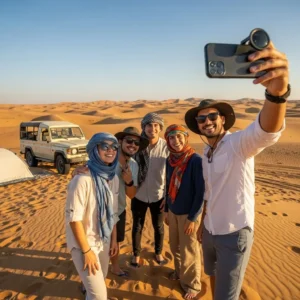
Start with lightweight, breathable fabrics like cotton or linen in light colors to reflect the sun’s heat during the day. Loose-fitting long sleeves and trousers are ideal as they protect your skin from sunburn and prevent overheating. As the evening approaches, you’ll be grateful for a jacket, sweater, or shawl to keep you warm around the campsite.
Footwear is equally important. Open-toed shoes like flip-flops or sandals can be difficult to walk in on soft sand and offer no protection. Opt for closed-toe shoes like sneakers or walking shoes to keep sand out and protect your feet. A wide-brimmed hat and sunglasses are non-negotiable accessories to shield your face and eyes from the intense sun.
Stay Hydrated: The Golden Rule of the Desert
Dehydration is one of the most common and serious risks in a desert environment. The dry air and high temperatures can deplete your body’s water reserves much faster than you realize, making constant hydration a critical component of Desert Safari Safety. Do not wait until you feel thirsty; by then, you are already beginning to dehydrate.
Make it a habit to sip water continuously throughout the day. Your tour operator should provide an ample supply of bottled water, but it’s always a good idea to bring an extra bottle of your own. Avoid or limit the consumption of caffeine and alcohol, as they can contribute to dehydration.
Recognizing the early signs of dehydration is also a key aspect of Desert Safari Safety. Symptoms include dizziness, headache, fatigue, and a dry mouth. If you or someone in your group starts experiencing these signs, it’s essential to rest in a shaded area and drink water immediately. Inform your guide, as they are trained to handle such situations.
Listen to Your Guide and Follow Instructions
Your safari guide is your most valuable safety asset in the desert. They are highly experienced professionals with in-depth knowledge of the terrain, local conditions, and emergency protocols. Adhering to their instructions is a fundamental rule of Desert Safari Safety. Whether it’s a briefing before dune bashing or a demonstration on how to mount a camel, pay close attention.
These instructions are not mere suggestions; they are carefully designed safety procedures based on years of experience. During dune bashing, your driver will instruct you on when to fasten your seatbelt securely and how to brace yourself. When handling a quad bike, the guide will outline the operational controls and designated riding areas.
If you have any questions or concerns, do not hesitate to ask. A good guide will always be happy to clarify procedures and ensure you feel comfortable. Ignoring their advice can lead to preventable accidents, so make respecting their authority a top priority for a smooth and secure adventure.
Dune Bashing Safety: Thrills with Precautions
Dune bashing is often the highlight of a desert safari, but this high-octane activity requires strict adherence to Desert Safari Safety protocols. The experience involves navigating a 4×4 vehicle over steep sand dunes at varying speeds, creating a roller coaster-like effect.
Key Dune Bashing Safety Measures:
- Seatbelts are Mandatory: Always wear your seatbelt and ensure it is fastened tightly across your lap and shoulder. This is the single most important safety device inside the vehicle.
- Vehicle Condition: Reputable operators use vehicles equipped with a full roll cage and other safety modifications. You can find information on such operators at
https://dubaidesertsafarie.com/. - Driver Expertise: The driver’s skill is paramount. Professional safari drivers are specially trained to handle the unpredictable desert terrain.
- Health Considerations: Dune bashing involves sudden, jerky movements and is not recommended for pregnant women, individuals with back or heart problems, or very young children. Be honest about any health conditions you may have.
By entrusting yourself to a professional operator and following these simple rules, you can enjoy the exhilarating rush of dune bashing without compromising your Desert Safari Safety.
Safety Protocols for Quad Biking and Sandboarding
Quad biking and sandboarding offer a more hands-on way to experience the desert landscape. These activities also come with their own set of safety guidelines that must be followed to prevent injuries. Effective Desert Safari Safety for these activities starts with a proper briefing.
For quad biking, your guide will provide a helmet, which must be worn at all times. They will also give you a tutorial on how to operate the vehicle, including accelerating, braking, and steering. It is crucial to stay within the designated areas and maintain a safe distance from other riders. Avoid attempting reckless stunts or racing, as the uneven terrain can easily lead to a loss of control.
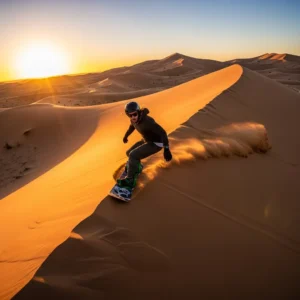
When sandboarding, the guide will show you how to position yourself on the board and control your descent. Start on smaller, gentler slopes to get a feel for the activity before attempting larger dunes. Always check that the path ahead is clear of people and obstacles before you begin your slide.
Camel Riding: A Calm but Cautious Experience
A camel trek offers a peaceful and traditional way to explore the desert, but it still requires attention to Desert Safari Safety. Camels are large animals, and respecting them is key to a safe interaction. Your guide and the camel handler are there to ensure a smooth experience.
Tips for a Safe Camel Ride:
- Mounting and Dismounting: Pay close attention to the handler’s instructions. Camels stand up and sit down in a two-step motion that can be jerky. Hold on firmly to the saddle’s handle during this process.
- Secure Your Belongings: Make sure your phone, camera, and any other personal items are securely stored in a zipped bag. Dropping items from that height makes them difficult to retrieve.
- Stay Seated and Calm: Avoid making sudden loud noises or abrupt movements that could startle the camel. Remain seated and balanced throughout the ride.
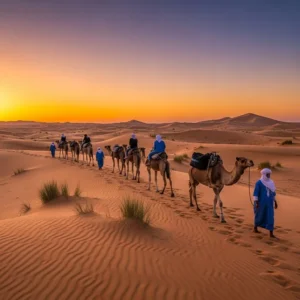
The handler will lead the camel caravan, ensuring the animals remain calm and follow the designated path. This serene activity is a wonderful part of the safari, and following these simple tips ensures it remains a positive memory. Many tour aggregators, like https://hafiztourism.com/, list operators known for their well-cared-for animals and professional handlers.
Sun Protection is Non-Negotiable
The sun in the Arabian Desert is incredibly intense, and protecting yourself from harmful UV rays is a critical aspect of Desert Safari Safety. Sunburn can occur much more quickly than in other climates and can be severe enough to ruin your trip.
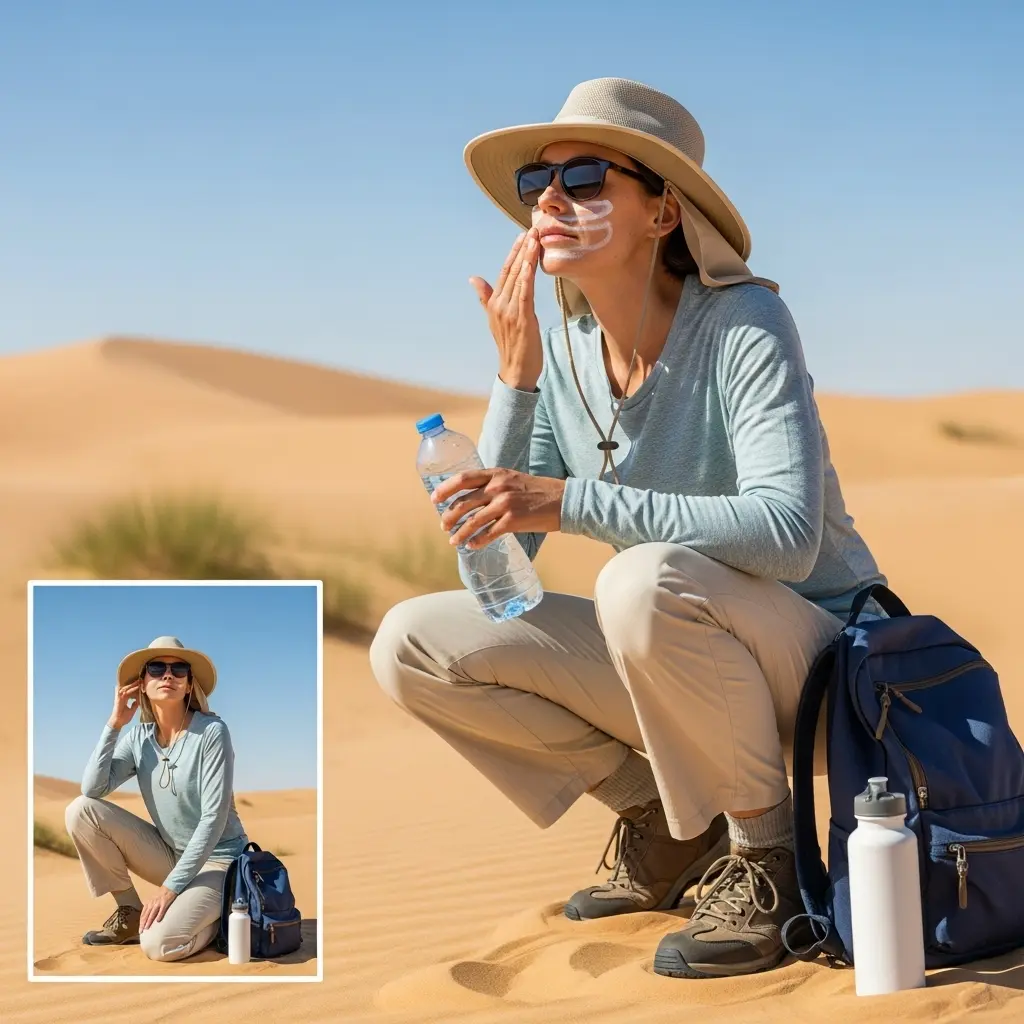
Apply a high-SPF, broad-spectrum sunscreen generously to all exposed skin at least 30 minutes before you head out into the desert. Don’t forget often-missed spots like the back of your neck, ears, and the tops of your feet if you’re wearing sandals at the camp. It is essential to reapply sunscreen every two hours, or more frequently if you are sweating.
In addition to sunscreen, physical barriers provide the best protection. As mentioned earlier, wearing a wide-brimmed hat, UV-protection sunglasses, and lightweight, long-sleeved clothing is your best defense against the harsh desert sun. Protecting your skin is fundamental to your overall health and Desert Safari Safety.
Understand and Respect the Desert Wildlife
The desert is home to a variety of fascinating wildlife, including gazelles, oryx, lizards, and various insects. While encounters can be exciting, an important part of Desert Safari Safety is respecting these animals and their habitat. Never attempt to touch, feed, or provoke any wildlife you may come across.
Maintain a safe distance and observe animals from afar. Your guide will be able to identify different species and provide interesting facts about them. Remember that you are a visitor in their home. Following your guide’s lead ensures that neither you nor the animals are placed in a stressful or dangerous situation.
It’s also wise to be cautious about where you step, especially in rocky areas or around vegetation where snakes or scorpions could be hiding. Wearing closed-toe shoes provides a necessary layer of protection. A respectful approach to wildlife is a sign of a responsible tourist and is integral to a comprehensive Desert Safari Safety mindset.
Campsite Safety and Food Hygiene
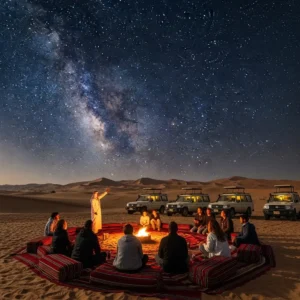
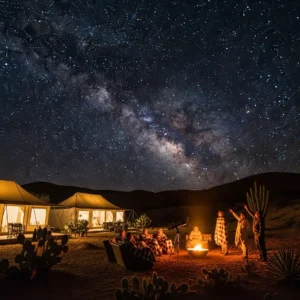
The desert campsite is where you’ll relax, dine, and enjoy cultural entertainment. Even in this seemingly controlled environment, maintaining awareness of your surroundings contributes to your overall Desert Safari Safety. Stick to well-lit areas, especially after dark, and be mindful of your footing on uneven ground or carpets.
Food safety is another crucial consideration. Reputable tour operators, such as those featured on https://royaldesertadventures.ae/, maintain high standards of hygiene for the buffet dinner they provide. The food is typically prepared in professional kitchens and transported in climate-controlled containers.
However, it’s still wise to be cautious. Ensure that hot food is served hot and cold food is served cold. Use the hand sanitizers provided before eating. If you have any food allergies or dietary restrictions, it is essential to inform your tour operator at the time of booking so they can make the necessary arrangements for your safety.
Preparing a Small First-Aid Kit
While every certified safari vehicle is required to have a comprehensive first-aid kit, and guides are trained in its use, carrying a small personal kit is a proactive step for your Desert Safari Safety. This allows you to quickly handle minor issues without having to bother your guide.
What to Include in Your Personal Kit:
- Plasters or bandages in various sizes for minor cuts or blisters.
- Antiseptic wipes to clean wounds.
- Pain relievers, such as paracetamol or ibuprofen.
- Antihistamines for allergic reactions to insect bites.
- Any personal medications you require.
- Rehydration salts or electrolyte packets.
Having these items on hand provides an extra layer of preparedness. It’s a simple measure that adds to your peace of mind, ensuring that small discomforts don’t escalate into bigger problems during your desert adventure. This foresight is a hallmark of a smart and safe traveler.
Emergency Preparedness and Communication
A final, yet vital, aspect of Desert Safari Safety is understanding emergency procedures. Before your trip, ensure your mobile phone is fully charged. While network coverage can be spotty in the deep desert, it’s often available on higher dunes. Save the local emergency number (999 in Dubai) and the contact number for your tour operator in your phone.
Your guide will have a satellite phone or a two-way radio for reliable communication in areas with no mobile signal. In the unlikely event of a vehicle breakdown or other emergency, stay with the vehicle and follow your guide’s instructions. They are trained to handle these scenarios efficiently. The convoy system used by most safari companies means that another vehicle is always nearby to provide assistance.
Knowing that these robust communication and support systems are in place should give you confidence. The entire operation is designed with contingency plans to uphold the highest standards of Desert Safari Safety, ensuring help is always within reach no matter how remote your location feels.
Comparative Safety Checklist: Licensed vs. Unlicensed Operators
To fully appreciate the importance of your choice, here is a table that breaks down the critical differences impacting your Desert Safari Safety.
This stark comparison highlights why investing in a quality tour is a direct investment in your Desert Safari Safety. The peace of mind that comes from knowing you are in capable hands is priceless.
Frequently Asked Questions (FAQs)
1. Is dune bashing in Dubai safe for children? Dune bashing safety is a major consideration for families. Generally, this activity is not recommended for children under the age of three. For older children, it is crucial to ensure they are properly seated and secured with a seatbelt or in an appropriate child safety seat. The decision ultimately rests with the parents and the tour operator’s policy. Always choose a reputable company known for its family-friendly approach, as their drivers are often more cautious when children are on board. Discuss your concerns with the operator beforehand to ensure they can accommodate your family safely.
2. What happens if the safari vehicle breaks down in the desert? Vehicle breakdowns are a rare but possible event. This scenario is a key test of an operator’s commitment to Desert Safari Safety. Licensed operators have robust contingency plans. Firstly, safari vehicles almost always travel in a convoy, so another vehicle is usually nearby to provide immediate assistance. Secondly, guides are equipped with satellite phones or radios to call for backup from their base camp. You will be transferred to another vehicle to continue your tour while a recovery team is dispatched. You will not be left stranded.
3. Are there medical facilities available during a desert safari? There are no permanent medical facilities in the middle of the desert. However, a cornerstone of Desert Safari Safety is the preparedness of the staff. All certified safari guides and drivers are trained in advanced first aid and can handle common medical issues like minor injuries, dehydration, and heat exhaustion. The vehicles are equipped with comprehensive first-aid kits. For any serious medical emergency, the guide will immediately contact emergency services for evacuation.
4. Can I go on a desert safari if I have pre-existing medical conditions? This depends on the nature of your medical condition. High-adrenaline activities like dune bashing and quad biking are not suitable for individuals with serious back problems, neck injuries, heart conditions, or for those who are pregnant. A gentle camel ride and the campsite dinner and entertainment are usually fine. It is imperative to consult with your doctor before the trip and to inform your tour operator of your condition at the time of booking. Transparency is crucial for your personal Desert Safari Safety.
5. How safe is quad biking for someone with no prior experience? Quad biking can be very safe for beginners, provided you follow the safety protocols. A key part of Desert Safari Safety for this activity is the initial briefing. The instructor will provide a helmet and demonstrate how to control the bike. You will be given time to practice in a safe, flat area before heading to the smaller dunes. The most important rules are to follow the guide, stay within the designated route, and not attempt to go faster than your comfort level allows.
6. What are the safety measures for overnight desert safaris? Overnight safaris are a magical experience, and operators take Desert Safari Safety very seriously. The campsites are secure and often enclosed. Sleeping arrangements are in comfortable tents with proper bedding. Staff is present on-site throughout the night to handle any issues. It is important for guests to stay within the campsite area after dark and use a flashlight when moving around. The guides will brief you on all specific safety rules for the overnight stay.
7. Are camel rides safe, and are the animals treated well? Camel rides with reputable operators are very safe. The handlers are extremely experienced and have a deep connection with their animals. A major part of the experience is ensuring the welfare of the camels. Companies like those found on https://royaldesertadventures.ae/ are vetted for their ethical treatment of animals. The ride itself is slow and gentle. The only tricky part is the mounting and dismounting, but if you listen to the handler and hold on tight, it is perfectly safe.
8. What kind of food is served, and is it safe to eat? The food served at desert safari camps is typically an extensive buffet featuring a mix of Arabic and international cuisine, including grilled meats, salads, and desserts. Reputable operators prioritize food hygiene as a critical element of Desert Safari Safety. Meals are prepared in licensed, professional kitchens and transported to the desert in temperature-controlled containers. The risk of foodborne illness is very low when you book with a well-regarded company.
9. Is it safe for a solo female traveler to go on a desert safari? Yes, Dubai is one of the safest cities in the world, and this extends to its organized tourist activities. A desert safari is very safe for solo female travelers. You will be part of a larger group, and the guides are professional and respectful. For added comfort, you can opt for a private tour or join a group with other families and couples. As with traveling anywhere, maintaining general awareness of your surroundings is always a good practice.
10. What should I do if I get lost or separated from the group? Getting separated from the group is highly unlikely due to the structured nature of the tour. However, if it were to happen, the most important rule of Desert Safari Safety is to stay put. Do not wander off trying to find your way. Your guide will notice your absence quickly and will retrace their steps to find you. Staying in one place makes you much easier to locate. Having a fully charged phone is also a valuable backup.
11. Are there restrooms available in the desert? Yes, the desert campsites are well-equipped with modern, clean restroom facilities, including separate blocks for men and women. These are permanent structures with running water and proper sanitation. You will not have to worry about “roughing it” in this regard.
12. What is the best time of year for a desert safari in terms of safety and weather? The best time to visit is during the cooler months, from October to April. During this period, the daytime temperatures are pleasant, and the evenings are cool, reducing the risks of heatstroke and dehydration. While safaris operate year-round, the summer months (June-September) can be extremely hot, requiring extra vigilance with hydration and sun protection, which are key to Desert Safari Safety.
13. Do I need special insurance for a desert safari? While your standard travel insurance should cover you, it’s always a good idea to check if it includes “adventure activities.” Licensed desert safari operators in the UAE are required to have their own comprehensive vehicle and public liability insurance. Booking with a licensed provider like those found on external sites such as https://dubaidesertsafarie.com/ gives you this added layer of financial protection.
14. How are sandstorms handled during a safari? Safari operators constantly monitor weather forecasts. Sandstorms are predictable, and tours will be canceled or rescheduled if there is a high-risk forecast. If an unexpected, minor sandstorm occurs while you are on the tour, the guides are trained to handle it. The convoy will stop, and you will remain safely inside the vehicle until it passes. The guides’ local knowledge is essential for navigating these weather events and ensuring your Desert Safari Safety.
15. Is photography allowed everywhere? Photography is encouraged, but there are some etiquette and safety rules to follow. For your own Desert Safari Safety, do not attempt to take photos or use your phone while the vehicle is dune bashing. During the camel ride, secure your camera with a strap. At the campsite, it is considered polite to ask for permission before taking close-up photos of local staff, entertainers, or other guests. Photographing local women is generally not acceptable.
16. Are there any restrictions on what I can bring with me? You should travel light. Bring a small bag with essentials like your phone, camera, sunscreen, a hat, and a jacket for the evening. It is not recommended to bring large luggage, valuables, or your passport. Large amounts of cash are also unnecessary. Professionalism and the safety of your belongings are a priority for good tour companies.
17. How physically demanding is a desert safari? A standard desert safari is not very physically demanding for the average person. The activities are generally accessible. The most strenuous part might be walking up a sand dune for a better view or for sandboarding. If you have mobility issues, inform your operator. They can often arrange for the vehicle to take you directly to the campsite, allowing you to bypass the more active parts while still enjoying the dinner and shows.
18. What kind of entertainment is provided at the camp, and is it safe? The entertainment is a highlight and is completely safe. It typically includes a Tanoura dance show, a fire show, and a belly dancing performance. The performers are professionals who maintain a safe distance from the audience, especially during the fire show. It is a family-friendly experience designed to showcase local culture in a secure and enjoyable setting.
19. Can I bring my own drone to the desert safari? Drone regulations in the UAE are very strict. You need to be a registered operator with the relevant authorities to fly a drone. Flying drones is prohibited in many areas, including the desert conservation reserves where many safaris take place. To avoid legal issues, it is best to leave your drone behind unless you have obtained explicit permission and the necessary licenses beforehand.
20. What is the most overlooked aspect of Desert Safari Safety? Perhaps the most overlooked aspect of Desert Safari Safety is personal accountability. While the tour operators provide a secure framework, your choices matter. This includes being honest about your health conditions, not pushing yourself beyond your limits during activities like quad biking, drinking enough water even when you don’t feel thirsty, and following every instruction from your guide. Your active participation in your own safety is what ties all the professional measures together for a truly seamless and secure adventure.