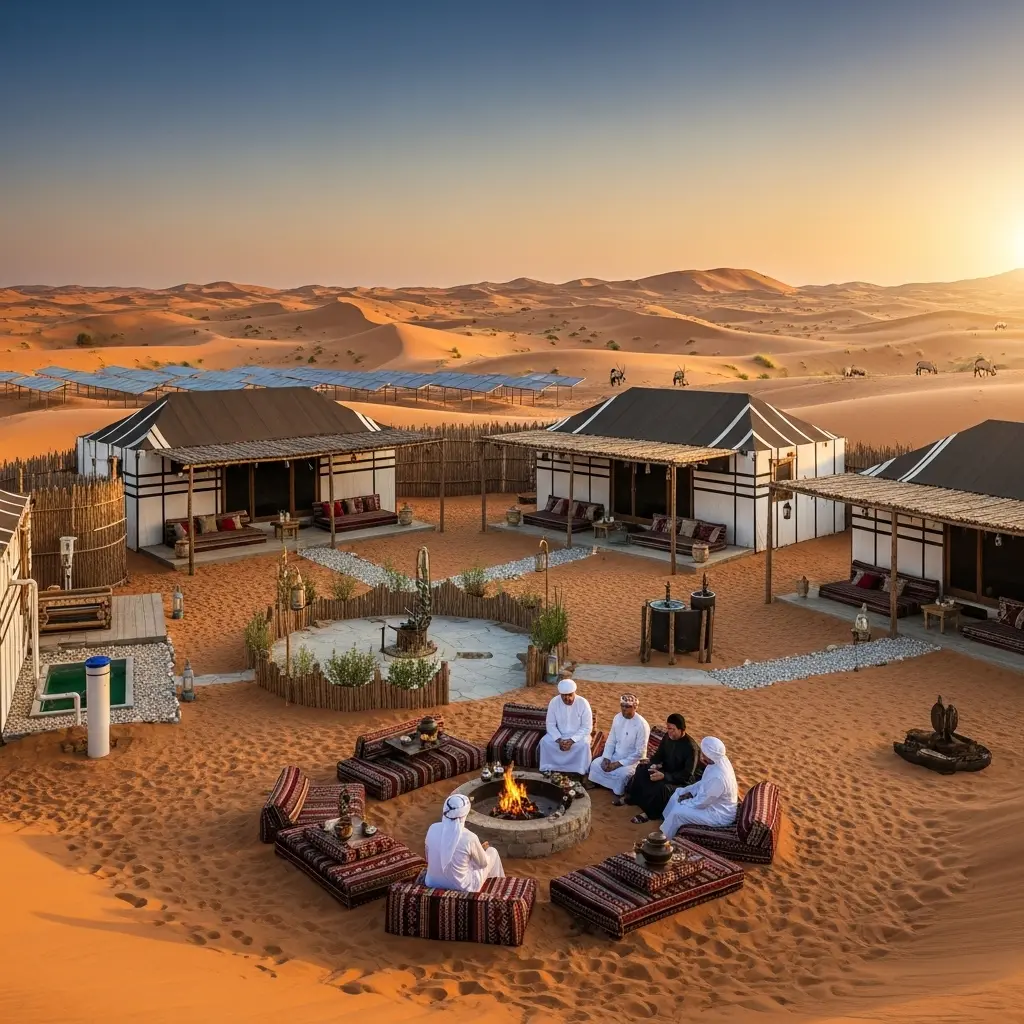
Sustainable Safari Practices Reshaping the UAE Golden Sands
Sustainable Safari experiences are no longer just a luxury trend in the United Arab Emirates. They have become a necessity for preserving the delicate ecosystem of the Arabian Peninsula. As travelers become more conscious of their environmental footprint, the demand for ethical tourism has skyrocketed.
The concept of a Sustainable Safari revolves around minimizing human impact on the desert. This includes reducing carbon emissions and protecting native wildlife species. It also involves supporting local communities and preserving the cultural heritage of the Bedouin people.
In this extensive exploration, we will look at how the UAE is leading the way in green tourism. We will examine the technology, the ethics, and the breathtaking experiences offered by eco-friendly camps. This is the future of desert exploration, where luxury meets responsibility in the heart of the dunes.
The Evolution of the Sustainable Safari in the Middle East
The history of desert tourism in the UAE has seen a massive shift toward the Sustainable Safari model. In the early days, desert excursions were often unregulated and physically damaging to the terrain. Today, strict government regulations and private initiatives ensure that the desert remains pristine for future generations.
A Sustainable Safari focuses on low-impact activities. Instead of high-speed dune bashing that erodes the sand, eco-camps prioritize nature walks and wildlife spotting. This shift ensures that the natural movement of the dunes is not permanently altered by heavy machinery or excessive vehicle traffic.
Investors are now pouring resources into Sustainable Safari infrastructure. This includes permanent structures built from recycled materials and temporary camps that leave no trace. The goal is to create a seamless blend between high-end hospitality and environmental stewardship.
Solar Power and Renewable Energy in Eco Desert Camps
One of the hallmarks of a Sustainable Safari is the use of renewable energy. Traditional desert camps often rely on noisy, polluting diesel generators for electricity. Modern eco-camps have replaced these with silent, efficient solar arrays that harness the abundant Arabian sun.
Solar energy powers everything from the lights in the guest tents to the water filtration systems. By utilizing the sun, a Sustainable Safari reduces its carbon footprint to almost zero. This transition is vital for maintaining the air quality and silence of the vast desert landscape.
Beyond solar, some Sustainable Safari operators are experimenting with wind energy. Small turbines can capture the desert breezes to provide power during the night. This hybrid approach ensures a constant supply of clean energy without disrupting the natural aesthetics of the desert environment.
| Feature | Traditional Safari | Sustainable Safari |
| Energy Source | Diesel Generators | Solar and Wind Power |
| Waste Management | Landfill Disposal | On-site Recycling & Composting |
| Water Usage | High Consumption | Greywater Recycling |
| Impact on Wildlife | Disruptive | Protective and Observational |
| Building Materials | Concrete and Plastic | Natural and Recycled Materials |
Water Conservation Strategies in the Arid Landscape
Water is the most precious resource in the desert, making conservation a core pillar of any Sustainable Safari. High-end eco-camps implement advanced atmospheric water generators. These devices extract moisture from the air to provide clean drinking water for guests without the need for plastic bottles.
A Sustainable Safari also utilizes greywater recycling systems. Water used in showers and sinks is filtered and treated on-site. This recycled water is then used to irrigate native plants around the camp, creating small oases that support local insect and bird life.
Guests at a Sustainable Safari are often educated on water mindfulness. Low-flow showerheads and dual-flush toilets are standard features in these camps. These small changes, when scaled across the entire tourism industry, save millions of liters of water annually in the UAE.
Protecting Biodiversity through Sustainable Safari Initiatives
The Arabian desert is home to a surprising variety of life, and a Sustainable Safari aims to protect it. Species like the Arabian Oryx and the Sand Gazelle were once on the brink of extinction. Conservation-focused tourism has played a massive role in their successful reintroduction to the wild.
During a Sustainable Safari, guides emphasize the importance of staying on designated tracks. This prevents the destruction of subterranean burrows and fragile desert flora. By respecting the boundaries of nature, tourists can observe animals in their natural habitat without causing stress or harm.
Many Sustainable Safari operators donate a portion of their profits to local conservation NGOs. These funds support research into desert ecology and the protection of endangered plants. When you choose a green camp, your visit directly contributes to the survival of the desert’s unique biological heritage.
Architecture and Design of Modern Eco Friendly Camps
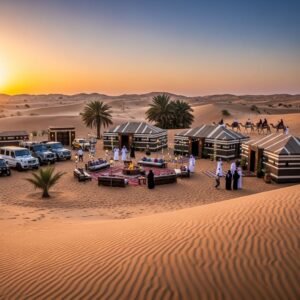
The physical structure of a Sustainable Safari camp is designed to be “light on the land.” Architects use traditional cooling techniques, such as wind towers and thick natural fabrics, to reduce the need for air conditioning. This traditional wisdom is combined with modern sustainable materials.
Many Sustainable Safari tents are made from canvas and wood sourced from sustainable forests. The flooring often consists of reclaimed timber or locally sourced stone. These materials blend into the environment visually and can be easily removed or recycled at the end of the camp’s lifecycle.
Inside a Sustainable Safari suite, you will find organic linens and biodegradable toiletries. The furniture is often handcrafted by local artisans using traditional methods. This focus on local sourcing reduces the “embedded carbon” of the camp, as items do not need to be shipped from overseas.
Waste Management and Zero Plastic Policies
A major challenge for desert tourism is waste, but a Sustainable Safari tackles this head-on. Most eco-camps operate on a strict zero-plastic policy. This means no single-use plastic bottles, straws, or packaging are allowed on the premises or during excursions.
Waste at a Sustainable Safari is meticulously sorted. Food scraps are composted on-site to create nutrient-rich soil for desert plants. Metals, glass, and paper are transported back to city centers for professional recycling. This closed-loop system ensures that the desert remains free of litter.
Educational signage at a Sustainable Safari helps guests understand the importance of waste reduction. By seeing the direct impact of their choices, travelers are inspired to carry these green habits back to their home countries. The desert serves as a powerful classroom for environmental responsibility.
Supporting Local Communities and Cultural Heritage
A truly Sustainable Safari is as much about people as it is about the environment. These camps prioritize hiring staff from local Emirati communities. This ensures that the economic benefits of tourism stay within the region and support local families.
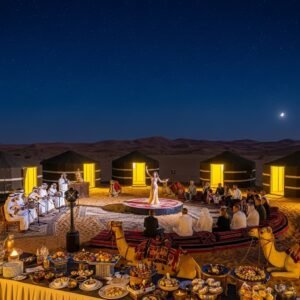
During a Sustainable Safari, guests have the opportunity to engage with authentic Bedouin culture. This includes traditional storytelling, folk music, and demonstrations of ancient crafts like weaving and falconry. These interactions are conducted with deep respect for the privacy and dignity of the local people.
By integrating cultural preservation into the Sustainable Safari model, the UAE ensures its history is not lost to modernization. Travelers gain a deeper understanding of how humans have survived in this harsh landscape for centuries using sustainable methods.
The Role of Organic and Locally Sourced Cuisine
Food is a highlight of any trip, and a Sustainable Safari offers a farm-to-table experience in the middle of the dunes. Ingredients are sourced from organic farms within the UAE, reducing the carbon emissions associated with long-distance food transport.
The menu at a Sustainable Safari often features traditional Emirati dishes made with seasonal produce. This supports local farmers and provides guests with a fresh, nutritious, and authentic dining experience. Dates, honey, and camel milk are staples that showcase the bounty of the region.
Chefs at a Sustainable Safari are trained in minimal-waste cooking techniques. Every part of an ingredient is used, and leftovers are carefully managed. This mindful approach to dining reflects the broader ethos of the camp and enhances the overall guest experience.
Sustainable Safari Transportation and Low Carbon Transit
Getting to the desert is often the most carbon-intensive part of the journey. To counter this, many Sustainable Safari operators are switching to electric or hybrid vehicles for guest transfers. These vehicles are quiet and produce zero tailpipe emissions, protecting the desert air.
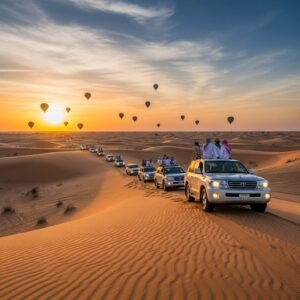
Within the reserve, a Sustainable Safari might offer camel trekking or sandboarding instead of motorized activities. These traditional modes of transport allow for a slower, more intimate connection with the landscape. The silence of a camel train is a stark and welcome contrast to the roar of a traditional 4×4.
For those who still prefer a vehicle, Sustainable Safari companies use specialized low-pressure tires. These tires distribute the weight of the car more evenly, preventing the deep rutting of the sand that can lead to permanent soil damage and erosion.
Monitoring and Transparency in Green Tourism
To ensure a Sustainable Safari is actually “green” and not just “greenwashed,” many operators seek international certification. Organizations like the Global Sustainable Tourism Council provide rigorous standards that camps must meet to earn their seal of approval.
A transparent Sustainable Safari operator will share their environmental impact reports with the public. This includes data on water usage, energy consumption, and waste reduction. This level of honesty builds trust with the traveler and encourages other companies to improve their standards.
Technology plays a role here too. Some Sustainable Safari camps use smart sensors to monitor electricity and water usage in real-time. This allows managers to identify leaks or inefficiencies immediately, ensuring that the camp operates at peak environmental performance at all times.
Educational Programs and Guest Engagement
A Sustainable Safari is an opportunity to change hearts and minds. Many camps offer guided nature walks where experts explain the complex relationships between desert plants, animals, and the climate. This education is a vital component of the guest experience.
Children visiting a Sustainable Safari can participate in junior ranger programs. These activities teach them about wildlife tracking, solar energy, and the importance of conservation. By engaging the next generation, eco-camps ensure a long-term commitment to protecting the planet.
The impact of a Sustainable Safari lasts long after the guest has left. The memories of the starlit sky, the silent dunes, and the sight of an oryx in the wild create a lasting emotional bond with nature. This bond is the most powerful tool we have in the fight against environmental degradation.
Challenges Facing the Sustainable Safari Industry
Despite its success, the Sustainable Safari industry faces hurdles. The initial cost of installing solar panels and advanced water systems is high. This can make eco-friendly options more expensive for the consumer, though the long-term environmental benefits are priceless.
Another challenge for the Sustainable Safari is the extreme climate of the UAE. High temperatures in the summer can strain solar batteries and increase the demand for cooling. Innovative engineering is constantly evolving to solve these problems and make year-round green tourism a reality.
There is also the issue of scalability. As the UAE aims to attract millions more tourists, maintaining the “low-impact” nature of a Sustainable Safari becomes more difficult. Careful urban planning and strict limits on guest numbers in sensitive areas are essential to managing this growth.
Future Trends in UAE Eco Friendly Exploration
The future of the Sustainable Safari looks bright with the integration of AI and smart technology. AI can optimize energy distribution across a camp, ensuring that power is only used where and when it is needed. This will further reduce the footprint of luxury stays.
We are also seeing the rise of “glamping” within the Sustainable Safari sector. These high-end tents provide all the comforts of a five-star hotel but are entirely mobile. This allows camps to rotate their locations, giving the desert floor time to recover and regenerate naturally.
Collaboration is another key trend. Sustainable Safari operators are partnering with tech companies to develop new biodegradable materials for camp construction. These partnerships drive innovation that benefits not just the tourism sector, but the entire construction industry in the Middle East.
Conclusion: Why Your Choice Matters
Choosing a Sustainable Safari is a powerful statement. It tells the travel industry that you value the planet as much as your own comfort. In the UAE, where the desert is the heart of national identity, protecting this landscape is a sacred duty.
By supporting a Sustainable Safari, you are helping to create a blueprint for tourism in arid regions worldwide. You are proving that luxury and sustainability can go hand in hand. The result is a richer, more meaningful travel experience that leaves the world a better place.
The next time you plan a trip to the dunes, look for the hallmarks of a Sustainable Safari. Ask about their power source, their waste policy, and their wildlife conservation efforts. Your curiosity and your patronage are the driving forces behind the green revolution in the desert.
Strategic Partnerships in Desert Tourism
For more information on high-quality desert experiences, you can visit https://royaldesertadventures.ae/ or check out the services at https://dubaidesertsafarie.com/. These platforms provide insights into how various operators approach the desert landscape. For internal booking details and packages, please refer to https://htdesertsafari.com/ to find the right fit for your next adventure.
Frequently Asked Questions
1. What exactly defines a Sustainable Safari in the UAE?
A Sustainable Safari is defined by its commitment to environmental preservation, social responsibility, and economic viability. It involves using renewable energy like solar power, implementing zero-plastic policies, and ensuring that the natural habitat of desert wildlife is not disturbed. It also focuses on the inclusion of local Emirati culture and ensuring that the economic benefits of the tour support the local community rather than just large international corporations.
2. How do eco-camps get power in the middle of the desert?
Most Sustainable Safari camps utilize advanced solar panel arrays to capture the intense sunlight of the Arabian Peninsula. This energy is stored in large battery systems to provide power during the night. Some camps also use small-scale wind turbines. By avoiding diesel generators, these camps eliminate noise pollution and carbon emissions, providing a much more peaceful and clean environment for guests.
3. Is a Sustainable Safari less comfortable than a luxury one?
Not at all. In fact, many Sustainable Safari options are considered “ultra-luxury.” They offer high-end amenities, gourmet organic dining, and private suites. The “sustainability” aspect refers to how these comforts are provided—using green energy, recycled water, and ethical sourcing—rather than a reduction in the quality of the guest experience. You get the same level of comfort with the added peace of mind that you aren’t harming the environment.
4. How is water managed at these remote desert locations?
Water management is a top priority for any Sustainable Safari. Camps often use atmospheric water generators to pull moisture from the air or bring in water that is then strictly recycled. Greywater from showers and sinks is treated and used for irrigation of native plants. Furthermore, guests are encouraged to use water sparingly, and low-flow fixtures are installed throughout the camp to minimize waste.
5. What kind of wildlife can I see on a Sustainable Safari?
You can see a variety of native species that have been protected by these conservation efforts. The most famous is the Arabian Oryx, which was once extinct in the wild. You might also see Sand Gazelles, Arabian Red Foxes, and various species of desert lizards and birds. Because Sustainable Safari guides are trained in conservation, they know how to find these animals without stressing them or invading their space.
6. Are there specific rules guests must follow?
Yes, to maintain the integrity of a Sustainable Safari, guests are usually asked to stay on designated paths, avoid littering at all costs, and use biodegradable products provided by the camp. There are also rules regarding noise levels to avoid disturbing the wildlife. These rules are designed to ensure that the desert remains a pristine and quiet sanctuary for both the animals and future human visitors.
7. Why is dune bashing often excluded from a Sustainable Safari?
While dune bashing is a popular tourist activity, it can be very damaging to the desert ecosystem. The heavy vehicles crush desert plants and destroy the burrows of small animals. A Sustainable Safari usually opts for low-impact alternatives like guided nature drives on set tracks, camel trekking, or fat-bike tours. These activities allow you to enjoy the beauty of the dunes without causing long-term geological or biological damage.
8. How does a Sustainable Safari support the local Emirati culture?
Sustainable Safari operators work closely with local communities to provide authentic cultural experiences. This includes hiring local guides, featuring traditional Bedouin food, and hosting cultural demonstrations. This ensures that the heritage of the UAE is preserved and that the local people benefit directly from the tourism industry. It prevents the “commercialization” of culture and promotes genuine cross-cultural understanding.
9. Can I visit a Sustainable Safari camp year-round?
While some eco-camps operate year-round, many close or limit their operations during the extreme heat of the summer months (June to September). This is partly for guest comfort and partly to reduce the massive energy load required for cooling during those months. A Sustainable Safari operator will always prioritize the most efficient and environmentally friendly way to run their business, which sometimes means seasonal breaks.
10. What should I pack for a Sustainable Safari?
You should pack light, breathable clothing made of natural fibers like cotton or linen. It is also highly recommended to bring a reusable water bottle, although most Sustainable Safari camps provide them. Avoid bringing any single-use plastics. Sun protection is essential, so bring biodegradable sunscreen and a wide-brimmed hat. Your goal as a guest is to minimize the “waste” you bring into the fragile desert environment.
11. How do these camps handle sewage in the desert?
A Sustainable Safari uses advanced, self-contained sewage treatment plants. These systems use biological processes to break down waste into clean water and compost. This prevents any contamination of the desert sand or groundwater. The technology is so advanced that the treated water is often cleaner than standard municipal water, though it is primarily used for landscaping rather than drinking.
12. Are Sustainable Safaris more expensive than regular ones?
Generally, yes, a Sustainable Safari can carry a higher price tag. This is because the technology required to run a green camp (solar, water recycling, waste systems) is expensive to install and maintain. Additionally, these camps often limit guest numbers to reduce impact, which means they don’t benefit from the “mass market” economy of scale. However, the price reflects the true cost of protecting the environment.
13. Do these tours offer transportation from the city?
Most Sustainable Safari companies provide transportation. To keep it green, many are now using electric vehicles (EVs) or high-efficiency hybrid vans. If they use standard vehicles, they often participate in carbon-offsetting programs to neutralize the emissions generated during the drive from Dubai or Abu Dhabi to the desert reserve.
14. What is the “Leave No Trace” policy in a Sustainable Safari?
The “Leave No Trace” policy means that after a camp is moved or a tour is finished, there should be no physical evidence that humans were ever there. This includes removing all waste, smoothing out tracks where possible, and ensuring no permanent structures are left behind. In a Sustainable Safari, this is a core operating principle that ensures the desert remains a wilderness.
15. How can I verify if a safari is truly sustainable?
Look for certifications on their website, such as those from Ecotourism Australia or the GSTC. Read their “Sustainability Policy” or “Environment Page.” A real Sustainable Safari will be very specific about their practices—naming their solar providers, explaining their waste management, and detailing their conservation partnerships. If the information is vague, it might just be marketing.
16. What kind of food is served?
The food is typically a mix of traditional Arabic cuisine and international dishes, with a heavy emphasis on local, organic ingredients. You can expect fresh salads, grilled meats, and traditional desserts like Luqaimat. Because it is a Sustainable Safari, the ingredients are often sourced from local UAE farms to reduce “food miles” and support the local agricultural economy.
17. Can large groups or corporate events book a Sustainable Safari?
Yes, many Sustainable Safari operators cater to groups, but they do so with strict caps on total attendance. This ensures the environmental footprint of the event doesn’t exceed the camp’s capacity to manage waste and energy. Corporate groups often choose these settings to align with their own Corporate Social Responsibility (CSR) goals.
18. Is there Wi-Fi at a Sustainable Safari camp?
While some camps provide Wi-Fi, many encourage a “digital detox.” If Wi-Fi is provided, it is usually powered by the same solar grid as the rest of the camp. Part of the Sustainable Safari experience is disconnecting from the modern world and reconnecting with nature, so many guests find they don’t actually miss the internet once they are in the dunes.
19. Are these safaris safe for children?
Absolutely. A Sustainable Safari is a wonderful educational experience for children. The activities are generally slower-paced and more observational, making them safer and more engaging for younger travelers. Many camps have specific educational programs designed to teach kids about desert ecology and the importance of being a green traveler.
20. What is the best time of day for a Sustainable Safari?
The late afternoon and evening are the most popular times. This allows you to witness the spectacular desert sunset and the emergence of nocturnal wildlife. Many Sustainable Safari packages include an overnight stay, which provides the best opportunity for stargazing. Without the light pollution of the city or the noise of generators, the desert sky becomes an incredible canopy of stars.
By choosing a Sustainable Safari, you contribute to the longevity of the UAE’s natural wonders. Every detail, from solar power to organic food, plays a part in a larger movement toward a greener planet. Explore the desert with a clean conscience and discover the true beauty of the Arabian sands.