Desert Safari Safety: 12 Critical Rules to Avoid Disaster and Ensure a Secure Adventure
The allure of the Arabian Desert is undeniable. A safari offers thrilling adventure and cultural immersion.
However, the desert is an extreme environment. Desert Safari Safety must always be the top priority.
Ignoring basic precautions can quickly turn a fun trip into a hazardous one.
This comprehensive guide details the essential rules for maximizing your adventure while ensuring complete Health Safety Desert.
Following these Safari Safety Tips is crucial for a memorable and secure experience.
1. Preparing for Desert Safari Safety: The Pre-Tour Checklist
Your safe journey begins long before you step into the 4×4.
Proper preparation is the foundation of excellent Desert Safari Safety.
Health Safety Desert: Medical Clearance and Conditions
You must be honest about your physical health before booking.
High-risk activities like dune bashing are unsuitable for certain people.
Health Safety Desert protocols strictly prohibit participation for pregnant women.
Recent surgeries, serious back pain, or heart conditions are also major contraindications.
Always consult your doctor if you have any doubts about your ability to handle the trip.
This proactive approach is the best form of Desert Safety Precautions.
Safari Safety Tips: Essential Packing and Attire
Dress appropriately for the extreme temperature swings of the desert.
Lightweight, breathable clothing is best for the daytime heat.
A jacket or shawl is essential for the sharp temperature drop after sunset.
Sunglasses and a hat are non-negotiable Safari Safety Tips for sun protection.
Bring any necessary personal medications with you.
A small, high-SPF sunscreen is vital for every moment of your Desert Safari Safety awareness.
2. Vetting Your Operator: The Core of Desert Safari Safety
Choosing a licensed, reputable operator is the single most important Desert Safari Safety decision.
Do not be tempted by extremely low prices, which often signal compromised standards.
Credentials and Licensing
A trustworthy operator will openly display their credentials and insurance coverage.
They must adhere to strict government regulations concerning vehicle maintenance.
Verify their reputation by checking reviews on platforms linked via external resources like https://dubaidesertsafarie.com/.
This vetting process ensures your chosen trip meets high Safe Desert Tourism standards.
Driver Expertise and Training
The skill of the driver is the most crucial element of Safe Dune Bashing.
A reputable company employs drivers certified in defensive and off-road driving.
These experts know the desert terrain and how to handle emergencies safely.
Inquire about the driver’s training history to ensure your Desert Safari Safety.
3. Vehicle Safety: Mastering Safe Dune Bashing
The dune bashing experience is thrilling, but it must be conducted under stringent safety rules.
Safe Dune Bashing relies on both the driver’s skill and passenger compliance.
Safe Dune Bashing: Vehicle Inspection
Every vehicle used for dune bashing must pass daily safety checks.
This includes tire pressure regulation, which is essential for desert travel.
The vehicles should be equipped with mandatory roll cages and first aid kits.
These technical checks are foundational to your overall Desert Safari Safety.
Safari Safety Tips: Seatbelts and Cabin Protocol
Seatbelts must be worn at all times during the dune bashing and sand driving segments.
Do not unbuckle your seatbelt until the vehicle is parked and the driver gives permission.
Keep your head and limbs inside the vehicle and avoid unnecessary movement.
Listen to the driver’s instructions—they are the final authority on Safari Safety Tips.
4. Environmental Risks: Desert Adventure Risks and Mitigation
The desert presents specific environmental Desert Adventure Risks.
Being aware of these risks allows you to take proper mitigation steps.
Heat and Dehydration: Desert Travel Health Essentials
Dehydration is the most common of all Desert Adventure Risks.
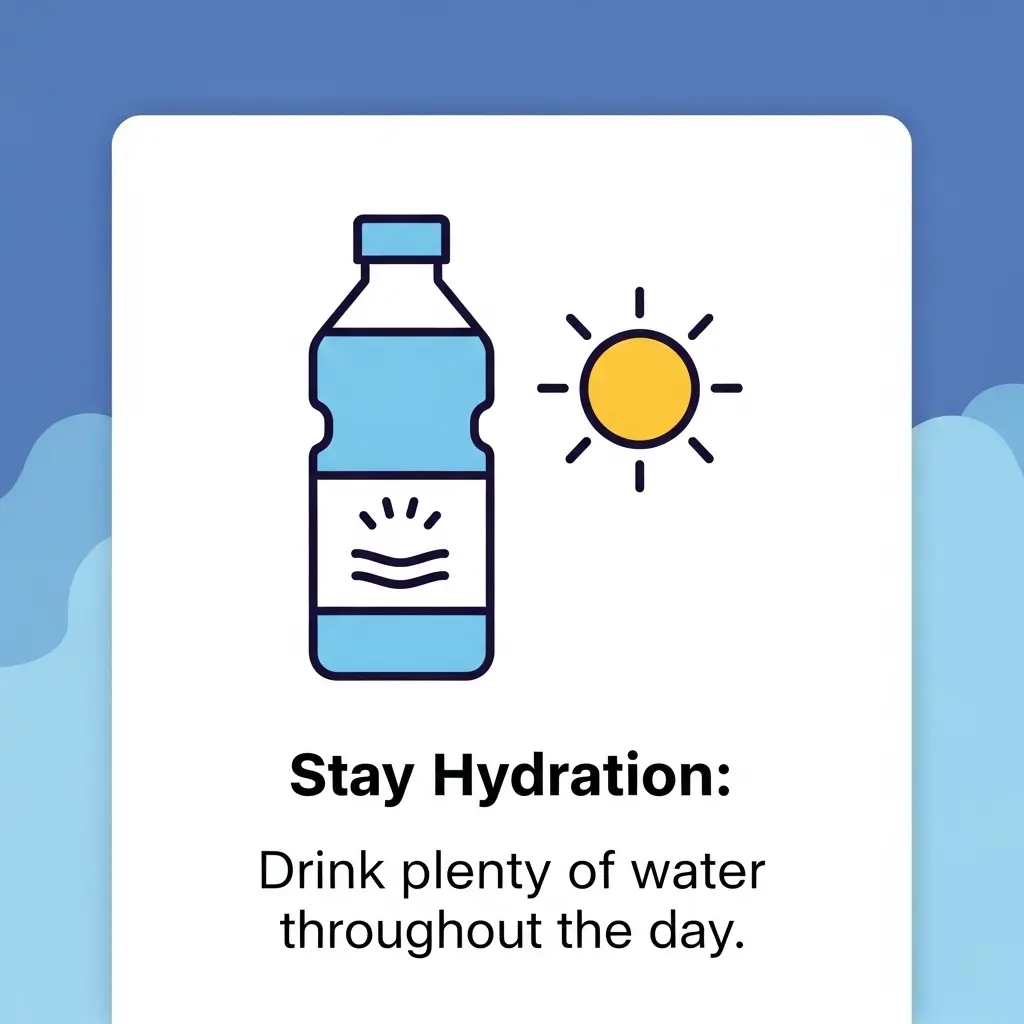
Drink water constantly, even if you do not feel thirsty, starting hours before the trip.
Desert Travel Health dictates that you should avoid excessive caffeine or alcohol before and during the safari.
These substances accelerate dehydration in the desert heat.
Sand Storms and Visibility: Desert Safety Precautions
While rare, sudden sand storms pose a Desert Safari Safety threat.
Carry a scarf or bandana to cover your mouth, nose, and eyes if visibility drops.
Trust the driver, who is trained to find a safe, sheltered position until the storm passes.
Your patience is a key component of Desert Safety Precautions during adverse weather.
5. Camp and Activity Safety: Safe Desert Tourism Practices
The camp is a place of relaxation and culture, but basic Desert Safari Safety still applies.
Maintaining awareness ensures a completely secure Safe Desert Tourism experience.
Safe Desert Tourism: Fire and Hygiene at the Camp
Be cautious around open fire pits used for cooking or atmosphere.
Supervise children closely near fire hazards and cooking areas.
Practice good hygiene, particularly when handling communal food at the buffet.
Only drink bottled water provided by the reputable Safe Desert Tourism operator.
Camel and Falcon Safety: Animal Interaction Guidelines
Camels are gentle animals, but they require respect.
Approach camels quietly and follow the handler’s directions precisely when mounting or dismounting.
Keep a respectful distance from the falcons, which are wild birds of prey.
Always listen to the handler’s instructions during the display for optimal Desert Safari Safety.
6. Emergency Protocol: Safari Emergency Guide
Knowing what to do in an emergency is part of a comprehensive Safari Emergency Guide.
Reliable operators always have clear, executable plans.
Communication: Staying Connected in the Desert
Professional safari vehicles are equipped with two-way radio communication systems.
These systems ensure rapid contact with the base camp and emergency services.
Cell service can be unreliable in remote areas, so rely on the guide’s expertise.
Your driver should always have a fully charged secondary communication device.
This readiness is central to the Safari Emergency Guide.
Safari First Aid: What Your Guide Should Carry
Your guide must be trained in basic Safari First Aid and CPR.
The vehicle should carry a comprehensive Safari First Aid kit, checked daily.
Contents should include dressings, antiseptic wipes, pain relievers, and treatments for heat exhaustion.
The immediate application of Safari First Aid can save lives in remote desert locations.
7. Special Traveler Needs: Health Safety Desert for Vulnerable Groups
Some groups require special attention to ensure their Desert Safari Safety.
A responsible operator accommodates these needs with tailored services.
Children and Elderly: Safari Safety Tips for All Ages
Children require constant supervision, especially near sand dunes and open fires.
Ensure the elderly are comfortable, offering shaded seating and easy access to facilities.
A private safari (booked via options like https://royaldesertadventures.ae/) allows for a customized, slower pace.
These adjustments are essential Safari Safety Tips for multi-generational travel.
Pregnant Travelers: Necessary Desert Safety Precautions
The high-impact nature of dune bashing is strictly prohibited for pregnant women.
Reputable operators will offer non-dune-bashing alternatives, such as a direct transfer to the camp.
Desert Safety Precautions require all pregnant guests to inform the operator at the time of booking.
This ensures a smooth, non-hazardous camp experience with minimal Desert Adventure Risks.
8. Vetting Your Vehicle: A Deep Dive into Safe Dune Bashing
A closer look at the vehicle’s condition is critical for Safe Dune Bashing.
Maintenance Records and Vehicle Age
Ask your operator about the age and maintenance frequency of their 4×4 fleet.
Modern, well-maintained vehicles with recent service history are a sign of dedication to Desert Safari Safety.
Poor maintenance dramatically increases the potential for breakdowns or accidents.
Choose quality over cost every time when evaluating Safe Dune Bashing options.
Vehicle Modification Standards
Vehicles used for dune bashing must have professional modifications.
This includes roll cages, heavy-duty suspension, and mandatory ground clearance.
These specifications are key Desert Safety Precautions against rollover and breakdowns.
9. Hydration Strategies: Mastering Desert Travel Health
Effective hydration is more complex than simply drinking water.
Mastering these strategies is paramount for Desert Travel Health.
| Timeframe | Recommended Action | Focus Keyword Relevance |
| Pre-Tour | Consume electrolytes (salts) and at least 1 litre of water. | Desert Travel Health |
| During Dune Bashing | Sip small amounts of water periodically. | Desert Safari Safety |
| At Camp | Drink water, not just sugary juices. | Health Safety Desert |
| Post-Tour | Continue rehydration for several hours. | Desert Adventure Risks |
10. Dealing with Desert Adventure Risks: Insects and Wildlife
While the desert is not teeming with wildlife, certain Desert Adventure Risks exist.
Avoiding Bites and Stings
Wear closed-toe shoes at the camp, especially after dark.
Scorpions and snakes are rare but can be present in undisturbed areas.
Never wander off alone at night; this is a basic Safari Safety Tips rule.
If bitten, apply immediate Safari First Aid and alert your guide instantly.
Wildlife Observation
Desert Wildlife Safari activities must be safe and respectful.
Keep a safe distance from all animals, even seemingly docile ones.
Your guide will ensure safe viewing distances for the Arabian Oryx or gazelles.
11. Booking and Insurance: Completing Your Desert Safari Safety Net
Completing your preparation with the right booking decisions ensures a complete safety net.
Travel Insurance Coverage
Ensure your travel insurance explicitly covers high-risk activities like dune bashing.
Many standard policies exclude such adventure sports.
Confirmation of coverage is a vital final step for Desert Safari Safety.
Consult reliable booking sources like https://hafiztourism.com/ to find operators who prioritize insurance.
The Internal Link Advantage
For travelers seeking maximum Desert Safari Safety through premium vetting, a specialized provider is best.
High-end operators, like those found through https://royaldesertadventures.ae/, often employ stricter safety standards.
This premium approach minimizes Desert Adventure Risks.
12. Desert Safety Precautions: A Cultural Requirement
Respecting local customs is also a form of Desert Safety Precautions.
Cultural Sensitivity and Dress Code
Modest dressing is a sign of respect and reduces unwanted attention.
This creates a smoother, more welcoming environment for your entire trip.
Polite adherence to cultural norms is a crucial part of Safe Desert Tourism.
Alcohol Consumption
If your camp offers alcohol, consume it responsibly and discreetly within the designated area.
Excessive consumption can impair judgment and compromise Desert Safari Safety.
Remember that you are in a conservative environment.
13. Advanced Health Safety Desert Planning
Taking advanced steps ensures readiness for any scenario.
Food Allergy Management
Inform your operator about any food allergies well in advance of the tour.
Reputable operators will manage allergens meticulously at the camp buffet.
Clear communication is key to preventing Health Safety Desert incidents.
Sunstroke and Heat Exhaustion
Know the symptoms: dizziness, nausea, headache, and confusion.
If you or a companion experience these, immediately move to shade and use cool compresses.
Your guide, trained in Safari Emergency Guide protocol, will administer necessary Safari First Aid.
14. The Final Word on Desert Safari Safety
A Desert Safari Safety checklist should always be at the forefront of your planning.
By prioritizing safety, you ensure your Arabian adventure is not only thrilling but also perfectly secure.
Enjoy the majesty of the dunes with peace of mind.
Frequently Asked Questions (FAQs) – Long Answers
1. Who should absolutely avoid the dune bashing activity, and what alternatives are available to them?
Individuals who should absolutely avoid the dune bashing activity for Desert Safari Safety reasons include pregnant women, people with serious back, neck, or spinal injuries, those with recent surgery (especially abdominal), and anyone with a pre-existing heart condition. The extreme, high-impact forces and jarring movements can pose significant health risks. Alternatives available include a direct transfer to the camp via a smooth, non-dune route, usually in a separate vehicle. This ensures the traveler can still enjoy the cultural camp activities, dinner, and performances without compromising their Health Safety Desert.
2. What is the minimum standard of vehicle maintenance and safety equipment a traveler should expect for safe dune bashing?
For Safe Dune Bashing, a traveler should expect the minimum standard to include professionally installed roll cages and heavy-duty suspension systems. Vehicles must be new or nearly new and undergo daily inspection. Essential safety equipment includes working seatbelts for all passengers, a GPS tracking system for remote location, and a fully stocked, up-to-date Safari First Aid kit. Reputable operators also ensure tires are correctly deflated for optimal sand grip and a smoother, more controlled ride, mitigating Desert Adventure Risks.
3. How crucial is carrying personal medical information and what items should be included in a personal Safari First Aid kit?
Carrying personal medical information is extremely crucial for overall Desert Safari Safety. This should include a list of known allergies, emergency contact numbers, and any chronic medical conditions or regular medications. A personal Safari First Aid kit should contain blister plasters, pain relievers (Paracetamol/Ibuprofen), antacid tablets, antihistamines for unexpected allergies, rehydration salts to combat heat exhaustion, and any essential prescription medicines that might be needed quickly, ensuring proactive Desert Travel Health.
4. How does a reputable safari operator handle a medical emergency or a vehicle breakdown in a remote desert location?
A reputable safari operator follows a strict Safari Emergency Guide protocol. For a medical emergency, the guide immediately applies basic Safari First Aid, contacts the base camp via two-way radio or satellite phone, and the camp coordinates with external emergency services (ambulance/rescue team). For a vehicle breakdown, the vehicle is quickly secured, the base camp is notified of the GPS location, and a fully equipped replacement vehicle is dispatched immediately, often from another driver in the convoy or a nearby staging area.
5. What are the specific Health Safety Desert precautions recommended for travelers with severe food allergies when dining at the camp buffet?
Travelers with severe food allergies must prioritize communication for Health Safety Desert. They should inform the operator about their allergies at the time of booking. Upon arrival at the camp, the traveler should speak directly to the camp manager or catering staff. Reputable operators, committed to Safe Desert Tourism, will often offer to walk the guest through the buffet and point out safe dishes, or in premium packages (like those found on https://royaldesertadventures.ae/), they may prepare a special, sealed meal in a controlled environment to avoid cross-contamination.
6. Why is dehydration the most significant of all Desert Adventure Risks, and what are the less obvious symptoms to watch for?
Dehydration is the most significant of all Desert Adventure Risks because it can escalate rapidly to heat exhaustion or sunstroke in the desert’s extreme heat and low humidity. Less obvious symptoms to watch for include sudden headache or lightheadedness, extreme thirst, muscle cramps, and dark-colored urine. Ignoring these signs can lead to confusion and loss of consciousness, compromising overall Desert Safari Safety. Constant sipping of water, rather than large gulps, is the best mitigation strategy for excellent Desert Travel Health.
7. What are the Desert Safety Precautions that should be taken regarding photography, particularly concerning local people and restricted areas?
Desert Safety Precautions regarding photography are essential for cultural respect and avoiding legal issues. Do not photograph local people, especially women and children, without their explicit verbal consent; this is a serious cultural rule. Do not take photos of any security personnel, military installations, or government buildings during the transit phase. Focus your camera on the natural dunes, your group, and the paid performers. Respecting these rules is a vital part of Safe Desert Tourism.
8. How does the choice of tour package (e.g., standard vs. private) influence the level of Desert Safari Safety provided to the traveler?
The choice of tour package significantly influences the level of Desert Safari Safety. While all tours must meet minimum safety standards, private or premium packages (often found via external links like https://hafiztourism.com/) generally offer enhanced safety features. These include: newer, better-maintained vehicles, guides with superior training and fewer passengers to manage, flexible schedules that avoid the hottest times of the day, and dedicated attention for immediate Safari First Aid if needed.
9. What advice is given regarding the proper use of seatbelts during the dune bashing, and what should passengers avoid doing inside the vehicle?
For optimal Safe Dune Bashing, passengers must keep their seatbelts securely fastened at all times until the driver explicitly signals that it is safe to unbuckle. Passengers should avoid excessive movement inside the cabin, never lean out of windows or sunroofs, and refrain from eating or drinking large amounts just before or during the ride to prevent motion sickness. Following the driver’s instructions without hesitation is the most important Desert Safari Safety rule inside the 4×4.
10. What specific Health Safety Desert rules apply to children and the elderly during the Desert Safari experience?
For children and the elderly, Health Safety Desert requires several specific rules. Children must be closely supervised at all times, particularly around camp activities and open sand areas. Ensure they are well-hydrated and wear proper sun protection. The Elderly should choose easier activities, be provided with shaded and comfortable seating immediately upon arrival, and ensure they have easy access to the toilet facilities. Both groups should avoid the most strenuous activities, ensuring their experience meets the highest Desert Safari Safety standards.
11. What kind of communication equipment do professional safari operators use to ensure the Safari Emergency Guide protocol can be executed in remote areas?
Professional safari operators rely on a hierarchy of communication equipment to execute the Safari Emergency Guide protocol in remote areas. This typically includes: 1. Two-Way VHF Radios: The primary tool for communicating between convoy vehicles and the base camp. 2. Satellite Phones: Used as a backup in areas with no cellular signal for direct contact with external emergency services. 3. GPS Tracking Systems: Installed in all vehicles, allowing the base camp to monitor the exact location of the convoy for rapid response and resource deployment.
12. What are the key elements of an effective Safari First Aid kit that a reliable operator should carry in their 4×4?
An effective Safari First Aid kit carried by a reliable operator should include much more than basic plasters. Key elements are: Sterile Dressings and Bandages for wounds, Antiseptic Wipes and Solutions, Disposable Gloves, Thermal Blanket for shock or cooling, Rehydration Salts for heat exhaustion, a Splint for immobilizing limbs, a Tourniquet, and a range of common over-the-counter medications like pain relievers and anti-diarrhea tablets. The kit must be easily accessible and regularly checked for compliance with Desert Safari Safety standards.
13. How can travelers find reliable reviews on operator safety records, and which external links are useful for comparison?
Travelers can find reliable reviews on operator safety records by utilizing reputable external links and focusing on content quality. Use platforms like https://dubaidesertsafarie.com/ and https://hafiztourism.com/, which aggregate customer feedback. When comparing, look for reviews that specifically mention vehicle condition, driver professionalism, and the clear communication of safety rules. Avoid reviews that focus only on low price. A pattern of positive comments regarding safety and professionalism is the best indicator of a truly Safe Desert Tourism operator.
14. Besides dehydration, what other crucial Desert Travel Health risks should travelers be aware of, and how can they be prevented?
Besides dehydration, crucial Desert Travel Health risks include sunstroke (heat stroke) and sand-related irritations. Sunstroke is a severe condition caused by prolonged sun exposure; it is prevented by wearing a hat, seeking shade, and proper hydration. Sand-related irritations include eye irritation (prevented by sunglasses) and respiratory issues during windy conditions (prevented by wearing a scarf or mask over the mouth and nose). Vigilance and proper attire are the best Desert Safety Precautions.
15. What is the role of the internal link https://royaldesertadventures.ae/ in ensuring premium Desert Safari Safety standards for travelers?
The role of the internal link https://royaldesertadventures.ae/ is to offer travelers a pathway to premium, vetted, and highly customized experiences that emphasize Desert Safari Safety. Premium operators generally operate with smaller groups, allowing for more individualized attention from the guide. They invest more heavily in newer, better-maintained vehicles and higher-level driver training. By choosing a private or luxury experience, travelers effectively purchase a higher level of Desert Safari Safety due to the enhanced focus on service, safety protocols, and superior vehicle quality.