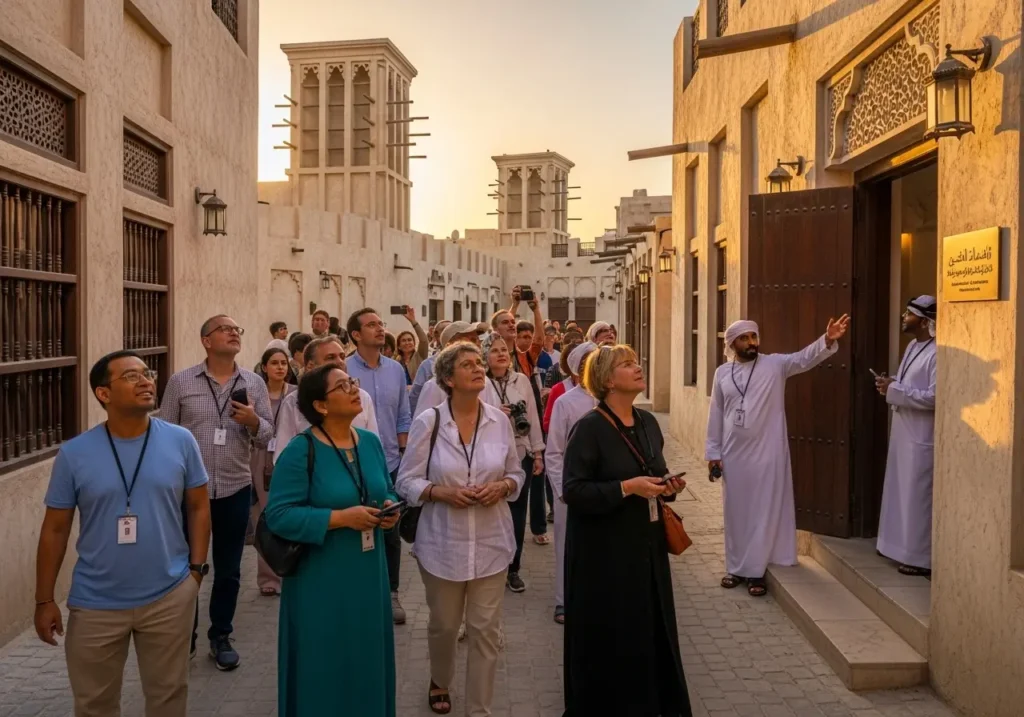
The Ultimate Guide to Dubai Heritage Walking Tours: A Journey Through Time
In the heart of the world’s most futuristic city lies a beautifully preserved world of history, culture, and tradition. This is your ultimate guide to the Dubai Heritage Walking Tours, an immersive journey on foot through the captivating alleyways of Old Dubai. This is your chance to step away from the glittering skyscrapers and discover the authentic, beating heart of the emirate.
This in-depth exploration will take you on a tour of the city’s most historic and atmospheric districts. We will wander through the coral-stone houses of the Al Fahidi Historical Neighbourhood, cross the bustling Dubai Creek on a traditional abra, and immerse our senses in the vibrant chaos of the Gold and Spice Souks. This is a comprehensive look at the Dubai Heritage Walking Tours experience, designed to help you plan the perfect, enriching, and unforgettable day out for 2025.
We will delve into the treasure-filled halls of the Dubai Museum, learn about local customs at the Sheikh Mohammed Centre for Cultural Understanding, and provide you with all the essential insider tips to navigate this pedestrian-friendly paradise like a pro.
Prepare to be captivated by a story of a bygone era, beautifully brought back to life. This guide to Dubai Heritage Walking Tours is your key to unlocking the authentic soul of this incredible city, proving that its richest treasures are often found in its oldest corners.
The Soul of the City: Understanding Old Dubai
The core of all Dubai Heritage Walking Tours is the magnificent area known as Old Dubai. This is not a single location, but a collection of historic districts clustered around the iconic Dubai Creek.
A Tale of Two Banks: Bur Dubai and Deira
The Dubai Creek, a natural saltwater inlet, has always been the city’s lifeline. It divides Old Dubai into two distinct and equally fascinating districts.
- Bur Dubai (on the western bank): This is the historic, administrative side, home to the Al Fahidi Historical Neighbourhood, the Dubai Museum, and the Textile Souk.
- Deira (on the eastern bank): This has always been the commercial heart, and it is where you will find the world-famous Gold, Spice, and Perfume Souks.
The Architecture of the Past: A Visual Feast
A walk through Old Dubai is a journey through a unique architectural landscape.
- The Coral-Stone Houses: You will be surrounded by beautifully restored, traditional houses that were built from coral stone and gypsum.
- The
BarjeelWind Towers: Look up to see the ingeniousbarjeel, or wind towers. This is a traditional and sustainable form of air conditioning that would catch the breeze and funnel it down into the rooms of the house to create a natural cooling effect. - The
Sikkas(Alleyways): The entire Al Fahidi district is a labyrinth of narrow, shaded, and pedestrian-only alleyways, known assikkas. These are a joy to explore and provide a cool and peaceful escape from the sun.
The Magic of Exploring on Foot
The only way to truly experience the magic and the intricate details of Old Dubai is on foot. The narrow alleyways, the hidden courtyards, and the bustling souks are inaccessible to cars, making this a perfect and immersive environment for a walking tour. This is the essence of the Dubai Heritage Walking Tours experience.
The Ultimate Itinerary: A Deep Dive into the Sites on Dubai Heritage Walking Tours
Old Dubai is packed with an incredible array of world-class museums, traditional souqs, and beautifully restored heritage houses. Let’s explore the must-see stops on your journey.
The Al Fahidi Historical Neighbourhood (Bur Dubai): A Step Back in Time
This is the beautifully preserved heart of Old Dubai and the perfect starting point for your Dubai Heritage Walking Tours.
The Museums and Galleries:
- The Dubai Museum (Al Fahidi Fort): Housed within the oldest existing building in the city (dating back to 1787), this is an essential first stop. The museum’s underground galleries feature magnificent, life-sized dioramas that bring the Dubai of the past to life.
- The Coffee Museum: A charming and fragrant museum that tells the story of coffee’s journey around the world. You can see antique coffee grinders and pots and enjoy a cup of traditional Arabic or Ethiopian coffee.
- The Coin Museum: A small but fascinating museum showcasing over 500 rare coins from across the Middle East.
- The Art Galleries: The restored courtyard houses of Al Fahidi are home to a number of excellent, independent art galleries, most notably the XVA Art Gallery, which also has a beautiful, shaded courtyard cafe.
The Sheikh Mohammed Centre for Cultural Understanding (SMCCU): This is one of the most valuable experiences you can have in Old Dubai. The SMCCU operates under the official motto of “Open Doors, Open Minds.”
- The Tours and Meals: They offer fantastic, guided heritage tours of the neighborhood and traditional Emirati breakfast or lunch experiences, where you can sit on the floor of a beautiful courtyard, enjoy authentic local food, and ask a local Emirati host any question you have about the culture.
The Dubai Creek: The City’s Historic Lifeline
No Dubai Heritage Walking Tours experience is complete without a journey across the bustling Dubai Creek.
The Abra Ride: The One-Dirham Wonder: The most authentic way to cross the creek is to take a traditional wooden water taxi, or “abra.” For the incredible price of just one dirham, you can join the locals for a beautiful, five-minute journey from the Bur Dubai Abra Station to the Deira Old Souk Abra Station. The views of the bustling waterway, with its traditional dhows and modern buildings, are spectacular.
The Souks of Deira: A Feast for the Senses
Once you have crossed the creek, you will be in the heart of Deira’s traditional markets. This is a vibrant, chaotic, and wonderfully sensory part of the Dubai Heritage Walking Tours.
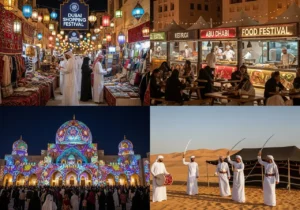
The Gold Souk: This is a dazzling, world-famous market with hundreds of shops selling intricate gold jewelry. Even if you are not planning to buy, the sheer spectacle of the window displays, including record-breaking gold rings, is an incredible sight to behold.
The Spice Souk: This is perhaps the most atmospheric of all the souks. As you wander through its narrow alleyways, your senses will be overwhelmed by the fragrant aromas of a thousand different spices, from mounds of colorful turmeric and cumin to fragrant cinnamon sticks and dried lemons.
The Perfume Souk: Discover the traditional scents of Arabia in the Perfume Souk. Here, you can find beautiful, ornate perfume bottles and have a custom fragrance blended for you, with popular scents including traditional oud, amber, and musk.
The Al Shindagha Historic District
Located at the mouth of the creek, the Al Shindagha district is another beautifully restored heritage area.
- The Al Shindagha Museum: This is a state-of-the-art museum that tells “The Story of the Creek” through a series of immersive, multimedia exhibits.
- The Perfume House: A beautiful, traditional house that has been converted into a museum that tells the story of the UAE’s rich perfume-making heritage.
A Practical Guide for Your 2025 Walking Tour
To make the most of your Dubai Heritage Walking Tours, a little bit of planning is key.
The Best Time of Year and Day to Visit
The best time of year to embark on a walking tour is during the UAE’s beautiful and mild winter season, from late October to April.
The best time of day to start your tour is in the morning, around 9:00 AM or 10:00 AM. This allows you to explore the outdoor areas in the cool morning air and to visit the souks before they get too crowded in the evening.
What to Wear: A Guide to Respectful Attire
As you will be visiting a historic and more traditional part of the city, it is important to dress modestly out of respect for the local culture.
- For Men and Women: Your clothing should cover your shoulders and your knees.
- Comfort is Key: Most importantly, wear your most comfortable walking shoes, as you will be on your feet for several hours.
Getting There with Public Transport
The area is very well-served by the Dubai Metro. The Al Fahidi and the Sharaf DG stations on the Green Line are the perfect starting points for your walk through the Al Fahidi neighbourhood.
Integrating Your Heritage Walk with a Modern Adventure
A Dubai Heritage Walking Tours experience is a deep and enriching dive into the cultural soul of the Emirates. To create a truly unforgettable and well-rounded vacation, you can complement this journey into the past with a thrilling, modern adventure in the vast Arabian desert.
Imagine following up a morning of exploring museums and souqs with a spectacular evening desert safari. For a premium adventure, you can book an experience with a company like https://royaldesertadventures.ae/, where you can enjoy exhilarating 4×4 dune bashing as the sun sets over the golden sands, a peaceful camel ride, and a delicious barbecue dinner at a traditional Bedouin-style camp with live entertainment.
To craft a complete and seamless itinerary that combines the best of Dubai’s attractions, it is wise to work with experienced local tour operators. Reputable companies such as https://dubaidesertsafarie.com/ offer a comprehensive range of city tours and desert adventures. For planning diverse excursions across the UAE, https://hafiztourism.com/ is another excellent and trusted partner that can help you organize your perfect trip.
Frequently Asked Questions (FAQs)
- What is the “Heart of Old Dubai”? The heart of Old Dubai is the area surrounding the historic Dubai Creek. This is divided into two main districts that are essential for any Dubai Heritage Walking Tours: Bur Dubai on the west bank, which is home to the Al Fahidi Historical Neighbourhood and the Dubai Museum, and Deira on the east bank, which is famous for its traditional Gold, Spice, and Perfume Souks.
- Is it easy to do a self-guided walking tour of the area? Yes, it is incredibly easy and highly recommended. The entire Al Fahidi district is a pedestrian-only zone with clear signage. The best approach is to simply get lost in the beautiful, winding alleyways. Crossing the creek on an abra to the souks is also a very simple and straightforward process.
- What is the best starting point for a walking tour? The best starting point is the Al Fahidi station on the Dubai Metro’s Green Line. From there, it is just a short walk to the entrance of the Al Fahidi Historical Neighbourhood. Starting your exploration at the Dubai Museum within the Al Fahidi Fort is a fantastic way to get a historical context for the entire area.
- How much time should I plan for a walking tour of Old Dubai? To see all the main highlights—the Al Fahidi district, a ride on the creek, and a visit to the main souks—at a comfortable pace, you should plan for a half-day tour of at least 4 to 5 hours. If you are a keen photographer or a history buff, you could easily spend a full day exploring.
- What is the best time of year to do a walking tour in Dubai? The best time is during the UAE’s beautiful and mild winter season, which runs from late October to April. The weather during these months is perfect for being outdoors and for a long and enjoyable day of walking. It is not advisable to attempt a long walking tour during the intense heat of the summer.
- What is the dress code for visiting the historic area? As you will be visiting a more traditional and historic part of the city, it is important to dress modestly out of respect for the local culture. For both men and women, your clothing should cover your shoulders and your knees. Most importantly, you must wear very comfortable walking shoes.
- Is it expensive to explore Old Dubai? No, this is one of the most budget-friendly and rewarding of all the Dubai Heritage Walking Tours. The entry fee for the Dubai Museum is very nominal. The abra ride across the creek is just one dirham. And wandering through the souks and the Al Fahidi district is completely free.
- What is an “abra”? An “abra” is a traditional wooden boat that serves as a water taxi, ferrying people across the Dubai Creek. The journey is a five-minute, authentic, and incredibly scenic experience. It is the most beloved and cheapest form of public transport in the city.
- What is the Sheikh Mohammed Centre for Cultural Understanding (SMCCU)? The SMCCU is a fantastic cultural center located in the Al Fahidi district. They operate under the official motto of “Open Doors, Open Minds” and offer a range of brilliant activities, including guided heritage tours and traditional Emirati meals, where you can ask a local host any question you have about the culture.
- Is it safe to haggle or bargain in the souks? Yes, in the Gold, Spice, and Textile Souks, a friendly and respectful haggle is often expected and is part of the authentic marketplace experience. However, prices in the cafes and restaurants are always fixed.
- What is a “barjeel”? A
barjeelis a traditional wind tower, which is an ingenious and beautiful architectural feature that you will see on many of the restored heritage houses in the Al Fahidi district. It is an early and sustainable form of air conditioning, designed to catch the breeze and funnel it down into the rooms of the house. - Are there good dining options in Old Dubai? Yes, Old Dubai is a paradise for authentic and affordable food. The area is filled with fantastic, traditional restaurants and cafeterias where you can sample delicious Emirati, Indian, and Pakistani cuisine for a fraction of the price of the restaurants in the newer parts of the city.
- Is the area suitable for families with young children and strollers? Yes, it is a fantastic destination for families. The entire Al Fahidi district is car-free, making it very safe for children to walk around. The pathways are smooth and stroller-friendly. The interactive exhibits in the museums and the boat ride on the creek are a huge hit with kids.
- How is the Al Shindagha historic district different from Al Fahidi? The Al Shindagha district, located at the mouth of the creek, is another beautifully restored heritage area. Its main attraction is the state-of-the-art Al Shindagha Museum, which uses modern, multimedia exhibits to tell “The Story of the Creek” and the history of Dubai. It is a fantastic and more modern complement to the traditional Dubai Museum in Al Fahidi.
- What is the single most unique thing about a historic walking tour in Dubai? The most unique thing is the incredible and surreal contrast. The experience of stepping out of a futuristic, driverless Metro train and, within a few minutes, finding yourself lost in the quiet, shaded, and timeless alleyways of a 19th-century pearling village is a powerful and unforgettable journey that perfectly encapsulates the unique story of Dubai.
The Unforgettable Soul of the City of Gold
This guide to Dubai Heritage Walking Tours reveals a side of the city that is rich, authentic, and deeply connected to its roots. It is a world that is a complete and wonderful contrast to the modern, glittering metropolis that surrounds it.
A journey on foot through the restored alleyways of Al Fahidi and the bustling souks of Deira is a journey back in time. It is a chance to disconnect from the modern world and to reconnect with the authentic, timeless soul of Arabia. For any visitor seeking a truly meaningful and enriching experience, a walking tour of this magnificent district is an absolute and unforgettable must-do.