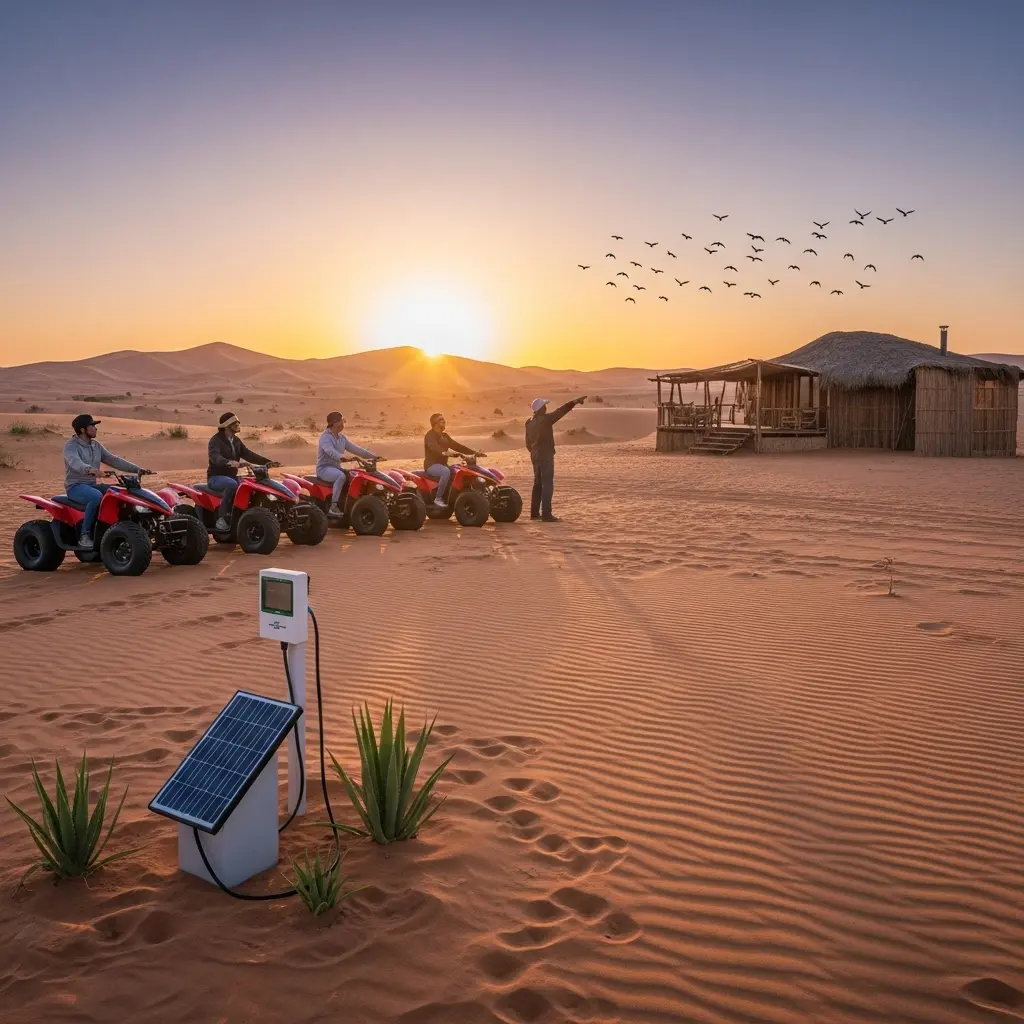
A Guide to the Sustainable Desert Safari: Traveling with Purpose
As travelers, we hold a shared responsibility to protect the beautiful places we explore. In the heart of the Arabian Peninsula, where the modern metropolis of Dubai meets the timeless desert, this responsibility takes on a special significance. The desert is not a barren wasteland; it is a delicate and vibrant ecosystem. Choosing a Sustainable Desert Safari is the most powerful way to ensure that your incredible adventure contributes positively to the preservation of this unique environment and its rich cultural heritage.
But what does a Sustainable Desert Safari actually look like? It goes far beyond simply recycling a water bottle. It is a thoughtful approach to travel that encompasses environmental protection, cultural respect, and economic support for the local community. It’s about choosing an experience that leaves the desert and its traditions just as beautiful as you found them, if not better.
This comprehensive guide is designed for the eco-conscious traveler. We will explore the core principles of sustainable tourism in the desert, provide you with actionable tips on how to choose a responsible operator, and show you how your choices can make a real difference in preserving this magical landscape for generations to come.
What Defines a Sustainable Desert Safari?
To make an informed choice, it’s crucial to understand the three pillars that define a truly Sustainable Desert Safari. It is a holistic approach that balances the needs of the environment, the culture, and the local economy.
1. Environmental Protection
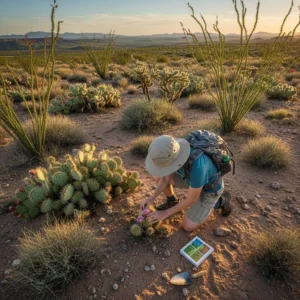
This is the most obvious pillar. A sustainable operator is deeply committed to minimizing their ecological footprint. This includes using designated routes to avoid damaging fragile desert flora, implementing rigorous waste management and recycling programs, conserving water and energy at their campsites (often using solar power), and, most importantly, actively participating in the protection of native wildlife.
2. Cultural Preservation
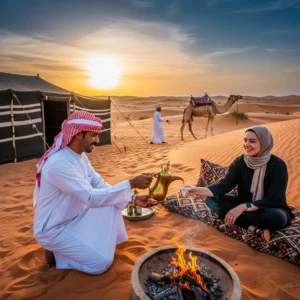
Sustainability is also about people. An ethical safari respects and honors the local Bedouin heritage. This means presenting the culture in an authentic and dignified manner, not as a caricature. It involves providing a platform for traditional arts and fairly compensating the local artists, performers, and storytellers who are the custodians of this intangible heritage. A Sustainable Desert Safari is a cultural exchange, not just a show.
3. Economic Support for the Local Community
Responsible tourism ensures that the economic benefits of your trip are felt by the local community. A Sustainable Desert Safari operator will prioritize hiring local guides, sourcing food from local suppliers, and partnering with local businesses. This ensures that your tourism spending supports the local economy and contributes to the well-being of the people whose culture you have come to experience.
The Environmental Pillar: Minimizing Your Impact
The desert ecosystem is incredibly fragile. The actions of a tour operator have a direct impact on its health.
The Gold Standard: Operating in a Protected Reserve
The single most effective way to choose an environmentally responsible tour is to select an operator that is licensed to work within the Dubai Desert Conservation Reserve (DDCR). The DDCR is a vast, protected area where all activities are strictly regulated to protect the ecosystem. Operators here must adhere to rules on vehicle speeds, designated routes, and wildlife interaction, making them the top choice for a Sustainable Desert Safari.
Responsible Off-roading
While thrilling, dune bashing can cause significant damage if done irresponsibly. Driving over desert vegetation can destroy fragile plants that take years to recover and are crucial for binding the sand and preventing erosion. Sustainable operators use established, designated corridors for their adventure driving, ensuring the conservation of the wider landscape.
Commitment to Reducing Waste
Look for operators who have a clear and stated policy on waste. The best companies have eliminated single-use plastics, providing guests with reusable water bottles and filtered water stations. They have comprehensive recycling programs at their camps and operate on a strict “leave no trace” principle, ensuring the desert is left pristine.
The Cultural Pillar: Engaging with Heritage Respectfully
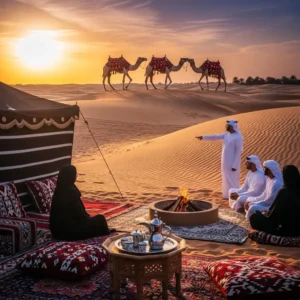
A Sustainable Desert Safari provides a genuine window into Emirati heritage, not a staged, inauthentic show.
Authenticity in the Experience
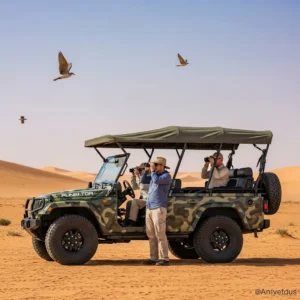
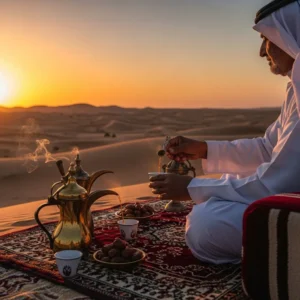
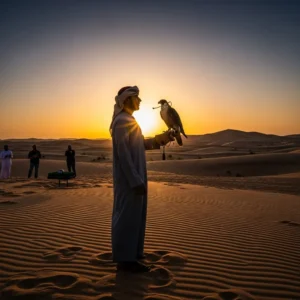
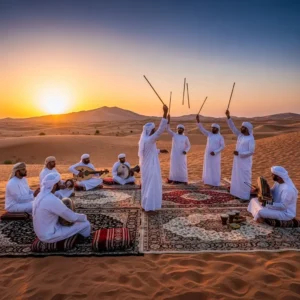
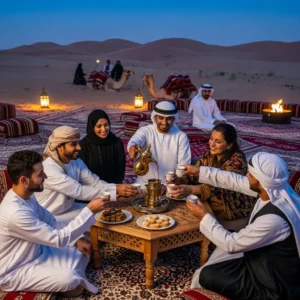
A responsible tour will focus on authentic traditions like falconry, the coffee ritual, and storytelling, and will take the time to explain their cultural significance. While entertainment like belly dancing is popular, an authentic operator will be honest about its pan-Arab, rather than purely Emirati, origins. Choosing a dedicated “heritage safari” from a provider like https://royaldesertadventures.ae/ can often guarantee a more authentic cultural focus.
Supporting Local Artists
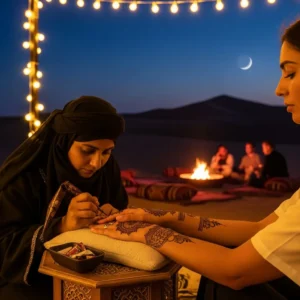
The safari provides a vital stage for cultural practitioners. A Sustainable Desert Safari ensures that the henna artists, the Ayyala dance troupes, and the falconers are respected professionals who are compensated fairly for sharing their incredible skills. Your tour is directly contributing to keeping these arts alive.
The Economic Pillar: Ensuring Your Money Makes a Difference
Your choice of tour operator has a direct economic impact.
A truly Sustainable Desert Safari is one that is deeply integrated with the local economy. This means the company is locally owned and operated, it employs Emirati guides and staff where possible, and it sources its supplies—from the food for the BBQ to the handicrafts in the souvenir shop—from local businesses. This creates a positive economic ripple effect that benefits the entire community. Researching operators on platforms like https://dubaidesertsafarie.com/ or https://hafiztourism.com/ can often give you insights into a company’s local credentials.
A Checklist for the Eco-Traveler
Use this checklist to assess a tour operator before you book:
- Environmental Responsibility:
- Do they operate within the Dubai Desert Conservation Reserve (DDCR)?
- Do they have a stated environmental policy on their website?
- What are their policies on waste management and single-use plastics?
- Do they mention using designated routes for dune bashing?
- Cultural Responsibility:
- Do they offer authentic cultural experiences like falconry and storytelling?
- Are their guides trained in local heritage and culture?
- Do they showcase and support local artists and performers?
- Economic Responsibility:
- Is the company locally owned and operated?
- Do they mention hiring local guides and staff?
- Do they partner with local communities or suppliers?
- Animal Welfare:
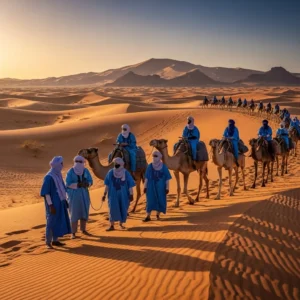
- Do they have a clear policy on the ethical treatment of their camels?
- Are the camels well-fed, hydrated, and given adequate rest?
A Sustainable Safari Operator Checklist
Frequently Asked Questions (FAQs)
1. What is the environmental impact of dune bashing? If done irresponsibly, the impact can be severe. Driving randomly across the desert can destroy the fragile vegetation that stabilizes the dunes and provides food for wildlife. It can also disturb animal habitats. However, in a Sustainable Desert Safari model, especially within the DDCR, vehicles are restricted to specific, designated corridors. This contains the impact in a small, managed area, preserving the vast majority of the ecosystem in its pristine state.
2. How can I know if the camels on a safari are treated ethically? Look for signs of a healthy animal: a clear coat, a bright and alert demeanor, and a full, firm hump. The animal should not have any visible sores or injuries. A responsible operator will also ensure the camels are not overworked; they should be given regular breaks, plenty of water, and not be made to carry excessively heavy loads. The leading operators for a Sustainable Desert Safari often have a stated animal welfare policy.
3. How can I offset the carbon footprint of my desert safari? Offsetting the carbon footprint of the 4×4 vehicle is a great step for an eco-conscious traveler. You can do this by donating to a certified carbon offset program that invests in renewable energy projects or reforestation initiatives. Some forward-thinking safari operators may even offer this as an option at the time of booking.
4. What is the Dubai Sustainable Tourism (DST) initiative? DST is a government initiative that aims to position Dubai as a leading sustainable tourism destination. It provides a framework and resources for hotels and tour operators to improve their environmental and social performance. Looking for an operator that is a member of or is certified by DST is a strong indicator of their commitment to sustainability.
5. Does the water used at desert camps impact the local water table? This is a very important consideration in an arid region. A Sustainable Desert Safari operator will have invested in water conservation technologies. This can include using low-flow taps and toilets, recycling greywater for irrigation, and having a clear policy to manage water usage responsibly. Less reputable camps may truck in water with less concern for conservation, putting a strain on resources.
6. What happens to the food waste from the large safari buffets? A responsible operator will have a food waste management plan. This often involves partnering with local organizations to donate untouched, surplus food. Food scraps are often composted or, in some cases, given to local farms for animal feed. The goal of a Sustainable Desert Safari is to minimize the amount of waste that ends up in a landfill.
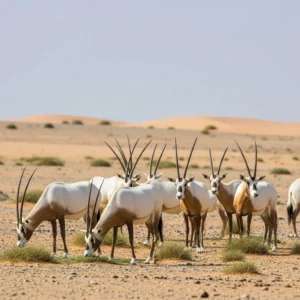
7. How does a sustainable safari help protect wildlife like the Arabian Oryx? It helps in several ways. Firstly, a portion of the gate fees for entering a protected reserve like the DDCR goes directly back into funding the conservation and anti-poaching patrols. Secondly, the presence of responsible tour vehicles in the reserve can act as a deterrent to illegal activities. Finally, by educating visitors about the incredible conservation story of the Oryx, it builds global awareness and appreciation for these animals.
8. Are there any opportunities for tourists to volunteer in desert conservation in Dubai? Yes, there are. Organizations like the Emirates Environmental Group (EEG) and local conservation bodies sometimes organize public volunteer events, such as desert clean-up drives or tree-planting initiatives. For those staying longer in Dubai, these can be fantastic opportunities to get hands-on experience in protecting the local environment.
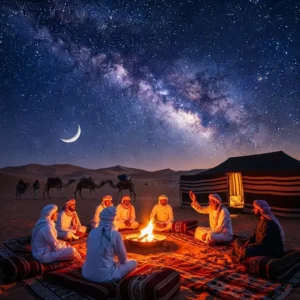
9. What is “light pollution,” and how do sustainable camps manage it? Light pollution from cities obscures the night sky. A good desert camp should offer a brilliant view of the stars. A Sustainable Desert Safari camp will manage its lighting responsibly. This means using shielded, downward-facing lights to minimize sky glow, and often having a “lights-out” period during the stargazing portion of the evening to allow for the best possible view of the night sky.
10. Is a private safari more or less sustainable than a group tour? This is a complex question. A private safari might seem less sustainable on a per-person basis, as a vehicle is used for a smaller number of people. However, a private tour with a highly responsible operator who follows all the rules of the DDCR is still far more sustainable than a large bus tour with a company that operates irresponsibly outside the reserve. The operator’s practices are more important than the size of the group.
11. What does “Leave No Trace” mean in a desert context? “Leave No Trace” is a set of principles for outdoor ethics. In the desert, it means packing out everything you pack in, including all trash. It means staying on designated trails to avoid damaging the delicate “biological soil crust.” It means observing wildlife from a distance and leaving any natural objects (rocks, plants) as you found them. A Sustainable Desert Safari operates on this core principle.
12. Does my choice of hotel in Dubai also impact sustainability? Yes, your choice of accommodation is a huge part of being an eco-conscious traveler. Many hotels in Dubai are now certified by programs like Green Key and are making significant efforts in water and energy conservation, waste reduction, and responsible sourcing. Combining a stay at a green-certified hotel with a Sustainable Desert Safari makes for a truly responsible holiday.
13. Are the souvenirs sold at the camp ethically sourced? This is an excellent question to ask. A sustainable operator will make an effort to sell authentic handicrafts that are sourced from local artisans, ensuring the money goes back to the community. Be wary of camps selling mass-produced, imported souvenirs. Buying authentic, locally made products is another way to support the local economy.
14. How can I dress sustainably for a desert safari? You can do this by choosing clothes made from natural, breathable fabrics like organic cotton, linen, or bamboo, which have a lower environmental impact than synthetic fibers. Also, instead of buying a new outfit, consider wearing what you already own. The most sustainable choice is always to reduce consumption.
15. What is the Dubai Desert Conservation Reserve (DDCR)? The DDCR is the first national park of the UAE. It is a massive, 225-square-kilometer protected area of the desert. Its mission is to protect the biodiversity of the Arabian desert and its heritage. It is a living laboratory for conservation, and the tourism program within it is carefully managed to be low-impact and sustainable.
16. Why are only a few operators allowed in the DDCR? Access to the DDCR is strictly limited to ensure a high-quality, low-impact tourist experience that does not disturb the environment. Operators must go through a rigorous vetting process and commit to following the reserve’s strict code of conduct. This exclusivity ensures that the reserve is not overcrowded and that its conservation mission remains the top priority.
17. How is the safari experience different inside the DDCR? Inside the DDCR, the focus is on nature and conservation. You will not see the large, bustling camps of the standard safaris. The camps are smaller and more intimate. The dune driving is gentler and follows specific routes to protect the land. The primary activity is wildlife spotting, offering a more serene and educational experience than a typical adventure safari.
18. Does a sustainable safari cost more than a regular one? Yes, a Sustainable Desert Safari, especially one that operates inside the DDCR, typically costs more than a standard budget safari. This higher price reflects the cost of the conservation fees paid to the reserve, the higher level of guide training, the superior quality of the camp and food, and the overall commitment to operating in a low-impact, sustainable manner.
19. What is the most impactful choice I can make as a tourist? Your single most impactful choice is the tour operator you select. By consciously choosing a company that demonstrates a clear commitment to environmental, cultural, and economic sustainability, you are casting a vote with your wallet. You are supporting the businesses that are doing things the right way and helping to create a tourism industry that protects, rather than harms, the destination you have come to enjoy.
20. Why is a Sustainable Desert Safari a more rewarding experience? It is more rewarding because it is a more meaningful experience. It moves beyond superficial entertainment and connects you to the desert on a deeper level. You leave not only with incredible memories and photos but also with a greater understanding of the desert’s delicate ecosystem, a deeper appreciation for Bedouin culture, and the satisfaction of knowing that your adventure made a positive contribution. It is travel that enriches both you and the destination.