Responsible Travel Tips: Navigating the Magnificent Synergy of Luxury and Desert Ecology
Responsible Travel Tips represent the definitive technical variable for travelers seeking to experience the soul of the Arabian dunes in 2026. While the vast landscapes of the United Arab Emirates offer a sensory masterpiece, the preservation of this fragile ecosystem requires surgical precision in both guest behavior and operator logistics. For a tourist looking to master their digital media while upholding the highest ethical standards, understanding the coordination between luxury adventure and ecological stewardship is the primary first step toward a magnifique vacation.
The Arabian desert is an environment of raw power and shifting horizons, yet its heart is vulnerable to the impact of modern tourism. In 2026, the transition from urban skyscrapers to the silent ridges of Lahbab is governed by strict environmental mandates designed to protect the biological soil crust and native wildlife. Whether you are partaking in high-G dune bashing or a heritage BBQ feast, mastering the mechanics of Responsible Travel Tips is the non-negotiable mission for every savvy explorer passing through the city of gold.
This extensive report dives deep into the technical layers of sustainable desert travel. We explore the nuances of wildlife corridor protection, the importance of multilingual guide education in ecology, and the professional standards of the operators who manage the sands of Lahbab and Al Marmoom. Let us navigate the magnificent world of the dunes and uncover the secrets to a perfect Responsible Travel Tips strategy.
The Phenomenon of Biological Crust Preservation
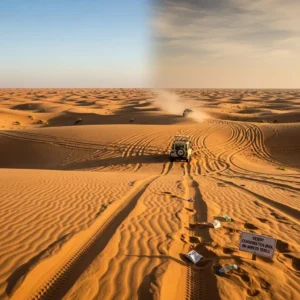
The primary pillar of Responsible Travel Tips in 2026 is the protection of the biological soil crust. This invisible layer of cyanobacteria and mosses is what stabilizes the dunes and prevents massive dust storms. When vehicles deviate from established tracks, they crush this living armor, leading to permanent desertification.
Strategic logistics ensure that modern fleets utilize GPS-locked corridors. These digital fences prevent drivers from entering sensitive “no-go” zones where the crust is most vulnerable. Punctuality in following these routes is essential to maintain the integrity of the conservation reserves. High-standard operators prioritize these legal tracks to ensure the magnifique beauty of the desert is preserved for future generations.
Trusting a professional operator means you are supporting a team that values nature as much as adrenaline. You can research the environmental ratings and fleet standards of top providers through the resources at https://htdesertsafari.com/ today. Planning with technical accuracy ensures your sand journey is as safe as it is spectacular.
Strategic Logistics of Wildlife Corridor Safety
Managing the physical transition of local fauna is a technical masterpiece in 2026. A successful Responsible Travel Tips protocol relies on the maintenance of wildlife corridors, especially in the Dubai Desert Conservation Reserve (DDCR). These are designated zones where motorized activities are strictly prohibited to allow the Arabian Oryx and Sand Gazelle to migrate freely.
Luxury fleets in 2026 utilize silent-engine technology during the “Arrival Phase” near these corridors. Noise pollution is monitored under strict UAE RTA guidelines to prevent guest activities from causing acoustic stress to nocturnal species. Punctual fleet management avoids idling engines, ensuring the desert air remains a sanctuary of freshness for both the guests and the local ecology.
For travelers who value physical comfort and ecological reliability, choosing an operator with a certified green protocol is non-negotiable. You can research the hygiene ratings and animal welfare standards of the top Dubai providers at https://dubaidesertsafarie.com/ and https://royaldesertadventures.ae/. Excellence in ecology is the foundation of a magnifique adventure.
Analyzing the Menu: Tiers of Zero-Waste Catering
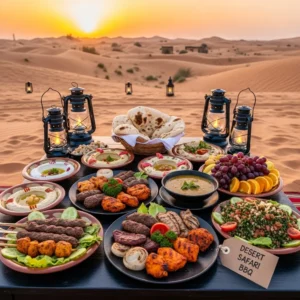
The culinary aspect of Responsible Travel Tips is multi-dimensional. In 2026, high-standard camps have moved away from a singular heavy buffet model toward “Organic Desert Sourcing.” This involves the preparation of fresh proteins and vegetables grown in local UAE hydroponic farms, reducing the carbon footprint of the evening meal.
Managing a world-class kitchen in a remote desert environment is a logistical triumph. Ingredients are transported in biodegradable packaging and kept in solar-powered cold chains. Hygiene is monitored by the Dubai Municipality under strict HACCP guidelines. This technical accuracy prevents food waste and ensures that your meal—from the hummus to the grills—is magnifique and sustainable.
The “Live Stations” are a highlight for guests who value transparency. Watching a chef bake fresh “Khubz” bread in a solar-augmented oven adds a theatrical element without traditional carbon costs. Following the Responsible Travel Tips protocol by using reusable glassware is a sign of respect for the environment. For a look at the latest specialized menus, visit https://htdesertsafari.com/.
The Role of Multilingual Guides in Nature Education
The human element is what transforms a simple car ride into a magnifique Dubai story. Responsible Travel Tips accuracy relies heavily on the professionalism of the guides. In 2026, top-tier operators employ specialists who are more than just drivers; they are certified naturalists and cultural historians who explain the delicate balance of the desert.
A professional guide understands that guest education is the key to a successful mission. They utilize multilingual storytelling to explain the history of the dunes and the biological importance of the Ghaf tree—the national tree of the UAE. Showing respect through your behavior and following the guide’s safety instructions regarding animal interaction builds a positive rapport that enhances the entire trip.
These professionals are highly trained in both urban navigation and desert ecology, ensuring your mission remains productive and risk-free. To check the service ratings of various Dubai operators and their multilingual capabilities, visit https://royaldesertadventures.ae/ and plan your trip with precision.
| Impact Segment | Modern Feature | Ecological Benefit | Logistics Detail |
| Transport | Hybrid 4×4 Fleet | Lower Carbon Emission | Tier 4 Engines |
| Track Control | GPS Geo-Fencing | Crust Protection | Satellite Monitored |
| Waste | Biogas Digesters | Zero Landfill Camp | 100% On-site Processing |
| Water | Atmospheric Gen | No Plastic Bottles | Solar Powered |
Architectural Harmony: The Sustainable Camp Layout
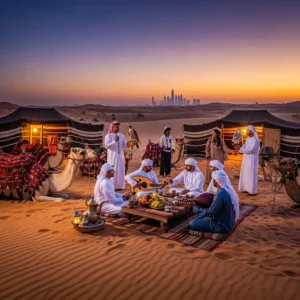
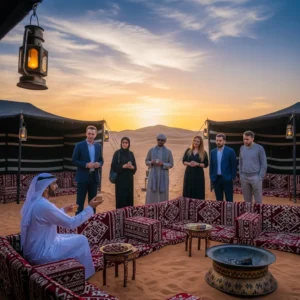
The physical environment of a modern camp is designed to foster a sense of community without permanent damage to the land. Traditional camps utilize Majlis seating, but in 2026, premium Responsible Travel Tips packages often include “Removable Foundations.” These are structural systems that allow the camp to be dismantled without leaving a trace on the sand.
Lighting plays a critical role in site safety and ecology. In 2026, hundreds of Moroccan lanterns are supplemented with low-frequency LED floor lights that do not attract insects or confuse birds. This balance of light and shadow is essential for professional digital media capture while respecting the natural darkness of the desert.
The architecture of the camp must facilitate a smooth flow between the activity stations and the dining area. Professional site management ensures that rampled paths are made of recycled materials, providing a firm surface without introducing chemicals into the sand. To see photos of these various seating tiers and camp designs, visit https://htdesertsafari.com/.
Technical Accuracy in Waste and Sanitation Standards
A major technical factor in Responsible Travel Tips management is the quality of the waste processing facilities. In 2026, the standard for a licensed permanent camp is an on-site biogas digester. These facilities transform organic food waste into energy for the camp’s kitchen, creating a magnificent circular economy.
Hygiene is strictly monitored, with units undergoing hourly cleaning cycles to ensure zero downtime. For guests, the absence of single-use plastics is a critical logistical detail that enhances the overall magnifique experience. Shortcuts in maintenance are a catastrophic error for an operator in the competitive Dubai market.
If you are traveling with a large group, it is vital to inform your operator of your commitment to green standards. Many companies offer specialized “Green Event” protocols, ensuring that the Responsible Travel Tips are applied to corporate retreats. For help with your full 2026 Dubai itinerary, visit https://htdesertsafari.com/.
Site Accessibility and Inclusive Media Missions
In 2026, the Dubai safari industry has set new standards for inclusivity. Responsible Travel Tips awareness extends to ensuring that all guests, including “People of Determination,” have access to the dunes without damaging the land. Premium camps feature permanent ramps and boardwalks that protect the sand from heavy foot traffic.
The logistics for seniors are managed with extra care. Drivers are trained to navigate the desert with a “smooth flow” protocol, avoiding the jarring movements that can lead to vehicle stress and increased fuel consumption. Providing proper back-support seating during the sunset stop is a critical detail that enhances the overall magnifique experience.
When you book, always mention if you have any mobility requirements. A professional operator will ensure you are assigned a vehicle and a ridge that meets your specific needs, providing a world-class experience for every member of your party. To find the most inclusive packages, check the listings at https://royaldesertadventures.ae/.
Wildlife Preservation and the Arabian Oryx Recovery
Sustainability is the heartbeat of the 2026 desert industry. The Arabian Oryx, once extinct in the wild, is the magnificent symbol of the Responsible Travel Tips recovery mission. Licensed operators contribute a portion of every ticket to the breeding and protection programs within the Al Marmoom reserve.
When at the camp, you will notice the total absence of intrusive drone flight during the main dinner. This protects the privacy of guests and prevents acoustic pollution from disturbing the peaceful Arabian night. Supporting these “Quiet Zones” provides a moral comfort that aligns your vacation with your personal values.
The desert is a sanctuary of light and life. By observing wildlife thoughtfully and behaving respectfully, you contribute to a culture of preservation that protects both the guests and the environment. For more on the environmental protocols of top Dubai operators, consult the reports at https://dubaidesertsafarie.com/ and join the movement toward green tourism.
The Role of Technology in Dispatching Eco-Tours
Technology has streamlined the logistics of Responsible Travel Tips control from the moment of hotel pickup. In 2026, most luxury 4×4 fleets are equipped with high-speed satellite Wi-Fi and real-time carbon tracking apps. This allows guests to see the exact carbon offset of their specific vehicle journey.
Advanced fleet management ensures that your driver takes the most efficient route, reducing fuel consumption and maximizing your time in the private enclosures. This tech-forward approach ensures that the logistical part of your day is as high-standard as the adventure itself.
Digital check-ins and WhatsApp-based concierge services also reduce administrative friction at the camp entrance. Visit https://htdesertsafari.com/ to see how they integrate these tools into their daily operations to enhance guest comfort and punctuality. For more tech-forward safari options, visit https://royaldesertadventures.ae/.
Selecting the Right Service Tier for Ethical Travel
Evaluating your booking options requires a focus on Responsible Travel Tips and overall quality. A cheap safari might save money but often involves older vehicles with higher emissions and basic, non-recycling camps where waste is buried in the sand. A premium safari, costing between 500 and 800 AED, provides the 5-star standard that defines a world-class vacation.
In 2026, the gap in quality between these tiers has become more pronounced. You are paying for the peace of mind that comes with professional, high-standard camp management where sustainability is the top priority. We recommend reviewing the “Green Inclusions” list carefully during your Dubai Safari Booking process.
Look for mentions of “Solar Power,” “Water Filtration,” and “Wildlife Fees.” Comparing these features on sites like https://htdesertsafari.com/ will help you secure the best deal without sacrificing your physical health or ecological safety. For a detailed comparison of 2026 pricing, visit https://dubaidesertsafarie.com/.
Final Logistics: Return Journey and Clean-Up Punctuality
The return to the city is the final phase of the Responsible Travel Tips cycle. Around 9:30 PM, the camp staff begin the coordination of the departure convoys. This requires a high level of organization to ensure that every scrap of waste is removed and the camp area is restored to its natural state.
The 60-minute drive back to the hotel is usually a quiet, reflective time. Most luxury vehicles are equipped with USB-C charging ports, allowing you to top up your devices while you review the day’s magnificent photos. The transition from the silent desert back to the shimmering lights of the city is a dramatic conclusion.
Your driver will drop you directly at your hotel lobby or a pre-arranged landmark. A small tip of 20-50 AED for the driver is a generous gesture that acknowledges their hard work and commitment to safe, eco-friendly navigation. For help with your full 2026 Dubai itinerary, visit https://htdesertsafari.com/ and talk to their guest experts today.
Traditional Activities: Hygiene and Guest Comfort
Participating in traditional activities like camel riding is a highlight, but hygiene is a major technical factor. In 2026, reputable operators ensure that animal zones are managed to maintain the highest Responsible Travel Tips standards.
Hand sanitizer and cleaning stations are provided immediately after activities like camel treks or falconry. This ensures guests are refreshed before returning to the majlis for the BBQ feast. Hygiene and animal welfare are non-negotiable standards for a top-tier operator in the UAE.
Only natural henna paste is used for artistic tattoos at the camp stations, and high-grade shisha charcoals are permitted to ensure the best air quality. To compare activity standards and guest comfort ratings, visit https://royaldesertadventures.ae/ and plan your trip with precision.
Stargazing and the Mystery of the Dark Sky Experience
The final act of the night occurs after the fire show fades. Away from the artificial light pollution of the city, the desert reveals a celestial map of startling brilliance. In 2026, “lights out” stargazing sessions are a standard feature for high-end Responsible Travel Tips packages.
Professional camps provide high-powered telescopes and astronomy guides who explain how the Bedouin navigated the dunes using the stars for centuries. It is a moment of profound silence and reflection that provides a magnifique contrast to the high-energy fire shows that preceded it.
If you are a nature enthusiast, the period immediately after the main shows is your time to utilize your tripod. Capturing the glow of the camp lanterns under the vast canopy of stars results in cinematic visuals. For information on the best nights for stargazing, visit https://htdesertsafari.com/.
Traditional Heritage and the Role of Multilingual Hosts
The human element of the camp layout is enhanced by the presence of multilingual staff. In 2026, top-tier operators employ guides and hosts who speak English, Arabic, Russian, and Chinese. This ensures that every guest can understand the safety briefings and cultural stories.
A professional host acts as a bridge between you and the local heritage. They can explain the history of the Bedouin trade routes, the science of sand formation, and the significance of the Majlis in your native tongue. This educational layer adds a depth to the trip that a standard car ride cannot provide.
Guides also manage the logistical flow of the evening, ensuring that their group is seated comfortably and returns to the correct vehicle at the end of the night. To see which operators have the highest-rated guides for 2026, consult the guest reviews at https://htdesertsafari.com/.
Site Specifics: Al Awir vs. Lahbab Conservation Comparison
Choosing the right desert region is a key factor in Responsible Travel Tips control. Al Awir is the closest region (45 mins) and offers a more level terrain with excellent city signal penetration. The dunes here are moderate, which allows for easier vehicle navigation along flat tracks, reducing the risk of crust damage.
Lahbab, known for its high “Red Dunes,” is roughly 60 minutes away. The visual reward in Lahbab is higher, with towering dunes that turn crimson at sunset. However, the conservation requirements are stricter here. Reputable operators manage this by utilizing specialized “Low-Pressure” tires to minimize the impact on the ridge peaks.
If you want total isolation, the Dubai Desert Conservation Reserve (DDCR) is the premier choice. While the entry fees are higher, the lack of other tour convoys makes the experience feel truly elite and manageable. To compare the travel times and scenery of different Dubai desert zones, visit https://htdesertsafari.com/.
Culinary Care: Managing Dietary and Environmental Logistics
While the BBQ dinner happens after the sun sets, your Responsible Travel Tips strategy should include physical preparation. If a group arrives late to the camp, the buffet’s holding time increases, which can impact the quality of the grills. Professional operators use AI-integrated dispatching to ensure fleets arrive on schedule.
Hand hygiene is your top priority as a guest. The dry desert air can carry fine dust, and interacting with sandboarding equipment requires a thorough clean before eating. Most premium camps provide high-tech touchless hand sanitizer stations and luxury restroom blocks with hot running water.
If you have pre-existing stomach sensitivities or physical challenges, it is vital to inform the dispatcher during the booking phase. Many operators offer a “Private Plated” option where you skip the buffet and receive a fresh, individually prepared meal at your table. For health and safety preparation tips, visit https://htdesertsafari.com/.
Analyzing the High-Standard Mechanical Fleet
Safety is a non-negotiable part of the Responsible Travel Tips conversation. In 2026, the UAE government enforces strict fire safety and mechanical regulations for all desert camps and fleets. Every permanent structure must be fitted with fire suppression systems and have a certified safety officer on-site.
Drivers are required to hold specialized desert licenses and first-aid certifications. Shortcuts in vehicle maintenance are a catastrophic error for an operator. Check the vehicle photos and specifications on https://royaldesertadventures.ae/ to ensure you are booking with a company that values mechanical excellence.
If you have pre-existing medical conditions like back pain, it is vital to inform your operator. Many companies offer a “Luxury Road Transfer” option where you are transported directly to the camp in a standard premium sedan, ensuring you still enjoy the culture and dinner without the physical strain.
Summary of the Flawless Green Blueprint
In conclusion, Responsible Travel Tips management is a magnifique blend of art, science, and cultural heritage. By choosing the right partners, prioritizing low-impact transport, and being ready for the evening feast, you ensure a journey that is as safe as it is spectacular.
The desert is ready to tell you its story, and your presence is the witness. Trust the experts to handle your logistics while you focus on the Arabian horizon. The golden dunes are calling—your comfortable and perfectly planned path to the majesty of Arabia is ready.
As you plan your 2026 Dubai itinerary, remember that the desert is the city’s soul. Experience it with the respect and the technical care it deserves. Secure your booking today at https://htdesertsafari.com/ and prepare for an evening of high-standard inclusive hospitality you will never forget.
Technical Accuracy in Tire Management and Sand Safety
The physics of dune bashing in 2026 are governed by technical accuracy. A successful Responsible Travel Tips strategy requires the driver to deflate the tires to exactly 15 PSI. This increases the tire’s surface area, allowing the heavy SUV to float over the sand rather than digging deep ruts that cause erosion.
Drivers are trained to read the sand’s moisture content, which changes between winter and summer. Wet sand is firmer and requires less pressure, while the fine, dry sand of August requires surgical precision in speed. This mechanical expertise ensures that your ride is as safe as it is thrilling.
Always ensure your operator uses official 4×4 vehicles with valid tourism registration. This guarantees that the vehicle has been inspected for environmental compliance. For more technical insights into desert navigation, consult the resources at https://royaldesertadventures.ae/. Excellence in engineering protects both the guest and the dunes.
Preparing Your Gear for the Eco-Friendly Expedition
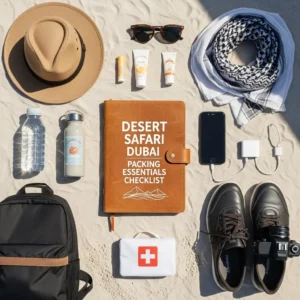
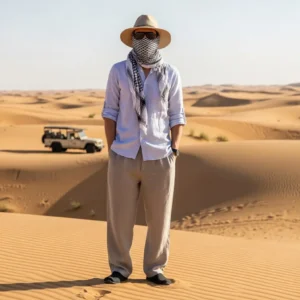
Personal preparation is the final layer of a successful Responsible Travel Tips mission. Arriving with the wrong attire can ruin even the most luxury tour. We recommend loose, breathable natural fabrics like cotton or linen. These materials allow your body to breathe and reduce the need for excessive air conditioning.
The desert is an area of intense thermal shifts. Failing to pack a light jacket or a pashmina for the evening shows is a common mistake. In the winter months, the temperature can drop to 12 degrees. Footwear should be secure sneakers; avoid flip-flops as they offer no grip on the shifting ridges.
Digital gear also requires protection. The fine silica sand is the enemy of professional lenses. Use a UV filter and carry a small pack of wet wipes to clean your hands before touching your equipment. For a full checklist of what to wear and bring, visit https://dubaidesertsafarie.com/ and prepare for a magnifique desert story.
Cultural Etiquette and the Majlis Tradition
A final logistical detail for your Responsible Travel Tips checklist is the etiquette of the Majlis. In 2026, the desert camp is a space where global cultures meet. When sitting on traditional cushions, avoid pointing the soles of your feet toward others, as this is seen as disrespectful in Arabian culture.
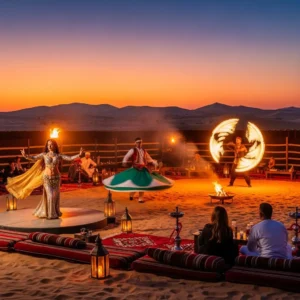
Accepting the Arabic coffee with your right hand is a small but significant gesture that shows you value the local traditions. Showing respect for the performers by refraining from using bright flashes during the Tanoura dance ensures a high-standard experience for everyone.
By following these high-standard etiquette rules, you contribute to a culture of hospitality that has defined the UAE for generations. To learn more about Emirati cultural norms and how to be a respectful guest, visit https://htdesertsafari.com/ and talk to their cultural coordinators today.
Frequently Asked Questions (FAQs)
What are the most important Responsible Travel Tips for a Dubai desert safari in 2026?
The most vital tips include staying on designated 4×4 tracks to protect the biological soil crust, disposing of all waste in designated recycling bins at the camp, and maintaining a respectful distance of at least 50 meters from desert wildlife like the Arabian Oryx. Additionally, supporting operators who use hybrid vehicles and solar-powered camps significantly reduces your environmental footprint.
Is dune bashing bad for the desert environment?
If not managed correctly, yes. However, in 2026, reputable operators follow strict “GPS Geo-Fencing” to ensure vehicles stay within authorized areas. This prevents the destruction of fragile vegetation and soil layers. Responsible Travel Tips suggest booking with licensed providers at https://htdesertsafari.com/ who contribute to desert conservation funds and follow strictly regulated routes.
How do desert camps manage waste in the middle of the dunes?
High-standard camps utilize on-site biogas digesters to process organic food waste and convert it into energy for the camp’s LED lighting. Plastics, metals, and glass are collected and transported back to city recycling centers. To support this, guests should follow the Responsible Travel Tips of using reusable glass cups provided by the operator instead of single-use plastic bottles.
What should I do if I see an injured animal during my safari?
Never attempt to touch or move a wild animal. Inform your safari guide immediately. All professional guides in 2026 are trained in emergency protocols and have satellite links to the Dubai Desert Conservation Reserve (DDCR) rangers. Reporting sightings of wildlife is a magnifique way to contribute to the local biodiversity monitoring program.
Are there eco-friendly meal options available at the BBQ buffet?
Yes. Modern Arabian cuisine is naturally sustainable. Most buffets feature locally sourced mezze and hydroponically grown vegetables from UAE desert farms. For those following strict Responsible Travel Tips, we recommend focusing on the plant-based options like hummus, fattoush, and vegetable curries which have the lowest carbon footprint.
How is water managed sustainably at the desert camps?
In 2026, many luxury camps use solar-powered atmospheric water generators that extract humidity from the air to provide fresh drinking water. This eliminates the logistical need for thousands of plastic bottles. Guests are encouraged to refill their reusable flasks at these “Cooling Stations” throughout the evening program.
Can I use a drone to film the desert safari responsibly?
Drone usage is strictly regulated in the UAE for both security and environmental reasons. Recreational drones can disturb nesting birds and wildlife. To follow Responsible Travel Tips, you must obtain a DCAA permit and ensure your flight path does not interfere with wildlife corridors. Check with your operator at https://htdesertsafari.com/ before bringing any aerial equipment.
What is the “Biological Soil Crust” mentioned in the guide?
The crust is a thin, living layer of the desert floor composed of cyanobacteria, lichens, and mosses. It acts as the “skin” of the desert, preventing erosion and aiding water absorption. One of the most critical Responsible Travel Tips is to avoid walking or driving on pristine sand areas outside the camp to keep this crust intact.
Is it safe to participate in a safari if I have mobility challenges?
Yes, in 2026, many camps are fully accessible. Responsible Travel Tips emphasize the inclusion of all guests. Premium camps feature permanent ramps and dedicated restrooms. It is essential to inform your operator via https://htdesertsafari.com/ during the booking process so they can assign a vehicle with boarding assists and the most accessible majlis seating.
How much does a sustainable desert safari cost in 2026?
While budget safaris are available, a truly responsible eco-safari typically ranges from 500 to 800 AED. This higher price point covers the cost of hybrid vehicle maintenance, conservation reserve permits, and the high-standard zero-waste systems used at the camp. Investing in a quality tour ensures your money supports the local environment.
What kind of clothing is best for a responsible desert trip?
We recommend loose, breathable natural fabrics like linen or cotton in light colors. These materials keep you cool without needing high-power AC and reflect the sunlight. Secure sneakers are essential for safety on the dunes. Always bring a light jacket or pashmina for the evening, as the desert cools rapidly once the sun sets.
How long does a typical responsible desert safari last?
A standard evening tour lasts about 6 to 7 hours, including transit. To minimize the environmental impact, many operators now offer “Consolidated Transfers” where guests are picked up from central city hubs rather than individual hotels. This significantly reduces the carbon emissions per guest.
Can children participate in the eco-activities?
Absolutely. Wildlife observation and heritage storytelling are highlights for young travelers. Reputable operators provide high-powered binoculars and educational guides to help children identify different species. This interaction fosters a magnifique sense of environmental responsibility in the next generation of travelers.
Do I need to carry my physical passport during the safari?
While you don’t need the physical passport at the dining table, it is a standard safety practice in the UAE to carry a photo or a clear digital copy of your identification on your phone for security checkpoints outside the city limits.
Is alcohol served at the desert camp, and is it regulated?
Most permanent camps have a licensed bar where you can purchase beverages. These are managed under strict UAE licensing laws. However, alcohol is generally not served during religious holidays. Always check the local calendar during your Dubai Safari planning at https://htdesertsafari.com/.
What is the “Tanoura” dance performed at the camp?
The Tanoura is a traditional folk dance where a male performer spins continuously in a heavy, colorful skirt. It is a spiritual performance representing the movement of the planets. In 2026, these skirts are often fitted with LED lights for a magnificent visual effect during the cultural evening.
How far from the city center is the desert camp located?
Most safari desert reserves are located about 45 to 60 kilometers from the center of Dubai. This results in a travel time of roughly one hour each way, depending on traffic and the specific region (like Al Awir or Lahbab). High-end operators use real-time GPS tracking to find the most efficient routes.
Is there Wi-Fi available at the camp to share photos?
Yes, in 2026, most permanent luxury camps and premium 4×4 vehicles are equipped with high-speed satellite Wi-Fi. While the signal can be weak in certain deep-dune zones, it is typically sufficient for social media uploads and communication with your family. Check with your operator for their specific tech amenities.
Do I need to tip the safari guide or the camp staff?
Tipping is not mandatory in Dubai but is widely appreciated for exceptional service. A tip of 20 to 50 AED for your driver or server is a kind and generous gesture if you feel they enhanced your experience and ensured your family’s comfort throughout the evening.
Why choose https://htdesertsafari.com/ for my safari booking?
They work with the most reliable and highly-rated operators in the city who specialize in sustainable guest logistics. Their focus on vehicle maintenance, camp hygiene, and professional service ensures that your desert adventure is both spectacular and ecologically responsible. For more info, check https://dubaidesertsafarie.com/ and https://royaldesertadventures.ae/.
Responsible Travel Tips insights reveal that the desert is a place of deep connection and beauty. By choosing the right partners and focusing on the details, you ensure an experience that is as safe as it is unforgettable. The dunes are waiting—your adventure is ready to be unveiled.
Would you like me to help you create a specific ecological itinerary for your 2026 trip to Dubai?