Dubai Safari FAQ Navigating the Golden Sands of the Emirates
Dubai Safari FAQ queries are among the most searched topics for travelers visiting the United Arab Emirates. Whether you are a first-time visitor or a returning explorer, the desert holds a unique charm that requires a bit of preparation. This extensive guide addresses every concern to ensure your journey into the dunes is seamless.
The Arabian desert is a place of extreme beauty and power. To enjoy it fully, you need to understand the logistics of a typical excursion. From the moment you are picked up at your hotel to the final show at the desert camp, every detail matters for your comfort and safety.
In 2026, the variety of safari options has grown significantly. You can choose between adrenaline-fueled dune bashing or quiet, eco-friendly nature walks. Understanding the answers in this Dubai Safari FAQ will help you pick the package that best fits your personality and travel goals.
The Importance of Checking a Dubai Safari FAQ Before Booking
Reading a Dubai Safari FAQ is the first step toward a successful adventure. Many tourists arrive with misconceptions about what the desert entails. Knowing the “who, what, and where” of these tours saves time and prevents disappointment during your precious vacation hours.
Safety is a primary reason to consult a Dubai Safari FAQ. The desert environment can be harsh if you are unprepared for the heat or the motion of the vehicles. Learning about vehicle standards and driver certifications gives you the peace of mind needed to enjoy the thrill.
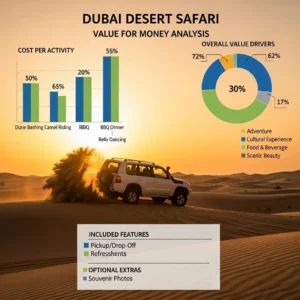
Budgeting is another key area. Prices fluctuate based on the season and the level of luxury provided. A comprehensive Dubai Safari FAQ breaks down the costs of hidden extras, such as quad biking or alcoholic beverages, so your final bill doesn’t come as a shock.
Choosing the Right Time for Your Desert Excursion
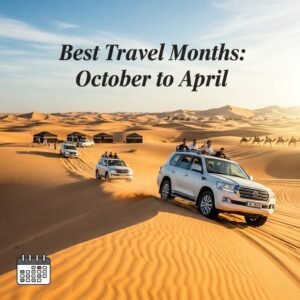
A common question in any Dubai Safari FAQ is when to go. The UAE has a distinct climate that dictates the best windows for outdoor activities. Generally, the winter months from October to April offer the most pleasant temperatures for a full evening experience.
During these months, the desert air is crisp, and the sunset provides a spectacular backdrop for photography. Morning safaris are also popular during winter, as the sand hasn’t yet absorbed the midday heat. It is the perfect time for camel trekking and sandboarding.
If you are visiting in the summer, your Dubai Safari FAQ will advise you to stick to evening tours. Most operators use air-conditioned vehicles and camps equipped with high-powered misting fans. While the heat is intense, the desert nights are surprisingly manageable once the sun disappears below the horizon.
What to Wear for Your Dubai Desert Adventure
Dressing correctly is a recurring theme in the Dubai Safari FAQ. The most important rule is comfort. Loose-fitting, breathable fabrics like cotton and linen are ideal for the daytime heat. They allow air to circulate and help keep your skin cool.
However, many people forget that the desert can get chilly at night. A good Dubai Safari FAQ will remind you to bring a light jacket or a pashmina. Once the sun sets, the lack of cloud cover causes temperatures to drop rapidly, especially during the winter months.
Footwear is another vital consideration. Sandals or flip-flops are great for the camp, but if you plan on sandboarding or walking on the dunes, closed-toe shoes are better. They keep the hot sand away from your feet and provide better grip during activities.
| Item | Recommended | Reason |
| Clothing | Cotton/Linen | Breathability and heat management |
| Footwear | Sandals & Sneakers | Flexibility for camp and dunes |
| Accessories | Sunglasses | Protection against glare and sand |
| Evening Wear | Light Jacket | Temperature drop after sunset |
Understanding the Typical Safari Itinerary
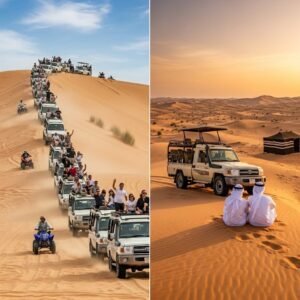
What does a normal day look like? This is a core part of the Dubai Safari FAQ. Most evening safaris begin with a pickup around 3:00 PM or 4:00 PM. You are transported in a 4×4 vehicle toward the outskirts of the city where the dunes begin.
The first major activity is usually dune bashing. This involves a professional driver navigating the vehicle over steep sand dunes at varying speeds. It is an exhilarating experience that lasts about 30 minutes. Most Dubai Safari FAQ sections warn those with motion sickness to prepare accordingly.
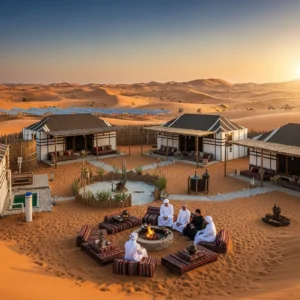
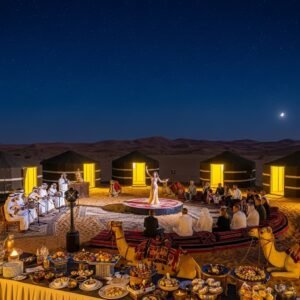
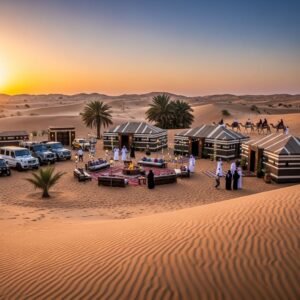
After the drive, you are taken to a traditional Bedouin-style camp. Here, the pace slows down. You can enjoy camel rides, get a henna tattoo, or try shisha. The evening concludes with a lavish BBQ buffet dinner accompanied by live cultural performances under the stars.
Food and Dining Options in the Desert
Eating in the desert is a highlight for many, and the Dubai Safari FAQ usually details the menu. The standard BBQ buffet includes a mix of international and Arabic dishes. You can expect grilled meats, fresh salads, hummus, and traditional desserts like Luqaimat.
Vegetarians and vegans often worry about their options, but a modern Dubai Safari FAQ will reassure you. Most camps offer a wide range of plant-based dishes, including lentil soup, stir-fried vegetables, and various rice preparations. It is always wise to mention dietary restrictions at the time of booking.
Beverages like water, coffee, and tea are typically unlimited. Soft drinks are also usually included in the base price. If you are looking for alcoholic beverages, check your Dubai Safari FAQ, as these are often available at an extra charge at a dedicated bar within the camp.
Safety Measures and Vehicle Standards
Safety is the top priority for any licensed operator. Every Dubai Safari FAQ should mention that vehicles must be equipped with roll bars and first-aid kits. Drivers must hold a specialized desert driving license issued by the Dubai Road and Transport Authority (RTA).
Passenger insurance is another mandatory requirement. When you book a tour, your price includes insurance coverage for the duration of the trip. If a company cannot provide proof of these standards, your Dubai Safari FAQ would advise you to look elsewhere for your adventure.
For those traveling with infants, safety remains key. Most 4×4 vehicles can accommodate car seats, but you must request them in advance. A responsible Dubai Safari FAQ will always suggest that pregnant women and those with back issues opt for a “gentle drive” or skip the dune bashing portion entirely.
Comparing Budget vs Premium Safari Packages
Not all tours are created equal, as highlighted in any Dubai Safari FAQ. Budget packages often involve larger groups and shared camps. While the price is lower, you might experience longer lines for food and less personalized service from the staff.
Premium or luxury safaris offer a higher level of exclusivity. These might include private vehicle transfers, a smaller guest-to-staff ratio at the camp, and upgraded food menus featuring premium meats and seafood. Your Dubai Safari FAQ can help you decide if the extra cost is worth the added comfort.
In 2026, many travelers are opting for “Private Safaris.” This allows you to set your own schedule and decide how much time you want to spend on each activity. For families or romantic couples, this provides a level of intimacy that shared tours simply cannot match.
Educational Insights and Cultural Respect
A Dubai Safari FAQ often touches upon the cultural aspects of the trip. The UAE is a country that values its traditions. When visiting the desert camp, it is important to be respectful of local customs, especially during performances or prayer times.
Photography is generally encouraged, but always ask for permission before taking photos of local people, especially women. A good Dubai Safari FAQ will also remind you not to litter in the desert. The ecosystem is fragile, and preserving its beauty is a collective responsibility for all visitors.
Many guides are happy to share stories about the history of the Bedouin tribes and how they survived in the harsh desert environment. Engaging with your guide is a great way to add educational value to your Dubai Safari FAQ knowledge and gain a deeper appreciation for the region.
Photography Tips for the Perfect Desert Shot
The desert is a photographer’s dream, and every Dubai Safari FAQ should offer some tips. The “Golden Hour”—the hour before sunset—is the best time for photography. The low angle of the sun creates long shadows and brings out the rich orange hues of the sand.
Protecting your gear is essential. Sand is the enemy of camera lenses and sensors. A useful Dubai Safari FAQ tip is to use a protective filter on your lens and avoid changing lenses while in the desert. If you are using a smartphone, a simple waterproof pouch can keep the fine dust out of the charging port.
Don’t just focus on the dunes. Look for details like the patterns made by the wind on the sand or the footprints of desert wildlife. Your Dubai Safari FAQ might also suggest taking photos of the cultural shows, as the colorful costumes of the Tanoura dancers look stunning against the night sky.
External Resources for Further Research
To get a better idea of the current market and user reviews, you can visit https://dubaidesertsafarie.com/ or see the specialized tour options at https://royaldesertadventures.ae/. These sites offer a direct look at what to expect from different types of desert experiences in the UAE.
For those looking for internal booking details and comprehensive package lists, https://htdesertsafari.com/ is an excellent resource. Comparing these different providers will give you a well-rounded view of the Desert Safari landscape and help you finalize your plans.
The Role of Technology in Modern Safaris
By 2026, technology has integrated deeply into the safari experience. Many camps now offer high-speed Wi-Fi, allowing you to share your photos instantly. Your Dubai Safari FAQ might mention that some operators even use drones to capture professional footage of your dune bashing.
Digital booking systems have also made the process much smoother. You can now receive instant confirmation and GPS coordinates for your pickup point directly on your phone. This transparency reduces the stress of planning and ensures that your Dubai Safari FAQ questions are answered in real-time.
Some eco-conscious companies are even trialing electric 4x4s for desert drives. While this technology is still in its early stages, it represents a move toward a more sustainable future for the tourism industry. This shift is a frequent topic of discussion in any forward-looking Dubai Safari FAQ.
Managing Motion Sickness in the Dunes
One of the most practical questions in a Dubai Safari FAQ is about motion sickness. Dune bashing is essentially a natural roller coaster. If you are prone to carsickness, it is highly recommended to take preventative measures before the trip starts.
-
Medication: Over-the-counter motion sickness pills can be very effective if taken an hour before the drive.
-
Seating: Sit in the front seat if possible, as this allows you to focus on the horizon and reduces the sensation of swaying.
-
Diet: Avoid eating a heavy meal right before the safari. A light snack is fine, but a full stomach can lead to discomfort during the sharp turns.
-
Communication: Tell your driver! They can adjust the intensity of the drive to ensure you stay comfortable.
The Evolution of Desert Entertainment
The live shows at the camp are a highlight mentioned in every Dubai Safari FAQ. The most famous is the Tanoura dance, where a performer spins in colorful, lit-up skirts. This dance has its roots in Sufi traditions and is a mesmerizing display of balance and stamina.
Belly dancing is another staple of the evening. Performers interact with the audience and showcase incredible skill and grace. Many Dubai Safari FAQ sections will note that during the holy month of Ramadan, these entertainment programs might be scaled back or omitted out of respect.
Fire shows have also become increasingly popular in 2026. These high-energy performances involve artists spinning fire and performing stunts under the dark desert sky. It adds a modern, thrilling element to the traditional camp atmosphere, making for an unforgettable finale.
Exploring the Desert Wildlife
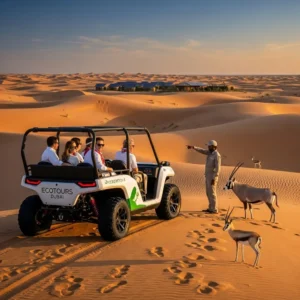
The Arabian desert is not empty; it is a thriving ecosystem. A detailed Dubai Safari FAQ will often list the animals you might encounter. The Arabian Oryx, with its long, straight horns, is the national animal of the UAE and a beautiful sight if you are lucky enough to see one.
Sand Gazelles are also common, often seen darting across the dunes in the early morning or late evening. For bird lovers, the desert is home to various species of hawks and owls. Your guide on the Dubai Safari FAQ will likely be able to point out tracks in the sand left by desert foxes or lizards.
Conservation is a big part of the safari industry. Many tours take place in protected reserves where wildlife is monitored and protected. By choosing a reputable operator, your visit helps fund the preservation of these species and their natural habitat.
The Magic of Stargazing in the Deep Desert
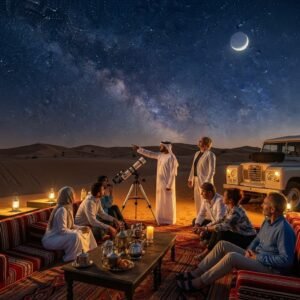
Away from the city lights, the desert sky is a canvas of stars. This is a “must-do” activity often highlighted in a Dubai Safari FAQ. Once the camp lights are dimmed for the stargazing session, the Milky Way becomes visible to the naked eye.
Many premium safaris now include a professional astronomer who uses telescopes to point out planets and constellations. It is a peaceful and humbling experience that contrasts perfectly with the adrenaline of the afternoon. This quiet moment is often the favorite part of the trip for many guests.
If you are staying overnight, the stargazing experience is even better. You can fall asleep watching the stars and wake up to a desert sunrise. An overnight Dubai Safari FAQ will suggest bringing a high-quality camera with long-exposure settings to capture the celestial beauty.
Preparing for Your Camel Trek
No Dubai Safari FAQ is complete without mentioning camels. These “ships of the desert” are an iconic part of the experience. A short camel ride is usually included in the standard camp activities, allowing you to get a feel for how ancient travelers moved across the sands.
For those who want a deeper experience, longer camel treks are available. These tours take you further into the dunes, away from the sounds of the camp. It is a slow, rhythmic way to travel that allows you to truly connect with the silence of the landscape.
When mounting or dismounting a camel, follow the guide’s instructions carefully. The camel rises with its back legs first, so you need to lean back and then forward to maintain your balance. It is a fun challenge that adds a great story to your desert adventure.
The Role of Falconry in Emirati Culture
Falconry is a deep-seated tradition in the UAE, and many safaris offer a demonstration. A Dubai Safari FAQ will explain that falcons were traditionally used by Bedouins for hunting. Today, they are a symbol of national pride and heritage.
During a falconry show, you can see these birds of prey in action. They are incredibly fast and precise hunters. You will often have the opportunity to hold a falcon on a gloved hand and take a photo—a classic souvenir mentioned in almost every Dubai Safari FAQ.
The bond between the falconer and the bird is built on years of trust and training. Learning about the different types of falcons and how they are cared for adds a rich layer of cultural understanding to your desert excursion.
Managing Your Expectations: Reality vs. Marketing
Social media often portrays the desert as an empty, endless wilderness. A realistic Dubai Safari FAQ will remind you that because these tours are popular, you will likely see other 4x4s and groups. The main “dune bashing” areas are shared by many operators.
However, once you arrive at your specific camp, the experience becomes more localized. High-quality operators ensure their camps feel private and well-managed. By understanding this reality from your Dubai Safari FAQ research, you can enjoy the social aspect of the trip without feeling overwhelmed.
The weather can also be unpredictable. Occasionally, a sandstorm might occur, or clouds might block the sunset. Professional operators monitor the weather closely and will inform you if a trip needs to be rescheduled for safety or quality reasons.
Why a Dubai Safari is the Ultimate Vacation Experience
A desert safari captures the essence of the UAE—a blend of modern excitement and ancient tradition. It is an experience that appeals to all ages and backgrounds. Whether you are seeking thrills, culture, or relaxation, you will find it in the dunes.
The memories of the sun dipping below the horizon and the taste of Arabic coffee by the fire stay with you long after you leave. By doing your research through this Dubai Safari FAQ, you ensure that your trip is as perfect as it can be.
The desert is waiting to be explored. With the right preparation and a spirit of adventure, your safari will be the highlight of your Dubai holiday. Embrace the sand, the stars, and the stories of this unique Arabian landscape.
Frequently Asked Questions
1. How long does a standard evening safari last?
A standard evening safari typically lasts between 6 and 7 hours. This usually includes pickup from your hotel between 3:00 PM and 4:00 PM and a return drop-off around 9:30 PM or 10:00 PM. The duration is designed to give you enough time for the adrenaline-pumping dune bashing, some relaxation at the camp for sunset photos, a full BBQ dinner, and several live cultural performances. Morning safaris are shorter, usually around 4 hours, and concentrate on the adventure activities rather than the camp dinner.
2. Is dune bashing safe for everyone?
Dune bashing is generally safe as long as you follow the guidelines, but it is a high-intensity activity. Because of the sharp turns and steep drops, it is not recommended for pregnant women, individuals with chronic back or neck problems, or those with heart conditions. Very young infants and senior citizens with fragile health are also advised to skip this part. Most reputable companies offer a “gentle drive” option or can take you directly to the camp via a smoother path if you have concerns about the motion.
3. What kind of food is served at the desert camp?
The dinner is usually a lavish BBQ buffet that caters to a variety of tastes. You can expect grilled chicken, lamb, or beef, along with traditional Arabic sides like hummus, fattoush salad, and pita bread. There is also a strong selection of international dishes like pasta, potato wedges, and rice. Most modern safaris are very conscious of dietary needs and provide clearly labeled vegetarian and vegan options. Desserts often include fresh fruits and traditional sweets like Luqaimat, which are fried dough balls soaked in date syrup.
4. Can I see wildlife during the safari?
Yes, there is a good chance of seeing wildlife, especially if your tour takes place in a conservation reserve. The Arabian Oryx and the Sand Gazelle are the most common large mammals. You might also see desert monitors (lizards), various species of birds, and occasionally desert foxes. Guides are trained to spot these animals and will often pause the vehicle to let you take photos. Since many animals are nocturnal, your chances of seeing them increase as the sun begins to set and the temperature cools down.
5. What should I pack in my bag for a desert safari?
You don’t need much, but a few essentials are recommended. Bring a camera or a smartphone with plenty of storage space for photos. A power bank is also useful, as cold desert air and lots of photography can drain batteries quickly. Sunglasses and sunscreen are vital for the afternoon part of the trip. If you wear contact lenses, you might want to bring eye drops or wear glasses instead, as the wind can blow fine sand into your eyes. Finally, carry a small amount of cash if you want to buy souvenirs or extra drinks not included in your package.
6. Are there bathrooms available in the desert?
Yes, all permanent desert camps are equipped with modern toilet facilities. These are generally kept very clean and have separate sections for men and women. They include flushing toilets and sinks for washing your hands. While you won’t find bathrooms in the middle of the dunes during the driving portion of the trip, you are never more than a short drive away from the camp facilities once the activities begin.
7. Is a camel ride included in the price?
In most standard packages, a short camel ride at the camp is included for free. This is usually a quick loop around a designated area to allow you to experience the sensation and take a photo. If you are looking for a longer trek through the dunes (30 to 60 minutes), this is typically considered an add-on and will require an extra fee. It is best to check the specific inclusions of your booking voucher before you arrive at the camp.
8. What is the best season to go on a desert safari?
The best time to visit is during the winter months, from October to early April. During this time, the daytime temperatures are pleasant (20°C to 30°C) and the evenings are cool and refreshing. This makes all the outdoor activities, especially the camel rides and sandboarding, much more enjoyable. While safaris run year-round, the summer months (June to September) can be extremely hot during the day, so evening tours are the only recommended option during that time.
9. Do I need to tip the driver and camp staff?
Tipping is not mandatory in the UAE, but it is common practice and highly appreciated. If you feel your driver did an exceptional job of keeping you safe and entertained during the dune bashing, a tip of 20 to 50 AED is a nice gesture. Similarly, if the camp staff provided excellent service at your table, a small tip is a great way to show your gratitude. Most staff in the tourism industry work long hours and appreciate the extra recognition for their hard work.
10. Can I drive the 4×4 myself in the dunes?
No, for safety and insurance reasons, guests are not allowed to drive the tour operator’s 4×4 vehicles. Dune driving is a highly specialized skill that requires years of experience and a specific license. If you are interested in driving yourself, you can book a “Quad Bike” or “Dune Buggy” session. These are smaller, easier-to-handle vehicles designed for tourists to drive themselves under the supervision of a guide in a controlled area of the desert.
11. Is there a dress code for the desert safari?
There is no strict formal dress code, but modest, comfortable clothing is best. For women, it is recommended to avoid very short skirts or low-cut tops as a sign of respect for the local culture, especially at the camp. Men usually wear shorts or chinos and a t-shirt. The key is to wear clothes that you don’t mind getting a bit of sand on. Since you will be getting in and out of a high SUV, trousers or longer shorts are often more practical than tight clothing.
12. Is Wi-Fi available at the desert camp?
Many of the larger and more established camps now provide free Wi-Fi for their guests. This allows you to post your sunset photos to social media in real-time. However, keep in mind that the signal can sometimes be spotty in the middle of the desert. If having a constant connection is important to you, it’s a good idea to have a local SIM card with data, though even then, coverage can vary depending on how deep you are in the dunes.
13. Are the live shows child-friendly?
Yes, all the entertainment programs, including the belly dancing, Tanoura show, and fire shows, are family-friendly and suitable for children of all ages. Kids often find the colorful lights and spinning dancers very exciting. The atmosphere at the camp is generally very welcoming for families, and there is usually plenty of space for children to move around.
14. What happens if it rains in the desert?
Rain is rare in Dubai, but it does happen occasionally, mostly during the winter. If the rain is light, the safari usually goes ahead as planned, and the damp sand can actually make for a smoother dune-bashing experience. However, if there is a heavy downpour or a significant sandstorm that makes driving dangerous, the operator will cancel the tour for safety reasons. In such cases, you are usually offered the choice of a full refund or rescheduling to another day.
15. Is alcoholic beverages available at the camp?
Most desert camps have a licensed bar where you can purchase beer, wine, and spirits. These are not included in the standard safari price and must be paid for separately. It’s worth noting that alcohol is not served during Islamic holidays or during the holy month of Ramadan. Also, remember that while you can drink at the camp, public intoxication is strictly prohibited in the UAE, so always drink responsibly.
16. How far is the desert from Dubai city center?
The drive to the desert entrance usually takes between 45 and 60 minutes, depending on the traffic and which part of the desert the operator uses. Most tours go to either the Al Awir area or the Lahbab desert (known for its red dunes). The travel time is a great opportunity to see the transition from the modern skyscrapers of the city to the quiet, rolling landscape of the Arabian sands.
17. Do I need my passport for the safari?
You generally do not need to bring your physical passport on the safari. However, it is always a good idea to have a digital copy or a photo of your passport on your phone, just in case. Most operators only need your name and booking voucher. If you are planning to rent a quad bike or dune buggy, some companies might ask to see a form of ID, such as a driver’s license, before allowing you to operate the vehicle.
18. Is there an age limit for the desert safari?
There is no official upper age limit, as long as the person is in good health. For children, most operators recommend a minimum age of 3 years for the standard evening safari. Infants under 3 can still go to the camp, but they should be taken directly there in a separate vehicle to avoid the bumps of the dune bashing. Always check with your specific tour provider, as some may have their own internal policies regarding age and safety.
19. Can I bring my own food or drinks?
While you are allowed to bring your own snacks and water, it’s not really necessary as the tour is all-inclusive of food and beverages. Most people find the buffet more than enough. However, if you have a baby or a toddler with specific dietary needs, bringing your own baby food and milk is highly recommended. The camp staff are usually happy to help you warm up a bottle if needed.
20. What is the difference between Red Dunes and Golden Dunes?
The “Red Dunes” (found in the Lahbab area) are much higher and steeper, offering a more thrilling dune-bashing experience. The sand has a distinct reddish-orange color due to high iron oxide content. The “Golden Dunes” are closer to the city, smaller, and have a more traditional yellow-sand look. If you are looking for the most “Instagrammable” and exciting experience, most Dubai Safari FAQ experts will recommend choosing a tour that goes to the Red Dunes.