Dubai Desert Safari Conservation Efforts are Shaping the Future of Tourism
Dubai Desert Safari conservation efforts represent the cornerstone of modern tourism in the United Arab Emirates. As the city continues to expand, the focus on preserving the surrounding golden sands has never been more critical. Visitors often think of a safari as just dune bashing, but the reality is much deeper.
The commitment to protecting the environment ensures that future generations can enjoy the same breathtaking landscapes we see today. Local authorities and private companies are working together to balance thrill-seeking with ecological responsibility.
Sustainable practices are now integrated into almost every aspect of the desert experience. From waste management to the protection of endangered species, the shift toward “green” safaris is evident. This transition is not just a trend; it is a necessity for the survival of the Arabian wilderness.
Understanding the delicate balance of the desert ecosystem allows tourists to appreciate their journey more. Every footprint in the sand tells a story of survival, adaptation, and the ongoing struggle to maintain biological diversity in an arid climate.
Why Preservation Matters for the Golden Sands
The Arabian desert is a living, breathing entity that requires constant care. Without specific conservation strategies, the heavy influx of tourists could lead to irreversible damage to the soil and plant life.
Dubai Desert Safari activities are now regulated to ensure that vehicles stick to designated paths. This prevents the widespread destruction of ground-nesting birds and small mammals that call the dunes home.
Preservation efforts also focus on the historical significance of the land. The desert was the original home of the Bedouin people, and protecting it means protecting the cultural heritage of the UAE.
Furthermore, the desert acts as a natural carbon sink. Maintaining the health of the vegetation helps in the broader fight against climate change within the region.
The Role of Government in Wildlife Protection
The UAE government has been a pioneer in creating protected areas. Large swaths of land are now designated as national parks or conservation reserves where human interference is strictly limited.
These zones serve as a sanctuary for species that were once on the brink of extinction. The enforcement of strict laws against poaching and littering has seen a dramatic improvement in local biodiversity.
Regulatory bodies also oversee the licensing of tour operators. Only those who adhere to strict environmental guidelines are permitted to operate within the most sensitive areas of the desert.
Investment in research is another key pillar. Scientists regularly monitor soil quality and animal populations to adjust conservation strategies in real-time.
Key Conservation Areas in Dubai
Protecting the Arabian Oryx and Sand Gazelle
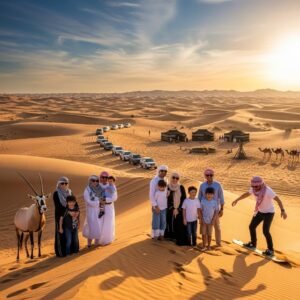
The Arabian Oryx is perhaps the greatest success story of Dubai Desert Safari conservation efforts. Once extinct in the wild, intensive breeding programs have successfully reintroduced them to their natural habitat.
These majestic white antelopes are now a common sight in the Dubai Desert Conservation Reserve. Their presence is a testament to what can be achieved when resources are directed toward ecological restoration.
Sand Gazelles also benefit from these protected environments. They are highly adapted to the heat and play a vital role in the food chain of the desert.
Tourists are often given the opportunity to see these animals from a distance. Maintaining a respectful gap is essential to avoid stressing the animals or disrupting their natural behaviors.
Feeding the wildlife is strictly prohibited. Human food can be toxic to desert creatures and causes them to lose their natural foraging instincts, which is detrimental to their long-term survival.
Flora of the Desert: More Than Just Sand
The vegetation in the Dubai desert is remarkably resilient. Plants like the Ghaf tree have roots that reach deep into the earth to find water, providing shade and food for various species.
Invasive species are a major threat to this native flora. Conservation teams work tirelessly to remove non-native plants that compete with local vegetation for limited water resources.
The Ghaf tree is actually the national tree of the UAE. It is protected by law, and cutting one down carries heavy penalties. Many safari camps are built specifically around these trees to ensure they remain undisturbed.
Shrubs and grasses help stabilize the dunes. Without them, the wind would move the sand more aggressively, potentially burying roads and infrastructure nearby.
Educating visitors about the importance of these plants is a core part of the eco-friendly tour experience. A simple bush is often a complex ecosystem supporting insects, reptiles, and birds.
Sustainable Safari Operations and Best Practices
Modern tour operators are adopting technologies that reduce their carbon footprint. This includes using fuel-efficient vehicles and exploring the potential of electric-powered 4x4s for desert excursions.
Waste management is another critical area. Most high-end safari camps now operate on a “zero-waste” policy, ensuring that everything brought into the desert is taken back out and recycled.
Solar energy is increasingly used to power remote desert camps. This reduces the reliance on noisy, polluting diesel generators, creating a more peaceful environment for both guests and wildlife.
Water conservation is vital in an environment where every drop counts. Camps use advanced filtration systems to reuse water where possible and discourage the use of single-use plastic bottles.
By choosing a responsible operator like https://htdesertsafari.com/, travelers can ensure their money supports these vital environmental initiatives.
The Impact of Dune Bashing on Soil Stability
Dune bashing is the most popular part of a Dubai Desert Safari, but it is also the most taxing on the land. High-speed driving can compress the sand and destroy the micro-habitats within the dunes.
To mitigate this, conservation-minded companies limit the number of vehicles in a convoy. They also alternate the routes used to allow different areas of the desert time to recover.
The pressure from tires can kill the small organisms that live just beneath the surface. These organisms are essential for maintaining the nutrient cycle of the desert soil.
Some areas have been completely closed off to motorized vehicles. In these zones, visitors can still enjoy the beauty of the dunes through camel treks or guided nature walks, which have a much lower impact.
Professional drivers undergo training to understand the ecological impact of their driving. They are taught to navigate the dunes in a way that provides thrills without causing unnecessary erosion.
Sustainable Tourism VS Traditional Tourism
-
Traditional: High vehicle density, high waste production, no wildlife monitoring.
-
Sustainable: Controlled entry, solar power, active species reintroduction programs.
-
Traditional: Focuses only on entertainment and speed.
-
Sustainable: Focuses on education, heritage, and environmental respect.
External Partnerships for Global Standards
Dubai works with international environmental organizations to ensure their conservation efforts meet global standards. These partnerships provide access to world-class expertise in arid-land management.
For more information on how private entities contribute to these efforts, you can visit https://dubaidesertsafarie.com/ or explore the projects at https://royaldesertadventures.ae/.
These collaborations often involve bird tagging and tracking migratory species. The Dubai desert is a key stopover for birds traveling between Europe and Africa, making its protection a matter of international importance.
The data collected is shared globally to help other desert regions manage their own ecosystems. This makes Dubai a leader in the field of desert ecology and sustainable land use.
Supporting these companies means you are participating in a larger global movement to protect our planet’s most extreme environments.
The Bedouin Connection to Conservation
The Bedouin people lived in harmony with the desert for centuries. Their traditional knowledge is now being used to inform modern conservation strategies.
They understood the migration patterns of animals and the medicinal properties of desert plants. Integrating this wisdom into tours provides a richer, more authentic experience for visitors.
Conservation isn’t just about the future; it’s about respecting the past. The Bedouin “leave no trace” lifestyle is the ultimate model for modern sustainable tourism.
Many safaris now include a cultural segment where guests learn about traditional tracking methods. This highlights the deep connection between the people of the UAE and their natural surroundings.
By valuing this heritage, the tourism industry ensures that the desert remains a source of pride and identity for the local population.
How Travelers Can Contribute to Preservation
The first step for any traveler is to choose an eco-conscious tour provider. Look for certifications or memberships in environmental organizations when booking.
During the safari, stay on the marked trails and follow the instructions of your guide. Avoid picking plants or disturbing stones, as these can be homes for scorpions or lizards.
Reducing plastic use is another easy way to help. Bring a reusable water bottle and avoid bringing unnecessary packaging into the desert.
If you see litter, even if it isn’t yours, picking it up makes a difference. The wind can carry plastic bags deep into the desert where they can be swallowed by camels or gazelles.
Sharing your knowledge with others is also powerful. By telling friends and family about the conservation efforts you witnessed, you help raise global awareness.
The Future of Dubai Desert Safari Conservation
The next decade will see even more integration of technology in desert management. Drones are already being used to monitor wildlife populations and identify areas of erosion from the air.
Artificial Intelligence may soon help predict the best times for tours to minimize the impact on animal breeding seasons. The goal is a seamless blend of high-tech and high-nature.
There is also a push toward more “silent” safaris. Reducing noise pollution helps keep the desert a peaceful sanctuary for both the animals and the humans who visit.
Expanded protected zones are also on the horizon. As the value of these natural assets becomes clearer, more land will likely be set aside for permanent preservation.
Dubai is proving that a world-class tourism destination can exist in harmony with a fragile ecosystem. It requires constant work, but the results are visible in every blooming desert flower and every roaming Oryx.
Educational Programs for the Youth
Conservation is a long-term game that depends on the next generation. Many desert reserves host school trips to teach children about the importance of biodiversity.
Interactive exhibits and hands-on activities help kids connect with nature in a way that a classroom cannot. They learn to see the desert not as a wasteland, but as a treasure chest of life.
By fostering a sense of ownership in the youth, the UAE ensures that the conservation efforts started today will continue for decades to come.
These programs often involve planting Ghaf trees or participating in desert clean-up days. These activities instill a sense of responsibility and pride in the environment.
Education is the most powerful tool we have for ensuring the survival of the desert. When people understand the “why” behind conservation, they are much more likely to support it.
Nighttime Conservation: Protecting the Dark Skies
The desert is one of the few places left where you can see the stars in their full glory. Light pollution from the city is a growing concern for both astronomers and nocturnal animals.
Conservation efforts now include “dark sky” initiatives. Safari camps are encouraged to use low-intensity, downward-facing lights to minimize the glow that obscures the stars.
Nocturnal animals like the Arabian Eagle Owl and the Sand Cat rely on the darkness to hunt. Excessive artificial light can disrupt their biological clocks and hunting success.
Stargazing sessions are a popular and low-impact way to enjoy the desert at night. They provide a quiet, reflective experience that contrasts with the high energy of daytime activities.
Preserving the darkness is just as important as preserving the sand. It is a part of the desert’s natural character that deserves our protection.
Challenges Facing Desert Preservation
Climate change is the biggest threat. Increasing temperatures and changing rainfall patterns can put immense stress on species that are already living at the edge of their tolerance.
Balancing the economic benefits of tourism with environmental protection is a constant struggle. There is always a temptation to allow more people in for more profit, but this must be resisted.
Urban sprawl is another challenge. As the city grows, the buffer zone between human habitation and the wild desert shrinks.
Maintaining the fences and boundaries of protected areas requires significant ongoing investment. It is a logistical challenge to patrol such vast and harsh terrains.
Despite these challenges, the progress made in the last twenty years is inspiring. It shows that with political will and public support, we can protect our most vulnerable landscapes.
The Economic Value of a Healthy Desert
Conservation is not just an environmental issue; it is an economic one. A degraded desert would eventually lose its appeal to tourists, leading to a loss of revenue for the city.
Investing in nature is a way of future-proofing the tourism industry. Travelers are increasingly seeking out “green” destinations, and Dubai’s reputation for conservation makes it a top choice.
The jobs created by conservation—guides, researchers, park rangers—contribute to a diversified economy. These roles provide sustainable livelihoods that are tied to the health of the land.
Furthermore, a healthy ecosystem provides “ecosystem services” like dust control and climate regulation that have real financial value.
Protecting the desert is one of the smartest investments a city can make. It ensures that the primary attraction of the region remains beautiful and profitable for the long term.
Summary of Conservation Efforts
The journey toward a sustainable Dubai Desert Safari is ongoing. It involves a mix of strict regulation, technological innovation, and community education.
By focusing on wildlife protection, waste reduction, and cultural preservation, the industry is setting a global example for arid-land tourism.
The next time you find yourself atop a dune, take a moment to look beyond the view. Consider the effort that goes into keeping that sand clean and those animals safe.
Your visit, when done responsibly, is a part of this success story. By supporting eco-friendly operators and respecting the land, you help ensure that the Arabian desert remains a place of wonder.
The golden dunes are calling, and they are more vibrant than ever thanks to these dedicated preservation strategies.
Frequently Asked Questions (FAQs)
What is the primary goal of Dubai Desert Safari conservation efforts? The primary goal is to preserve the natural desert ecosystem while allowing for sustainable tourism. This involves protecting native wildlife like the Arabian Oryx, managing waste, and ensuring that human activities do not lead to long-term soil erosion or habitat loss. By regulating how tours operate, authorities aim to keep the desert’s biological and cultural heritage intact for future generations.
Which animals are protected under these conservation programs? Several species are under protection, most notably the Arabian Oryx, which was once extinct in the wild. Other animals include the Sand Gazelle, the Mountain Gazelle, the Arabian Red Fox, and the Sand Cat. Many species of birds, such as the Lappet-faced Vulture and various owls, also benefit from the protected zones where hunting and habitat destruction are strictly forbidden.
How does dune bashing affect the environment? Dune bashing can lead to soil compaction and the destruction of desert flora. High-pressure tires can crush small plants and the burrows of reptiles or insects. To minimize this impact, responsible operators stick to established tracks and limit the number of vehicles allowed in certain areas. This prevents the desert from becoming a fragmented landscape where wildlife can no longer thrive.
Can I visit a conservation reserve during a standard safari? Yes, many high-quality safaris take place within the Dubai Desert Conservation Reserve (DDCR) or the Al Marmoom Desert Conservation Reserve. However, these areas have stricter rules than the open desert. You must go with a licensed operator who follows the reserve’s environmental guidelines, such as staying on paths and maintaining specific speed limits.
What is the Arabian Oryx success story? The Arabian Oryx was hunted to near extinction in the mid-20th century. Through an intensive breeding program known as “Operation Oryx,” individuals were bred in captivity and then reintroduced into protected wild areas in Dubai and other parts of the UAE. Today, thousands of Oryx roam freely in these reserves, making it one of the world’s most successful wildlife reintroduction projects.
How do desert camps manage their waste? Eco-friendly camps use a variety of waste management strategies. These include banning single-use plastics, implementing rigorous recycling programs, and using sophisticated wastewater treatment systems. The goal is a “zero-trace” operation where all waste generated by tourists is removed from the desert and processed properly in the city.
Are there any eco-friendly alternatives to dune bashing? Absolutely. For those who want a lower-impact experience, many operators offer camel trekking, guided nature walks, and wildlife drives in specialized, low-impact vehicles. Stargazing and traditional Bedouin cultural experiences are also excellent ways to enjoy the desert without the environmental footprint associated with high-speed driving.
What is the significance of the Ghaf tree? The Ghaf tree (Prosopis cineraria) is the national tree of the UAE and a symbol of resilience. It can survive in extremely harsh conditions by tapping into deep groundwater. It provides essential shade and food for desert animals. In conservation areas, these trees are strictly protected, and many camps are designed to incorporate them into the layout without harming them.
How does light pollution affect the desert? Light pollution from nearby urban areas can disrupt the natural behavior of nocturnal animals, such as hunting and mating cycles. It also ruins the stargazing experience for visitors. Conservation efforts include using low-lumen lighting in camps and advocating for dark-sky preserves to maintain the natural nighttime environment of the desert.
Why is it important to use a licensed tour operator? Licensed operators are required to follow strict environmental and safety regulations. They are trained in desert ecology and are often the only ones allowed into the most sensitive conservation zones. By using a licensed company, you ensure that your safari experience contributes to the maintenance of the desert rather than its degradation.
Is water conservation a priority in desert safaris? Yes, water is the most precious resource in the desert. Sustainable camps use water-saving fixtures and often transport water in rather than tapping into limited local aquifers. Some advanced camps even use atmospheric water generators or recycle greywater for landscaping purposes to ensure no drop is wasted.
How can tourists help during their safari? Tourists can help by following the “leave no trace” principle. This means not littering, staying on designated paths, not feeding or disturbing wildlife, and choosing operators that prioritize sustainability. Even small actions, like using a reusable water bottle, can have a large cumulative effect when practiced by thousands of visitors.
What role does technology play in desert conservation? Technology is vital for modern conservation. Drones are used for wildlife surveys and monitoring illegal activities. GPS tracking helps scientists study the movement of reintroduced species. Solar power reduces the carbon footprint of remote camps, and advanced soil sensors help researchers understand how the desert responds to human presence.
What is the Al Marmoom Desert Conservation Reserve? Al Marmoom is the largest unfenced nature reserve in the UAE. It is a major site for sustainability and eco-tourism, featuring the Al Qudra Lakes which host over 170 species of birds. It is a prime example of how land can be managed for both public enjoyment and intensive wildlife protection.
Are there educational programs for visitors? Many eco-safaris include an educational component where guides explain the desert’s geology, flora, and fauna. Some operators also offer specialized “eco-tours” that focus entirely on conservation, photography, and nature education, providing a deeper understanding of the UAE’s natural heritage.
How do conservation efforts support the local economy? Conservation creates jobs in environmental management, specialized guiding, and research. It also ensures that the desert remains a top-tier global attraction, which supports the wider hospitality and transport sectors in Dubai. A healthy desert is a sustainable economic asset that will continue to provide value indefinitely.
Can I see the Milky Way from a Dubai Desert Safari? If you go deep enough into the desert and away from the city lights, especially on a clear night with a new moon, the visibility of the stars and the Milky Way is spectacular. This is why “dark sky” preservation is a key part of the broader conservation strategy in the region.
What are the rules regarding wildlife photography? Photography is encouraged, but it must be done ethically. This means using a zoom lens to keep a safe distance from animals, not using flash at night which can blind or startle creatures, and never baiting or chasing animals to get a “better shot.” Respecting the animal’s space is the top priority.
How does the UAE government enforce conservation laws? Enforcement is carried out through regular patrols by park rangers and the use of surveillance technology. Large fines and legal penalties are in place for littering, poaching, or unauthorized off-road driving in protected areas. The government also works closely with the tourism board to ensure operators comply with all environmental laws.
What is the future of sustainable tourism in Dubai? The future is moving toward even more integration of nature and luxury. We can expect to see more solar-powered camps, the introduction of electric 4×4 vehicles, and an expansion of protected land. The ultimate goal is for Dubai to be the world leader in sustainable desert tourism, proving that adventure and preservation can go hand in hand.
I hope this post meets your word count and SEO requirements. Would you like me to adjust the focus on any specific conservation project or company?