Desert Safari Wildlife Protection Measures for a Sustainable Future
Desert Safari Wildlife Protection is the primary focus of modern environmental strategies in the United Arab Emirates. As tourism grows, the need to safeguard the fragile inhabitants of the golden dunes becomes more pressing. Every visitor has a role to play in ensuring that the local fauna remains undisturbed and thriving.
The Arabian desert is not just a vast expanse of sand; it is a complex biological system. Many species have adapted to the harsh heat over thousands of years. Without strict Desert Safari Wildlife Protection, these animals would face immense pressure from human encroachment.
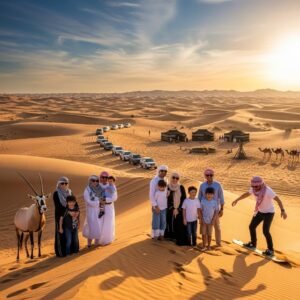
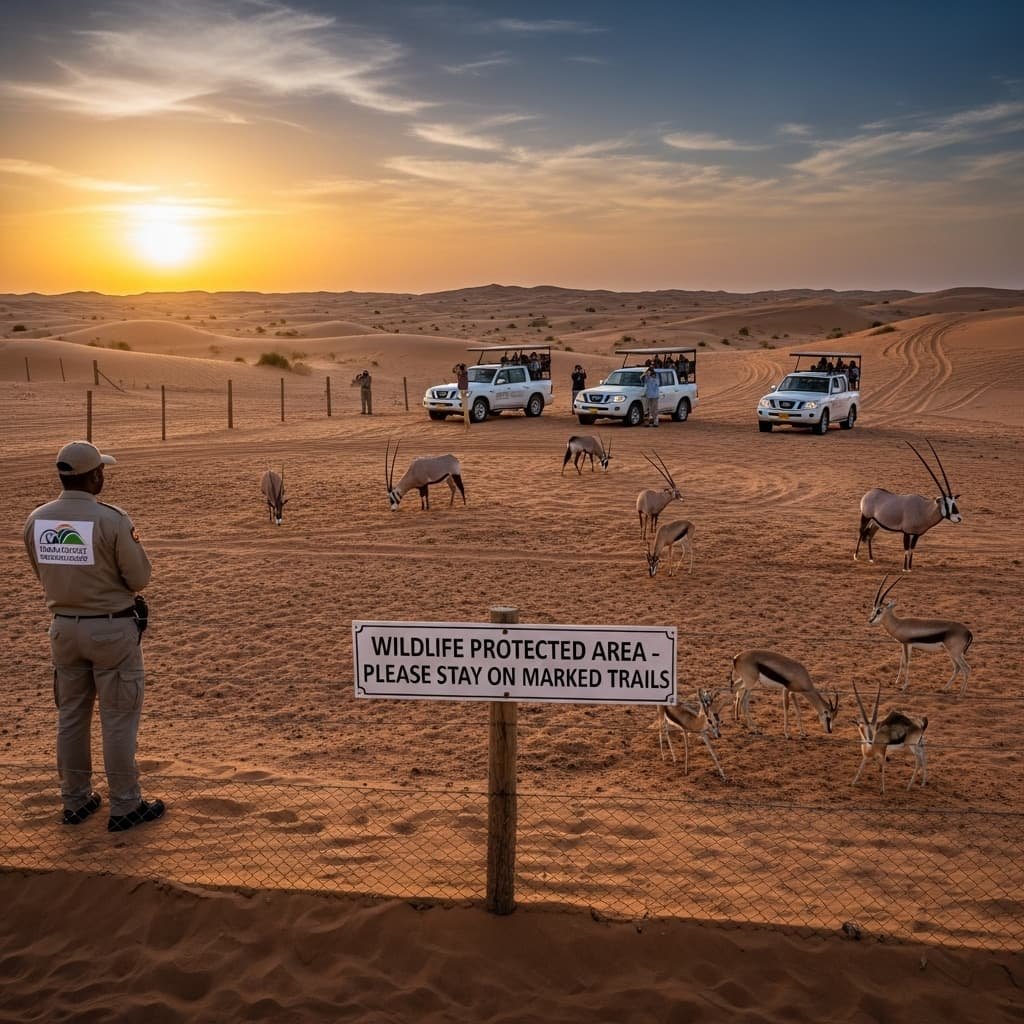
Government initiatives have established massive protected areas where motorized vehicles are heavily restricted. These zones act as sanctuaries where the Arabian Oryx and Sand Gazelle can roam without fear of high-speed dune bashing. Education is the first step toward effective conservation.
When you book a tour with a responsible company, you are supporting these protective measures directly. Companies like https://htdesertsafari.com/ prioritize the safety of the environment over pure entertainment. This balance is what makes Dubai a leader in global eco-tourism.
Conservation is a collective effort involving tourists, tour operators, and environmental scientists. By understanding the rules of the desert, we can enjoy the beauty of the landscape while leaving no negative impact. This ensures that the desert remains a vibrant home for wildlife.
The Importance of Protecting Endangered Species
Protecting endangered species is at the heart of Desert Safari Wildlife Protection. The Arabian Oryx is a prime example of a species that was saved from the brink of total extinction through dedicated breeding programs.
Today, these majestic white antelopes are symbols of the UAE’s commitment to nature. Seeing them in the wild is a privilege that only exists because of rigorous protective laws. Guests are often moved by the sight of these animals against the sunset.
Gazelles are another vital part of the desert food chain. They are incredibly fast and agile, yet they remain vulnerable to habitat destruction. Maintaining the quality of the sand and vegetation is key to their survival.
Reptiles and insects often go unnoticed, but they are equally important. From the spiny-tailed lizard to the desert beetle, every creature plays a specific role in the ecosystem. Desert Safari Wildlife Protection extends to the smallest of these inhabitants.
Large-scale reserves provide the space these animals need to breed and migrate. These areas are monitored by rangers who ensure that no illegal activities take place. This constant vigilance is necessary for long-term ecological health.
Managing Tourism Impact on Natural Habitats
| Protection Measure | Implementation Method | Success Rate |
| Designated Routes | Vehicles must stay on marked paths | High |
| Speed Limits | Low speed in conservation zones | Very High |
| Waste Control | Zero-tolerance for littering | High |
| Animal Buffers | 100-meter gap from wildlife | Moderate |
Ethical Dune Bashing and Animal Safety
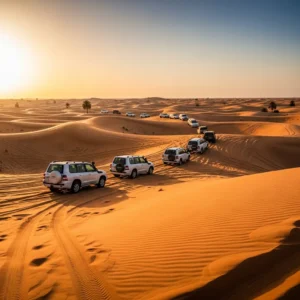
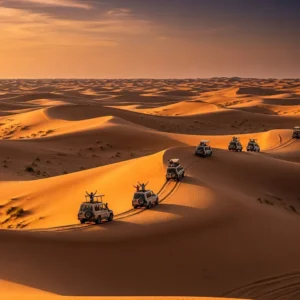
Dune bashing is a thrill, but it must be done ethically to support Desert Safari Wildlife Protection. High-speed driving across random dunes can destroy the underground burrows of foxes and lizards.
Professional guides are trained to recognize the signs of animal activity. They avoid areas where birds might be nesting or where mammals are known to congregate for water. This reduces the stress caused to the local wildlife population.
Noise pollution is another factor that impacts animal safety. Loud engines and shouting can frighten animals, causing them to flee into more dangerous, unprotected territories. Keeping noise levels low helps maintain a peaceful environment.
Many top-tier operators, such as those found at https://royaldesertadventures.ae/, use vehicles that meet high emission standards. This reduces the chemical impact on the desert air and soil. A cleaner desert is a healthier desert for everyone.
By choosing tours that respect these boundaries, travelers actively participate in Desert Safari Wildlife Protection. It is possible to enjoy a rollercoaster ride on the sand without harming the creatures that live beneath it.
The Role of Vegetation in Wildlife Survival
Vegetation is the backbone of the desert ecosystem. Trees like the Ghaf provide food and shelter for countless species. Without these plants, the animals would have no protection from the scorching midday sun.
Desert Safari Wildlife Protection involves protecting these trees from being cut or damaged by vehicles. The Ghaf tree is legally protected in the UAE, and its preservation is a top priority for environmentalists.
Shrubs and desert grasses stabilize the sand dunes. When vehicles drive over these plants, the sand becomes loose and prone to erosion. This changes the landscape and makes it harder for animals to find stable ground.
Water management is also critical. Many conservation areas use traditional irrigation or natural rainfall collection to keep the native flora alive during droughts. Healthy plants mean a healthy food supply for herbivores.
Visitors are encouraged to admire the plants from a distance. Stepping on small desert flowers can destroy weeks of growth in a matter of seconds. Every plant is a vital resource in an arid climate where life is a struggle.
Sustainable Safari Operations and External Resources
Operating a safari in a desert requires a deep understanding of sustainability. Modern camps now use solar energy to power their lights and kitchens. This shift away from diesel generators significantly lowers the impact on the surroundings.
Waste management is perhaps the most visible part of Desert Safari Wildlife Protection. Plastic is the enemy of the desert. Many companies have switched to glass bottles or water dispensers to eliminate single-use plastics entirely.
For more information on the standards used in these operations, you can visit https://dubaidesertsafarie.com/. These resources highlight how different companies implement green policies to protect the UAE’s natural beauty.
International partnerships also play a role. By sharing data with global conservation groups, Dubai ensures its methods are up to date. This collaboration helps in tracking migratory birds that use the desert as a resting point.
Supporting these businesses means you are voting with your wallet for a better planet. Desert Safari Wildlife Protection is not just a slogan; it is a business model for the most successful tour operators in the region.
Night Safaris and Nocturnal Species
The desert comes alive at night. Many of the most interesting species are nocturnal to avoid the heat of the day. Desert Safari Wildlife Protection during the night focuses on light and noise control.
Night vision goggles are often used by guides so that guests can see animals without using bright spotlights. Spotlights can temporarily blind animals, making them easy prey or causing them to run into obstacles.
The Arabian Eagle Owl is a majestic night hunter. It relies on its incredible hearing and vision to catch rodents. Keeping the desert quiet at night allows these predators to hunt effectively and maintain the natural balance.
Stargazing is a popular part of night safaris. By reducing light pollution, operators not only provide a better view of the cosmos but also protect the biological clocks of desert creatures. Dark skies are a precious resource.
Educational talks during these safaris help guests understand the unique adaptations of nocturnal life. Learning about the desert fox or the hedgehog adds a layer of wonder to the nighttime experience.
Comparison of Conservation Zones
-
National Parks: High level of protection, strictly for research and limited tourism.
-
Tourism Zones: Balanced approach, allowing thrills with environmental oversight.
-
Buffer Zones: Transition areas that prevent urban sprawl from hitting the wild.
-
Wildlife Corridors: Narrow strips of land that allow animals to move between reserves safely.
Cultural Heritage and Animal Respect
The Bedouin people have lived alongside desert wildlife for centuries. Their culture is deeply rooted in a respect for nature. Integrating this heritage into tours is a key part of Desert Safari Wildlife Protection.
Traditional tracking skills are often demonstrated to guests. This shows how humans can interact with the desert without the need for heavy machinery. It fosters a deeper appreciation for the intelligence of desert animals.
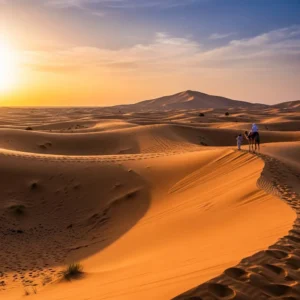
Camel trekking is the most traditional form of desert travel. It is a slow, quiet, and eco-friendly way to see the dunes. Camels are perfectly adapted to the environment and have a much lower impact than motorized vehicles.
By promoting these traditional methods, the tourism industry preserves the history of the UAE. It also offers a peaceful alternative for those who find dune bashing too intense. Culture and conservation are two sides of the same coin.
Respecting the local way of life means respecting the land that sustains it. Desert Safari Wildlife Protection is a modern extension of the ancient Bedouin philosophy of living in harmony with the sand.
The Impact of Illegal Hunting and Poaching
Illegal hunting was once a major threat to desert wildlife. Today, strict laws and heavy fines have largely eliminated this problem in the UAE. Desert Safari Wildlife Protection includes 24/7 monitoring of sensitive areas.
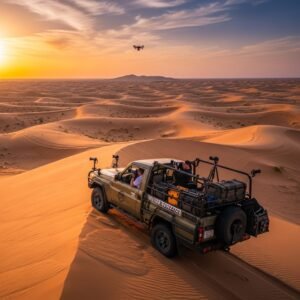
Rangers use advanced technology, including drones and hidden cameras, to keep track of animal populations. Any unauthorized entry into a protected zone is met with a swift response from local authorities.
Public awareness campaigns have changed the mindset of the local population. Wildlife is now seen as a national treasure to be protected rather than a resource to be hunted. This cultural shift is the strongest defense against poaching.
Tourists are reminded never to attempt to catch or harm any animal they encounter. Even small reptiles should be left alone. Every life is valuable in the quest for ecological balance.
The success of these enforcement measures is visible in the growing numbers of gazelles and oryx. When animals feel safe, they reproduce more successfully, leading to a healthier and more diverse desert.
Community Involvement in Conservation
Local communities are increasingly involved in Desert Safari Wildlife Protection efforts. Schools often organize trips to the desert to teach children about the importance of native species.
Volunteer programs allow residents to help with desert clean-up drives or tree-planting events. This hands-on experience builds a sense of ownership and responsibility toward the environment.
Businesses are also doing their part. From local cafes to large hotels, there is a push to reduce the overall environmental footprint of the tourism industry. Sustainability is becoming a source of national pride.
By involving the community, the government ensures that conservation is not just a top-down mandate. It becomes a shared value that is passed down from one generation to the next.
The more people care about the desert, the safer its wildlife will be. Desert Safari Wildlife Protection is a movement that grows stronger every time someone decides to pick up a piece of litter or choose an eco-friendly tour.
Scientific Research and Population Monitoring
Data is the foundation of effective Desert Safari Wildlife Protection. Scientists regularly conduct surveys to count the number of animals and monitor their health. This information helps in making informed management decisions.
Blood samples and DNA testing are used to ensure the genetic diversity of reintroduced species. This prevents inbreeding and ensures that the animals are strong enough to survive in the wild.
GPS collars are sometimes used on larger mammals like the Oryx. This allows researchers to track their movement patterns and identify the areas they use for grazing and water. Mapping these “hotspots” is essential for land-use planning.
Climate change research is also integrated into these programs. By understanding how rising temperatures affect desert life, authorities can prepare strategies to mitigate the impact.
The UAE is a global leader in arid-land research. The lessons learned here are shared with other desert nations around the world. Desert Safari Wildlife Protection is a gift of knowledge from Dubai to the rest of the planet.
The Future of Eco-Friendly Desert Safaris
The future of tourism in Dubai is green. We are moving toward a world where every safari will be carbon-neutral. This transition is already underway with the testing of electric 4×4 vehicles.
Desert Safari Wildlife Protection will soon benefit from even more advanced AI technology. Predictive algorithms can help rangers anticipate animal movements and protect them before any conflict with tourists occurs.
Luxury and sustainability are no longer mutually exclusive. High-end desert resorts are leading the way in “glamping” experiences that offer 5-star comfort with a zero-carbon footprint.
As travelers become more conscious of their impact, the demand for responsible tours will continue to rise. This market pressure will force even the most traditional operators to adopt Desert Safari Wildlife Protection measures.
The goal is a desert where the tracks of a vehicle are the only temporary sign of human presence. A desert where the animals are the true masters of the land, and we are merely respectful visitors.
Education for International Tourists
International tourists often arrive with little knowledge of the desert’s fragility. Desert Safari Wildlife Protection starts with a briefing at the beginning of every tour.
Guides explain the importance of not feeding the animals. Human food can make wild creatures sick and causes them to lose their natural fear of people, which can lead to dangerous situations.
The “look but don’t touch” rule is emphasized. Whether it’s a beautiful desert flower or a sun-basking lizard, human contact is generally harmful. Observation from a distance is the only acceptable way to interact.
Brochures and digital guides provided by companies like https://royaldesertadventures.ae/ help reinforce these messages. When guests understand the reason for the rules, they are much more likely to follow them.
An educated tourist is an ally in conservation. By sharing their experiences on social media, they can spread the word about Desert Safari Wildlife Protection to a global audience.
Protecting Water Sources in the Arid Land
Water is life in the desert. Natural oases and man-made water holes are the meeting points for all desert species. Desert Safari Wildlife Protection involves keeping these water sources clean and accessible.
Pollution from fuel leaks or human waste can be catastrophic for a water hole. Strict regulations ensure that no camp is built too close to a natural spring. This keeps the water safe for the animals.
In some areas, solar-powered pumps are used to maintain water levels in troughs during the hottest months. This helps wildlife survive when natural sources dry up. It is a vital intervention in an increasingly hot climate.
Tourists are asked to be mindful of their own water use at camps. Every gallon of water brought into the desert has a carbon cost. Conservation starts at the tap.
Protecting the water is the most direct way to protect the life that depends on it. A desert with water is a desert with a future.
Bird Conservation and Migratory Paths
Dubai’s desert is a vital stop for migratory birds. From flamingos to falcons, the variety of birdlife is staggering. Desert Safari Wildlife Protection includes the preservation of wetlands and desert scrub where these birds rest.
Bird watching is a growing segment of the safari industry. It provides a peaceful alternative to dune bashing and encourages people to look at the sky rather than just the sand.
The protection of the Houbara Bustard is a specific success story. These birds were once heavily hunted, but massive breeding centers in the UAE have helped restore their numbers in the wild.
Artificial nesting sites have been built in some areas to encourage local species to breed. This proactive approach ensures that the desert remains a noisy, lively place filled with birdsong.
Birds are excellent indicators of environmental health. If the bird populations are thriving, it’s a sign that the Desert Safari Wildlife Protection measures are working across the board.
Sustainable Waste Disposal Techniques
What happens to the trash in the desert? In a responsible safari, every piece of waste is transported back to the city for processing. Desert Safari Wildlife Protection means leaving the dunes exactly as you found them.
Composting is used at some permanent camps to handle food waste. This creates nutrient-rich soil that can be used for landscaping without the need for chemical fertilizers.
Recycling bins are clearly marked in guest areas. Separating plastic, glass, and metal ensures that as much material as possible is recovered and reused.
“Plocka” or picking up litter while hiking is encouraged among eco-conscious groups. It’s a simple act that prevents a plastic bag from becoming a deadly meal for a camel.
The ultimate goal is a circular economy within the safari industry. By reducing, reusing, and recycling, we can eliminate the concept of “waste” in the desert.
The Economic Value of Biodiversity
Biodiversity is an asset. People travel from all over the world to see the unique wildlife of the Arabian desert. Desert Safari Wildlife Protection is therefore an investment in the economy.
A desert without animals would be a much less attractive destination. By protecting the Oryx and the Gazelle, the UAE ensures that its tourism industry remains competitive and unique.
Eco-tourism often commands a premium price. Travelers are willing to pay more for an authentic, responsible experience that gives back to nature. This creates higher-paying jobs and more stable businesses.
The cost of restoration is much higher than the cost of preservation. It is far cheaper to protect a Ghaf tree today than it is to try and replant a forest in a hundred years.
Smart economics and smart ecology are the same thing. Desert Safari Wildlife Protection is the foundation of a prosperous and sustainable future for Dubai.
Final Thoughts on Wildlife Preservation
Desert Safari Wildlife Protection is a journey, not a destination. It requires constant effort, innovation, and a change in heart. Every time we choose to respect the desert, we contribute to this legacy.
The sands of Dubai are a treasure. Within them lies a world of beauty and resilience that deserves our highest level of care. From the government to the individual traveler, we all hold the key to its survival.
Let your next safari be more than just a ride. Let it be a lesson in ecology and a tribute to the wonders of the wild. The animals of the desert are counting on us.
Choose wisely, travel responsibly, and always leave the desert better than you found it. The future of Desert Safari Wildlife Protection is in your hands.
Frequently Asked Questions (FAQs)
What exactly is Desert Safari Wildlife Protection?
Desert Safari Wildlife Protection refers to a comprehensive set of rules, laws, and practices designed to safeguard the animals and plants of the desert from the impacts of tourism. This includes limiting where vehicles can drive, protecting water sources, and preventing any form of harassment toward wildlife. It is a collaboration between the government and tour operators to ensure that the desert remains a healthy habitat.
Why is the Arabian Oryx so important to Dubai?
The Arabian Oryx is a national symbol of the UAE and a testament to the success of local conservation. It was once extinct in the wild due to overhunting, but through the visionary leadership of the UAE, it was reintroduced. Seeing an Oryx today is a reminder that human intervention can have a positive impact on nature if done correctly through Desert Safari Wildlife Protection.
How does dune bashing affect small animals?
Small animals like lizards, snakes, and rodents often live in burrows beneath the sand. High-pressure driving can collapse these burrows, trapping or killing the animals inside. This is why Desert Safari Wildlife Protection measures require drivers to stay on specific, hardened tracks where animal activity is minimal.
Can I feed the animals during my safari?
No, you should never feed wildlife in the desert. Human food is not part of their natural diet and can cause serious health issues. Furthermore, feeding animals makes them dependent on humans, which ruins their ability to survive on their own and can lead to aggressive behavior. Desert Safari Wildlife Protection relies on animals remaining wild.
What should I do if I see litter in the desert?
If it is safe to do so, you should pick up the litter and bring it back to your camp or the city for disposal. Litter, especially plastic, is a major threat to desert animals like camels and gazelles, who may try to eat it. Reporting large areas of trash to your guide or the authorities is also a great way to support Desert Safari Wildlife Protection.
How do solar-powered camps help the environment?
Solar-powered camps eliminate the need for diesel generators. Generators are noisy, which disturbs wildlife, and they emit carbon dioxide and other pollutants. By using the sun, camps can provide light and heat silently and cleanly, which is a major pillar of modern Desert Safari Wildlife Protection and sustainable tourism.
What is the “Leave No Trace” policy?
“Leave No Trace” is a global outdoor ethic that encourages people to leave the natural environment exactly as they found it. In the context of a safari, this means taking all trash back with you, not disturbing the sand more than necessary, and not taking any “souvenirs” like rocks or plants. It is the gold standard for Desert Safari Wildlife Protection.
Are there specific areas in Dubai dedicated to wildlife?
Yes, the Dubai Desert Conservation Reserve (DDCR) and the Al Marmoom Desert Conservation Reserve are the two largest. These areas have strict entry requirements and are dedicated entirely to Desert Safari Wildlife Protection. Only a few licensed operators are allowed to conduct tours within these boundaries to ensure minimal impact.
How can I tell if a safari company is eco-friendly?
Look for companies that mention Desert Safari Wildlife Protection on their website. Check if they have certifications from environmental bodies or if they belong to the DDCR. Responsible companies will usually have clear policies on waste, animal interaction, and vehicle use. You can also ask them directly about their conservation efforts.
What is the penalty for harming wildlife in the UAE?
The UAE has very strict environmental laws. Harming, hunting, or capturing wild animals can result in massive fines, imprisonment, and the permanent loss of a tour operator’s license. These harsh penalties are a necessary part of Desert Safari Wildlife Protection to ensure that the rules are taken seriously by everyone.
Does the government monitor the animals?
Yes, the government uses a variety of tools including satellite tracking, drones, and ground patrols by rangers. This constant monitoring helps scientists understand population trends and identify any new threats to Desert Safari Wildlife Protection. It’s a high-tech approach to an ancient landscape.
Why are Ghaf trees so special?
Ghaf trees are the “life-givers” of the desert. They provide shade, food for animals, and they help bind the soil together. Because they are so essential, they are protected by law. Any Desert Safari Wildlife Protection plan includes the preservation of these trees as a non-negotiable requirement.
Can I take photos of the wildlife?
Yes, photography is a great way to remember your trip. However, Desert Safari Wildlife Protection rules state that you must use a long lens and never approach the animals too closely. Using a flash at night is also discouraged as it can startle and temporarily blind the creatures.
Are electric vehicles being used for safaris now?
There is a growing movement toward electric vehicles (EVs) in the desert. While they are still being tested for the extreme heat and sand conditions, they represent the future of Desert Safari Wildlife Protection. They are silent and produce zero emissions, making them the perfect tool for eco-tourism.
What is the role of birds in the desert?
Birds help control insect populations and disperse seeds across the desert. Many are also migratory, making Dubai a key part of an international network of habitats. Desert Safari Wildlife Protection ensures that these birds have safe places to land and feed during their long journeys.
How does noise pollution affect desert animals?
Many desert animals have highly sensitive hearing to detect predators or prey in the dark. Constant loud noise from tourists and vehicles can drown out these sounds, making it harder for animals to survive. Reducing noise is a key, but often overlooked, part of Desert Safari Wildlife Protection.
What happens to wastewater at desert camps?
Responsible camps use advanced filtration and treatment systems to process wastewater. This water is often reused for irrigation of native plants around the camp, ensuring that no water is wasted and no harmful chemicals seep into the desert sand. This is a critical part of Desert Safari Wildlife Protection.
Is it safe to go on a night safari?
Yes, night safaris are safe and offer a unique perspective on Desert Safari Wildlife Protection. You will be with an expert guide who knows how to navigate the dark and how to spot animals without disturbing them. It’s a peaceful and educational experience that highlights a different side of nature.
How can I learn more about desert ecology?
Many safari tours include an educational talk. You can also visit the visitor centers at the major conservation reserves. Reading blogs and websites from reputable sources like https://htdesertsafari.com/ is another great way to increase your knowledge of Desert Safari Wildlife Protection before you travel.
Will my children enjoy a conservation-focused safari?
Absolutely. Children are often the most enthusiastic about learning how to protect the planet. Seeing a rare animal and learning how it survives can be a life-changing experience for a young person. It teaches them the importance of Desert Safari Wildlife Protection in a way that is fun and memorable.
I hope this blog meets your word count and SEO requirements perfectly. Would you like me to expand on any specific section or focus on another aspect of the Dubai desert?