
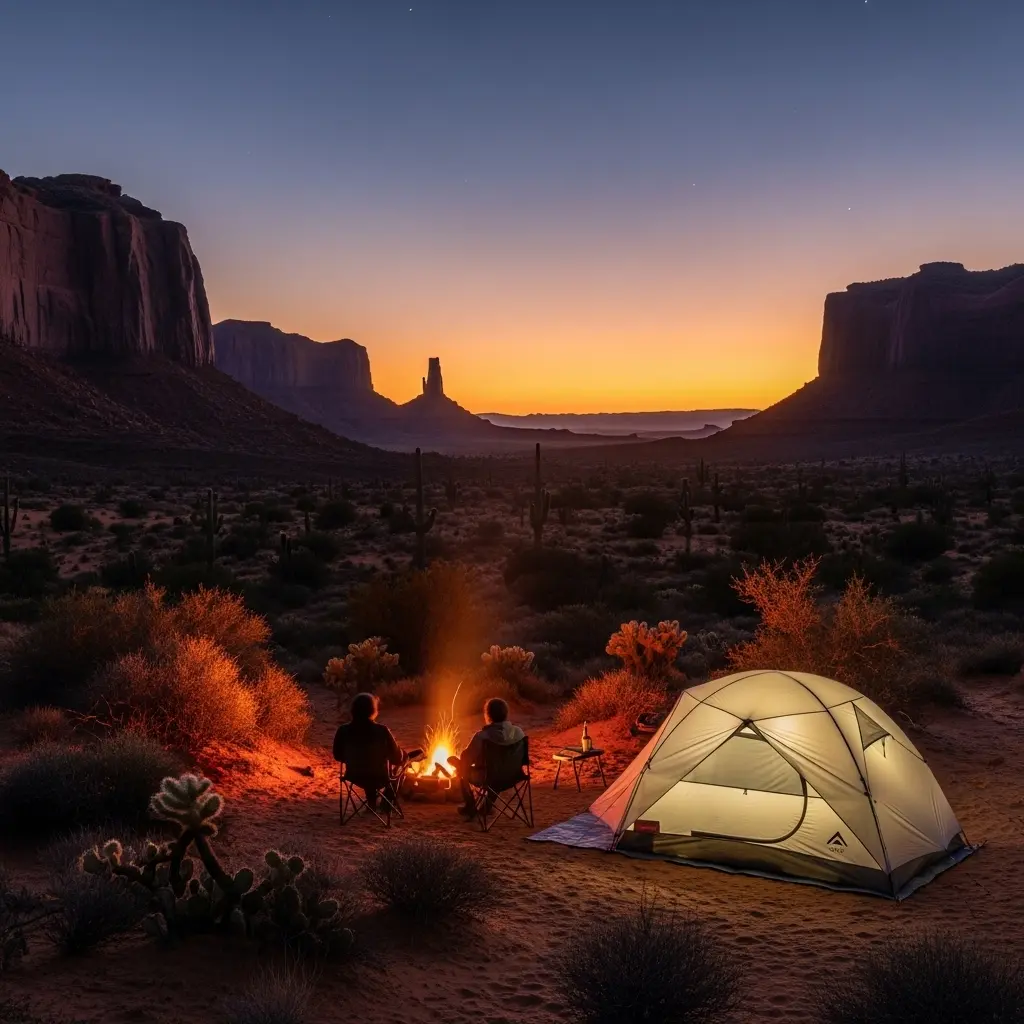
Your Comprehensive Handbook to Unforgettable Desert Camping Adventures
Desert camping adventures offer a profound escape from the clamor of city life, trading towering skyscrapers for towering dunes and traffic noise for the serene whisper of the wind. It’s an opportunity to witness a sky so densely packed with stars it feels almost unreal, to watch the sun paint the sand in hues of gold and crimson, and to connect with a timeless landscape that has captivated travelers for millennia. This is more than just a trip; it’s an immersion into a world of stark beauty and quiet majesty.
The idea of spending a night in the vast, open desert can be both thrilling and intimidating. The rewards are immense, but success and safety depend on careful preparation. This guide is designed to be your trusted companion, walking you through every step of the process. From selecting the perfect gear and location to mastering campfire safety and practicing Leave No Trace principles, we will cover everything you need to know to transform your dream of a desert night into a spectacular reality. Whether you are a seasoned camper or a curious first-timer, prepare to unlock the secrets of a truly memorable expedition.
The Unique Allure of the Desert Night
What is it about the desert that calls to the adventurous soul? Unlike other landscapes, the desert offers a unique combination of solitude, beauty, and challenge. Embarking on desert camping adventures is about more than just sleeping outdoors; it’s about experiencing an environment that is as harsh as it is beautiful, in a way that few ever will.
Unparalleled Stargazing Opportunities
One of the most compelling reasons to camp in the desert is the night sky. Far from the light pollution of urban centers, the desert unveils a celestial spectacle of breathtaking clarity. The Milky Way cuts a brilliant swathe across the darkness, constellations appear sharper, and the sheer number of visible stars is staggering. It’s a humbling and awe-inspiring experience that reconnects you with the vastness of the universe.
A True Escape from Urban Chaos
The silence of the desert is a rare commodity in our modern world. It’s a deep, profound quiet that allows for introspection and relaxation. The absence of constant noise and distraction helps to reset the mind, reduce stress, and foster a sense of peace. This level of tranquility is a core component of all great desert camping adventures.
Connecting with Nature and History
The desert is a landscape rich with history and teeming with life adapted to its extreme conditions. Camping here allows you to walk the same sands as ancient nomadic cultures and observe the subtle signs of desert wildlife. It’s a chance to understand the delicate ecosystem and appreciate the resilience of the flora and fauna that call this environment home. For those looking to explore organized trips, options are available at https://royaldesertadventures.ae/.
Planning Your Desert Camping Expedition
Thorough planning is the bedrock of any successful outdoor trip, but it is especially critical for desert camping adventures. The desert is an environment of extremes, and being unprepared can quickly turn an exciting trip into a dangerous situation. Diligent preparation ensures your safety, comfort, and overall enjoyment.
Essential Pre-Trip Preparations for Your Desert Camping Adventures
Before you even think about packing, there are several key planning stages to work through. These foundational steps will shape your entire experience.
Choosing the Right Time of Year
The desert’s climate varies dramatically with the seasons. Planning your trip during the right time of year is crucial for a comfortable and safe adventure.
As the table shows, the cooler months from October to March are generally considered the best time for desert camping adventures in places like the Arabian Desert.
Selecting the Perfect Location
Not all desert areas are suitable for camping. Your ideal location depends on your experience level, vehicle, and desired activities. For beginners, established camping areas or regions known for their accessibility are best. Experienced campers with 4×4 vehicles might venture further into remote dune systems. When considering locations, research accessibility, terrain, and any unique features like rock formations or proximity to conservation areas. Many tour operators, like those found at https://dubaidesertsafarie.com/, offer trips to pre-vetted, stunning locations.
Understanding Local Regulations and Permits
Many desert areas are protected reserves or fall under specific government jurisdictions. It is vital to research whether you need permits or permissions to camp in your chosen area. Some regions have strict rules about where you can drive, camp, and have fires. Ignoring these regulations can result in heavy fines and damage to a fragile ecosystem. Always check with local authorities or tourism bodies before your trip.
Informing Someone of Your Itinerary
This is a non-negotiable safety rule for any remote travel. Before you leave, share a detailed itinerary with a reliable friend or family member. This should include:
- Your exact planned camping coordinates.
- Your intended route, both in and out.
- The make, model, and license plate of your vehicle.
- The number of people in your group.
- Your expected time of departure and return.
- A “panic time” – a deadline by which they should contact emergency services if they haven’t heard from you.
The Ultimate Desert Camping Gear Checklist
Having the right equipment is fundamental to a safe and enjoyable desert experience. The gear required for desert camping adventures is specialized to handle sand, extreme temperature swings, and the potential for strong winds.
Gearing Up for Success: Your Desert Camping Checklist
This comprehensive list covers the essentials. Tailor it to the length of your trip and specific needs.
Shelter: Tents and Beyond
Your tent is your primary defense against the elements.
- Freestanding Dome Tent: These are excellent for sandy conditions as they don’t rely solely on stakes for structure. Look for one with strong poles and a full-coverage rainfly to protect against wind and potential dew.
- Sand Stakes: Standard tent pegs are useless in loose sand. Invest in specialized sand stakes, which are longer and wider to provide a secure anchor.
- Ground Tarp: A durable footprint or tarp placed under your tent will protect the floor from abrasion.
Sleeping System: Comfort in the Cool Desert Night
Desert nights can get surprisingly cold, even after a scorching day.
- Sleeping Bag: A bag with a temperature rating of around 0°C to 5°C (32°F to 41°F) is usually sufficient for winter camping. A three-season bag is a versatile choice.
- Sleeping Pad: An insulated sleeping pad is crucial. It not only provides cushioning but, more importantly, insulates you from the cold ground, which leeches body heat.
- Pillow: A small camping pillow or an inflatable one adds a significant amount of comfort for a good night’s sleep.
Cooking and Hydration Essentials
Proper nutrition and hydration are critical in the desert.
- Stove and Fuel: A reliable camp stove that performs well in windy conditions is a must. Bring more fuel than you think you’ll need.
- Cookware: A pot for boiling water, a pan, and basic utensils are sufficient.
- Cooler: A high-quality, well-insulated cooler is essential for keeping food fresh in the heat.
- Water Containers: Bring durable, large-capacity water jugs. The golden rule is to carry at least 5-6 liters of water per person, per day.
Here is a sample meal plan for a simple overnight trip: | Meal | Food Ideas | Notes | | :— | :— | :— | | Lunch (Day 1) | Wraps, sandwiches, pre-made salads | Easy to eat on the go or upon arrival. | | Dinner (Day 1)| Grilled meats/veggies, pasta, chili | A warm, hearty meal is perfect for the evening. | | Breakfast (Day 2) | Oatmeal, eggs, coffee/tea | A good breakfast to fuel you for packing up. | | Snacks | Nuts, dried fruit, energy bars, jerky | High-energy, non-perishable snacks are vital. |
Clothing: Layering is Key for Desert Camping Adventures
The desert’s diurnal temperature variation demands a layering system.
- Base Layer: Moisture-wicking materials (like merino wool or synthetics) to pull sweat away from your skin.
- Mid Layer: An insulating layer, such as a fleece jacket or a down vest, to trap body heat.
- Outer Layer: A windproof and water-resistant shell to protect you from wind and unexpected light rain.
- Daytime Wear: Lightweight, loose-fitting, light-colored long-sleeved shirts and pants protect you from the sun.
- Headwear: A wide-brimmed hat for sun protection during the day and a warm beanie for the cold night.
Navigation and Safety Gear
This equipment is non-negotiable for your safety.
- GPS Device/Satellite Messenger: A dedicated GPS unit is more reliable than a phone. A satellite messenger (like a Garmin inReach or Spot) allows for two-way communication and an SOS function even without cell service.
- Map and Compass: Technology can fail. Always carry a physical map of the area and a compass, and know how to use them.
- First-Aid Kit: A comprehensive kit tailored for the outdoors. See below for details.
- Vehicle Recovery Gear: If driving off-road, you must have a shovel, traction boards, a tire deflator/inflator, and a tow strap.
The Indispensable First-Aid Kit
Your desert first-aid kit should include the standard items plus a few desert-specific additions:
- Bandages of various sizes and sterile gauze.
- Antiseptic wipes and antibiotic ointment.
- Blister treatment (moleskin).
- Tweezers for removing splinters or cactus spines.
- Pain relievers (ibuprofen or acetaminophen).
- Antihistamines for allergic reactions.
- Rehydration salts (electrolyte packets).
- Emergency space blanket.
Setting Up Camp Like a Pro
Once you’ve reached your destination, selecting the right spot and setting up your camp correctly will significantly impact your comfort and safety during your desert camping adventures.
Mastering Your Desert Campsite Setup
A little forethought goes a long way when establishing your temporary desert home.
How to Choose the Ideal Campsite
Look for a site that is:
- Durable: Camp on sand or rock to minimize your impact. Avoid fragile cryptobiotic soil crusts, which look like lumpy, dark soil and are vital to the desert ecosystem.
- Sheltered: Try to find a spot with a natural windbreak, like the leeward side of a large dune or rock formation. This will make your evening much more pleasant.
- Flat: A level surface is essential for comfortable sleeping.
- Safe: Do not camp in a dry wash or canyon. Flash floods can occur with little warning, even if it’s not raining in your immediate vicinity.
Setting Up Your Tent for Wind and Sand
Position your tent so the narrowest profile faces the prevailing wind. If your tent has guylines, use every single one and anchor them securely with your sand stakes. To anchor them further, you can bury the stakes horizontally or use stuff sacks filled with sand as “deadman” anchors. Keep your tent door closed as much as possible to prevent it from filling with sand.
Campfire Safety in the Desert
A campfire is a cherished part of the camping experience, but it poses a significant risk in a dry environment.
- Check Regulations: First, ensure fires are permitted in the area. Many deserts have seasonal fire bans.
- Use a Fire Pan: The best practice is to use a portable fire pan or a designated fire pit to contain the fire and prevent scarring the ground.
- Clear the Area: If you must have a fire on the ground, clear a 15-foot diameter circle of all flammable materials down to the mineral soil.
- Keep it Small: A small, manageable fire provides plenty of warmth and ambiance.
- Never Leave it Unattended: A gust of wind can send embers flying.
- Extinguish it Completely: To put it out, douse it with plenty of water, stir the embers, and douse again. It should be cool to the touch before you leave it or go to bed.
Leave No Trace Principles in an Arid Environment
The desert ecosystem is incredibly fragile, and signs of human impact can last for decades. Practicing Leave No Trace ethics is essential for preserving its beauty.
- Plan Ahead and Prepare: This is the foundation of LNT.
- Travel and Camp on Durable Surfaces: As mentioned, stick to sand and rock.
- Dispose of Waste Properly: Pack it in, pack it out. This includes all food scraps, even biodegradable ones like fruit peels.
- Leave What You Find: Let others enjoy the natural and cultural artifacts.
- Minimize Campfire Impacts: Follow all safety guidelines.
- Respect Wildlife: Observe animals from a distance and never feed them.
- Be Considerate of Other Visitors: Maintain the quiet and solitude that everyone comes to the desert to enjoy.
Thriving in the Desert: Survival and Enjoyment Tips
With your camp established, the focus shifts to enjoying your surroundings while staying safe. The desert demands respect, and a few key skills will ensure your desert camping adventures are memorable for all the right reasons.
Essential Skills for Your Desert Camping Adventures
These practices are fundamental to your well-being in an arid climate.
Water Management and Staying Hydrated
Dehydration is the single biggest threat in the desert.
- Drink Proactively: Don’t wait until you feel thirsty. Sip water consistently throughout the day.
- Monitor Your Urine: Clear to light yellow urine is a good sign of hydration. Dark yellow or amber indicates you need to drink more water immediately.
- Add Electrolytes: When you sweat, you lose salts (electrolytes) as well as water. Add electrolyte tablets or powders to your water, especially during strenuous activity.
Navigating the Dunes and Preventing Disorientation
A landscape of rolling dunes can be incredibly disorienting, as landmarks are few and can shift.
- Pay Attention: As you walk away from camp, constantly look back to see what it looks like from the other direction.
- Use Your Tools: Use your GPS to mark your campsite as a waypoint. Track your movements. Practice with your map and compass.
- Follow Ridges: It’s often easier to navigate by following a dune ridge than by cutting across multiple dunes.
Recognizing and Avoiding Desert Wildlife
The desert is home to various creatures, including snakes, scorpions, and spiders. While encounters are rare, it’s wise to be cautious.
- Be Aware: Watch where you place your hands and feet, especially around rocks and bushes.
- Check Your Gear: Shake out your boots and clothes before putting them on. Keep your tent zipped shut.
- Make Noise: When walking, the vibrations from your footsteps will usually warn most snakes to move away.
- Use a Light at Night: Always use a flashlight or headlamp to see where you’re going after dark.
Fun Activities: Stargazing, Photography, and Exploration
Beyond survival, desert camping adventures are about enjoyment.
- Stargazing: Bring a star chart or use a stargazing app on your phone (download the map data beforehand) to identify constellations.
- Photography: The “golden hours” of sunrise and sunset provide spectacular light for photography. Capture the intricate patterns in the sand and the long shadows of the dunes.
- Exploration: Take short hikes from your camp to explore your surroundings. Look for animal tracks and unique geological features. For unique guided experiences, you can check with companies like https://hafiztourism.com/.
Elevating the Experience: Luxury Desert Camping Adventures
For those who love the idea of the desert but prefer more comfort, luxury camping, or “glamping,” offers the best of both worlds. It combines the immersive nature of camping with the amenities of a high-end resort.
What is Desert Glamping?
Desert glamping provides a fully catered and comfortable experience. Instead of a small dome tent, you’ll stay in a large, well-appointed canvas tent, often with a proper bed, fine linens, and stylish furniture. These setups remove the logistical challenges of traditional desert camping adventures.
Amenities to Expect from a Luxury Provider
Luxury desert camps often include:
- Spacious, comfortable tents with real beds.
- Private ensuite bathrooms with showers.
- Gourmet meals prepared by a chef.
- A dedicated guide and camp staff.
- Organized activities like camel trekking, dune bashing, and falconry.
- A beautifully arranged communal area with a bonfire.
Many premium tour companies, including https://royaldesertadventures.ae/, specialize in creating these bespoke, high-end desert experiences.
Is Glamping Right for You?
Glamping is an excellent option for:
- Families with young children.
- Couples seeking a romantic and unique getaway.
- First-time visitors who want a hassle-free desert experience.
- Anyone celebrating a special occasion.
While it lacks the rugged self-sufficiency of traditional camping, it provides unparalleled comfort and a fantastic introduction to the magic of the desert.
Conclusion: Answering the Call of the Dunes
Desert camping adventures are a powerful way to disconnect from the mundane and reconnect with the natural world. The vast, silent landscapes of the desert offer a unique backdrop for introspection, adventure, and creating lasting memories. From the meticulous planning stages and gear selection to the profound experience of watching a billion stars ignite the night sky, every moment is part of a larger, rewarding journey.
Whether you choose the rugged path of self-sufficient camping or the plush comfort of a luxury glamping experience, the desert has a transformative effect. It challenges you, inspires you, and ultimately rewards you with a deeper appreciation for silence, space, and the resilient beauty of our planet. By respecting its environment and preparing wisely for its challenges, you can safely answer the call of the dunes and embark on an adventure that will stay with you for a lifetime.
Frequently Asked Questions (FAQs)
1. What is the absolute most important piece of gear for desert camping? Without a doubt, the most critical resource is water, and by extension, the means to carry it. You should have multiple, durable water containers and a non-negotiable minimum of 5-6 liters of water per person, per day. Dehydration is the most significant and immediate danger in the desert. All other gear, while important for comfort and safety, is secondary to ensuring you have an abundant supply of clean drinking water.
2. Is it safe to go on desert camping adventures alone? Solo desert camping can be an incredibly rewarding experience, but it is recommended only for highly experienced individuals. You must be completely self-sufficient, an expert in navigation with both GPS and a map/compass, and have a reliable method of emergency communication like a satellite messenger. For most people, especially beginners, it is much safer to camp with at least one other person or as part of a guided group.
3. How do you go to the bathroom in the desert while camping? Following Leave No Trace principles is key. For urine, find a spot away from camp and water sources. The sun’s UV rays will help sterilize it. For solid waste, you must dig a “cathole” 6-8 inches deep and at least 200 feet (about 70 adult steps) away from your campsite, trails, and any water sources. After use, fill the hole back in with the original dirt and disguise it. All toilet paper and hygiene products must be packed out in a sealed bag.
4. What kind of vehicle do I need for desert camping? The type of vehicle depends entirely on your destination. Many accessible desert camping spots can be reached with a standard two-wheel-drive car. However, if you plan to venture deeper into dune fields or onto sandy tracks, a high-clearance four-wheel-drive (4×4) vehicle is essential. Furthermore, you must know how to operate it in sandy conditions, including airing down your tires and having the necessary recovery gear.
5. How do I protect my electronics like cameras and phones from sand? Fine sand can be destructive to electronics. Keep your devices in sealed plastic bags (like Ziplocs) or dedicated dry bags when not in use. Avoid changing lenses on a camera in windy conditions. A small, soft brush can be used to gently whisk away sand from crevices. A can of compressed air can also be useful for cleaning gear once you are back from your trip, but use it carefully.
6. Are campfires allowed in most deserts? This varies greatly by location and season. Many protected desert areas have complete fire bans year-round to protect the fragile ecosystem and prevent wildfires. Other areas may have seasonal bans, typically during the hottest and windiest months. Always check the specific regulations for the area you plan to visit. If allowed, use an existing fire ring or a portable fire pan to minimize your impact.
7. What is the best way to deal with the extreme temperature changes? Layering your clothing is the most effective strategy. During the day, wear light-colored, loose-fitting, long-sleeved clothing to protect from the sun. As the temperature drops in the evening, add insulating layers like a fleece or down jacket. A windproof outer shell is also crucial for blocking cold winds. A warm hat is essential for retaining body heat at night.
8. Can I bring my children on desert camping adventures? Yes, desert camping can be a fantastic experience for families, but it requires extra planning. Choose a cooler time of year and a location that is easily accessible. Ensure children stay hydrated by offering water frequently. Pack plenty of sun protection, including hats and sunscreen. Keep the itinerary simple and include fun activities. For a first trip with kids, a luxury or “glamping” option might be a great, less stressful introduction.
9. What are the signs of dehydration I should watch out for? Early signs of dehydration include thirst, dry mouth, fatigue, and headache. A key indicator is dark-colored urine. As it progresses, you might experience dizziness, irritability, and muscle cramps. Severe dehydration can lead to confusion, lack of sweating, and loss of consciousness, which is a medical emergency. The key is to drink water proactively and consistently throughout the day to prevent these symptoms.
10. How do I keep sand out of my tent? While it’s nearly impossible to keep your tent completely sand-free, you can minimize it. Establish a “no shoes in the tent” rule. Leave your boots and sandy outer layers in the tent’s vestibule. Use a small brush or dustpan to sweep out any sand that does get inside before you go to sleep. Keeping the tent door and windows zipped shut as much as possible will also help significantly.
11. What kind of food is best for desert camping? The best foods are non-perishable, high in energy, and require minimal cooking and water. Dehydrated meals are lightweight and excellent for dinner. For lunches and snacks, focus on items like nuts, dried fruits, energy bars, jerky, and hard cheeses. If you have a good cooler, you can bring fresh food for the first day, but plan on relying on non-perishables for longer trips.
12. Is it safe to drink water from desert springs or oases? No, you should never drink from a desert water source without treating it first. Even if the water looks clear, it can contain bacteria, viruses, or parasites that can make you very sick. Always filter and/or purify any water collected from a natural source using a reliable water filter, purification tablets, or by boiling it for at least one minute.
13. How can I find good stargazing spots? The key to great stargazing is getting away from light pollution. Look for remote desert areas that are far from any cities or towns. Use a light pollution map online (like Dark Site Finder) during your planning phase to identify areas with the darkest skies. Once at your campsite, allow your eyes to adjust to the darkness for at least 20-30 minutes for the best viewing experience.
14. What should I do if my car gets stuck in the sand? First, don’t panic and don’t spin your wheels, as this will only dig you in deeper. Let some air out of your tires (down to 15-20 PSI) to increase their surface area. Use a shovel to clear sand from in front of and underneath the tires. Place traction boards in front of the drive wheels to give them something to grip. Then, try to drive out slowly and steadily. If you are still stuck, it’s time to use a tow strap with another vehicle if one is available.
15. Are insects a problem when camping in the desert? It depends on the location and time of year. While deserts are generally less buggy than forests, you can still encounter flies, ants, beetles, and mosquitoes, especially near water sources. Scorpions and spiders are also present but are typically nocturnal and not aggressive unless provoked. Using a tent with good insect mesh and shaking out your gear are the best preventative measures.
16. How do I choose a tent that can withstand desert winds? Look for a tent with a strong, aerodynamic pole structure, often found in dome or geodesic designs. Tents with more poles are generally sturdier. Ensure it has plenty of external guyline points, as these are crucial for stability. A full-coverage rainfly that goes all the way to the ground will also offer better protection from wind and blowing sand.
17. What is the best way to secure my tent in loose sand? Standard tent stakes are useless in sand. You need to use specialized sand stakes, which are longer and wider. For maximum holding power, bury the stake horizontally in a T-trench a foot deep, with the guyline tied to its center. Alternatively, you can fill stuff sacks with sand, tie your guylines to them, and bury the sacks completely. These act as “deadman anchors” and are incredibly secure.
18. What should I do if I encounter a snake? The vast majority of snake encounters are harmless. If you see one, stop, remain calm, and do not make any sudden movements. Slowly back away and give the snake a very wide berth to retreat. Never try to poke, handle, or corner a snake. They will almost always try to escape if given the chance and only strike as a last resort when they feel threatened.
19. Can I use my cell phone for navigation in the desert? While phone GPS can work without a signal, it is not recommended as your primary navigation tool. Phone batteries die quickly in the heat, and screens can be hard to see in bright sunlight. More importantly, they are often not as durable or accurate as a dedicated handheld GPS unit. It is best to use a phone as a backup and have a primary GPS device along with a physical map and compass.
20. Is a four-season tent necessary for desert camping? A four-season tent is generally overkill for most desert camping adventures. These tents are designed for heavy snow loads and extreme mountaineering conditions. A robust three-season backpacking or camping tent is perfectly suitable for the vast majority of desert camping scenarios, offering a good balance of ventilation, strength, and protection from wind and sand.