Discovering the Soul of the City: Dubai Cultural Events in Tour Packages
Many travelers see Dubai as a futuristic metropolis of towering skyscrapers and opulent malls. While this is true, the city also possesses a deep and vibrant cultural soul. The best way to uncover this hidden gem is by exploring the array of Dubai Cultural Events often bundled into thoughtfully designed tour packages.
These events offer a genuine connection to the emirate’s rich history, traditions, and heritage. Choosing a tour package is the key to unlocking these experiences seamlessly. It allows you to move beyond the surface-level attractions and immerse yourself in what truly makes Dubai special.
From the timeless traditions of the desert to the bustling energy of seasonal festivals, this guide will explore the incredible cultural tapestry you can experience. We will delve into the year-round attractions and seasonal celebrations that are essential components of a truly memorable trip to Dubai.
Year-Round Immersions: Cultural Cornerstones of Dubai Tours
While seasonal festivals are spectacular, the heart of Dubai’s culture beats year-round. Tour packages are expertly crafted to include these foundational experiences, offering a deep dive into the Emirati way of life. These are the Dubai Cultural Events that are available any time you choose to visit.
The Quintessential Bedouin Culture Experience in a Desert Safari
No trip to Dubai is complete without a desert safari. More than just an adventure, it is a profound Bedouin culture experience. Tour packages transform this excursion into an educational and immersive cultural journey.
The Thrill of Dune Bashing
The adventure begins with dune bashing, where a 4×4 vehicle navigates the stunning golden dunes. This modern thrill pays homage to the Bedouin’s mastery of traversing the challenging desert landscape, their original highway.
Camel Riding: A Step Back in Time
Upon arriving at a traditional desert camp, you are greeted with the opportunity to ride a camel. This slow, rhythmic journey offers a glimpse into the past, connecting you to the way Bedouins traveled and lived for centuries.
The Majesty of Falconry
Falconry is a sport deeply woven into the fabric of Emirati heritage. Many desert safari packages include a breathtaking falconry show. Witnessing the incredible bond between the falconer and the bird is a powerful cultural moment.
Life in a Bedouin Camp
The desert camps themselves are designed to replicate traditional Bedouin life. Here, you can relax on comfortable cushions, try on traditional Arabic attire, and adorn your hands with intricate henna painting. It’s a hands-on way to engage with the culture.
Mesmerizing Traditional Entertainment
As evening falls, the camp comes alive with entertainment. The hypnotic Tanoura dance, a folk dance with a spinning male performer, is a visual spectacle. This is often followed by a captivating belly dance performance, adding to the enchanting desert atmosphere.
A Feast of Emirati Flavors
The culmination of the desert safari is a lavish barbecue dinner under the stars. The menu features a delicious spread of grilled meats, fresh salads, and Arabic sweets, allowing you to savor the authentic tastes of the region. This is one of the most popular Dubai Cultural Events.
Dubai Dhow Cruise Culture: A Voyage Through Time
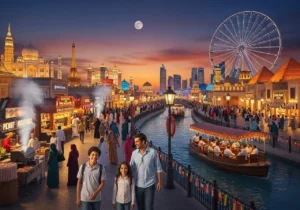
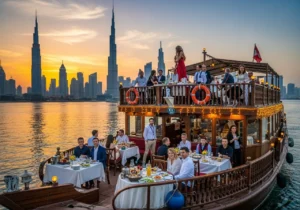
A dhow cruise offers a unique perspective on the city’s history and development. These traditional wooden boats, once used for fishing and pearl diving, now serve as floating restaurants, creating a perfect blend of history and modern leisure.
Cruising Dubai Creek
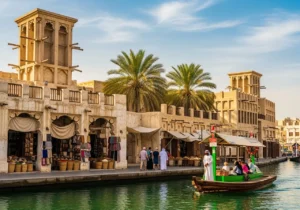
A dhow cruise along the historic Dubai Creek is a journey into the city’s past. This waterway was the original lifeblood of Dubai. As you glide along, you’ll see the stark contrast between the old trading houses and the modern skyline in the distance. This is a key part of Dubai heritage tours.
The Glamour of Dubai Marina
For a more contemporary experience, a dhow cruise in the Dubai Marina offers stunning views of the city’s modern architectural wonders. Sailing past illuminated skyscrapers and luxurious yachts showcases the incredible growth Dubai has witnessed.
Onboard Entertainment and Cuisine
Much like the desert safari, the dhow cruise experience is enhanced by cultural entertainment, typically a Tanoura dance show. Guests are also treated to a buffet dinner with a mix of international and local dishes, making for a delightful evening on the water. The Dubai dhow cruise culture is a relaxed way to absorb the city’s ambiance.
Old Dubai Heritage Tours: Walking Through History
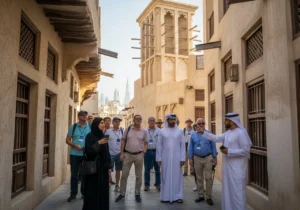
To truly understand Dubai, you must walk its oldest streets. Tour packages focused on Old Dubai heritage tours provide a fascinating narrative of the city’s journey from a small fishing village to a global hub.
The Al Fahidi Historical Neighbourhood
The journey often begins in the Al Fahidi Historical Neighbourhood, also known as Al Bastakiya. Here, you can wander through narrow alleyways, admire the traditional wind-tower architecture, and explore art galleries and quaint cafes. It’s a peaceful escape from the city’s hustle.
Crossing the Creek by Abra
A highlight of any Old Dubai tour is crossing the Dubai Creek on a traditional wooden boat called an Abra. This short, shared boat ride is one of the most authentic and affordable experiences in the city, offering fantastic views and a cool breeze.
The Glitter of the Gold Souk
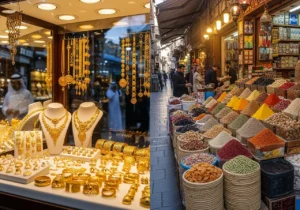
Once across the creek, you enter the dazzling Gold Souk. The sheer amount of gold on display in the shop windows is astounding. It’s a testament to Dubai’s status as the “City of Gold” and a major hub for the jewelry trade.
The Aromas of the Spice Souk
Adjacent to the Gold Souk is the Spice Souk, a sensory delight. The air is filled with the fragrant aromas of cinnamon, turmeric, saffron, and countless other exotic spices. You can also find high-quality dates, nuts, and traditional perfumes here.
Seasonal Spectacles: Major Annual Dubai Cultural Events
Dubai’s calendar is packed with vibrant festivals that celebrate culture, shopping, and food. Tour packages during these times are specially curated to include access to these exciting events.
Dubai Shopping Festival Events: More Than Just Retail
The Dubai Shopping Festival (DSF), typically held in December and January, is a city-wide celebration. While the focus is on retail, it’s also a massive cultural event. Tour packages during DSF often include access to special Dubai Shopping Festival events.
A Global Showcase
DSF features spectacular fireworks displays, live concerts with international stars, and street performances. It’s a time when the city’s multicultural fabric is on full display, making it an exciting and dynamic period to visit.
Dubai Food Festival Packages: A Culinary Celebration
The Dubai Food Festival (DFF), usually held in February or March, celebrates the city’s diverse culinary scene. For food lovers, Dubai Food Festival packages are a dream come true.
Exploring Global Cuisines
The festival includes events like the Etisalat Beach Canteen, where you can sample dishes from pop-up restaurants on the sand. There are also cooking masterclasses, special set menus at high-end restaurants, and celebrations of hidden local gems.
Ramadan in Dubai Tours: A Spiritual and Cultural Journey
Experiencing Dubai during the holy month of Ramadan is a unique cultural opportunity. The city transforms, adopting a slower, more reflective pace during the day and coming alive with celebration after sunset.
The Iftar Experience
Ramadan in Dubai tours often center around the Iftar, the meal to break the fast at sunset. Many hotels and restaurants host lavish Iftar buffets in stunning traditional tents, offering a wide array of Arabic and international dishes. Sharing this meal is a beautiful communal experience.
Suhoor and Night Markets
The celebrations continue late into the night with Suhoor, the pre-dawn meal. The city is beautifully decorated with lights, and vibrant Ramadan night markets pop up, offering shopping and entertainment until the early hours.
UAE National Day Celebrations: A Display of Patriotism
Held on December 2nd, the UAE National Day celebrations are a spectacular display of national pride and heritage. The entire city is draped in the colors of the UAE flag.
Parades and Performances
You can witness car parades, airshows, and traditional Emirati dances like the Al-Ayyala. It’s a joyous time when locals and expatriates come together to celebrate the nation’s history and achievements. Tour packages during this period offer a front-row seat to these festivities.
Niche Cultural Inclusions in Specialized Tour Packages
Beyond the major attractions, some tour packages offer deeper, more focused cultural experiences. These are for travelers who wish to gain a more nuanced understanding of Islamic and Emirati culture.
Jumeirah Mosque Visit: An Open Invitation to Understanding
The Jumeirah Mosque is one of the most beautiful mosques in Dubai and one of the few open to non-Muslim visitors. A Jumeirah Mosque visit is a key feature of many cultural tours. The mosque adheres to an “Open Doors, Open Minds” policy, offering guided tours that explain the tenets of Islamic worship and culture in a welcoming environment.
Sheikh Mohammed Centre for Cultural Understanding (SMCCU)
Located in the Al Fahidi Historical Neighbourhood, the SMCCU is an excellent resource for cultural learning. They offer a range of activities, from traditional Emirati breakfasts and lunches to guided heritage tours and Q&A sessions, all under the motto “Open Doors, Open Minds.”
Dubai Opera: A Hub for Performing Arts
For a taste of contemporary culture, a visit to the Dubai Opera is a must. This stunning dhow-shaped building hosts a wide range of world-class performances, including opera, ballet, concerts, and theatre. Some premium tour packages may include tickets to a show here.
How to Choose the Right Cultural Tour Package
With so many options available, selecting the right tour package is key to a fulfilling experience. Here are a few tips to help you choose wisely.
Compare Itineraries and Inclusions
Look closely at what each package offers. Does it focus more on historical sites or modern entertainment? Does it include entry fees, meals, and a knowledgeable guide? Match the itinerary to your interests.
Read Reviews from Fellow Travelers
Reviews provide honest feedback about the quality of the tour. Look for comments on the guide’s knowledge, the comfort of the transportation, and the overall value for money.
Book Through Reputable Providers
Booking through a trusted provider ensures a smooth and reliable experience. For a wide variety of well-organized tours, including those that cover many of the Dubai Cultural Events, you can explore options on platforms like https://www.royaldesertadventures.ae/. It is also wise to compare offerings on other specialized sites. For example, https://www.dubaidesertsafarie.com/ often has unique desert safari packages, while https://www.hafiztourism.com/ might feature different city tour combinations.
In conclusion, the Dubai Cultural Events included in tour packages offer a rich and diverse window into the heart of the emirate. They prove that beyond the glitz and glamour lies a city with a compelling story, a cherished heritage, and a warm, welcoming spirit waiting to be discovered.
Frequently Asked Questions (FAQs)
1. What is the dress code for visiting cultural sites in Dubai? The dress code for cultural and religious sites in Dubai is conservative and respectful. For both men and women, clothing should cover the shoulders and knees. It is best to avoid shorts, short skirts, and tank tops. When visiting a mosque, such as the Jumeirah Mosque, women will be required to cover their hair. Mosques usually provide traditional attire like an abaya (a long robe) and a shayla (headscarf) for female visitors to borrow, ensuring everyone can enter regardless of what they are wearing. This is an important part of the Jumeirah Mosque visit.
2. Are these cultural tours suitable for families with children? Yes, most Dubai Cultural Events and tours are extremely family-friendly. A desert safari, for example, is a thrilling adventure for children, with camel rides and sandboarding. Old Dubai tours are educational, and the Abra ride is always a hit with kids. The seasonal festivals are packed with family-oriented entertainment. The only consideration might be the late finish of some evening tours, but many private packages can be customized to suit your family’s schedule.
3. How is Ramadan observed by tourists in Dubai? Tourists are welcome in Dubai during Ramadan but are expected to be respectful of those who are fasting. This means you should not eat, drink, or smoke in public places during fasting hours (from sunrise to sunset). However, hotels and resorts have designated dining areas that remain open for non-fasters. The experience of being in Dubai during this time is unique; the city is quieter during the day and comes alive at night with a festive, communal atmosphere. Ramadan in Dubai tours are designed to help you experience this special time respectfully.
4. Can I book a tour package that only focuses on cultural experiences? Absolutely. While many tour packages offer a mix of modern and cultural attractions, there are numerous specialized Dubai heritage tours. These packages focus entirely on sites like the Al Fahidi Historical Neighbourhood, Dubai Museum, the souks, and heritage sites. You can book tours that are dedicated to exploring the city’s history, art, and traditions, providing a deep and focused cultural immersion.
5. What is the best time of year to experience Dubai’s cultural events? The best time to visit for a wide range of Dubai Cultural Events is during the winter months, from November to March. The weather is pleasant, making it ideal for outdoor activities like desert safaris and walking tours. This period also hosts major festivals like the Dubai Shopping Festival, Dubai Food Festival, and UAE National Day celebrations, offering a packed calendar of cultural experiences.
6. Is English widely spoken on these cultural tours? Yes, English is the lingua franca of Dubai’s tourism industry. All tour guides are fluent in English, and information at all major attractions is available in English. This makes it very easy for international visitors to navigate the city and understand the rich context provided during the tours. Many tour companies also offer guides who speak other languages upon request.
7. Are meals included in cultural tour packages? This depends on the specific tour. A desert safari package almost always includes a full barbecue dinner. A dhow cruise package also includes a buffet dinner. However, half-day city tours or Old Dubai heritage tours typically do not include meals, allowing you the flexibility to choose your own dining options. Always check the “inclusions” section when booking your package.
8. What kind of souvenirs can I buy at these cultural sites? The souks in Old Dubai are the best places for authentic souvenirs. In the Spice Souk, you can buy high-quality saffron, dates, and Arabic coffee. The Gold Souk offers intricate jewelry. In the textile souk, you can find beautiful pashminas and silk. Other popular souvenirs include camel-milk chocolate, traditional Arabic lamps, ornate daggers (khanjars), and personalized sand art in a bottle. These make for unique mementos of your Bedouin culture experience.
9. How much walking is involved in an Old Dubai heritage tour? An Al Fahidi Historical Neighbourhood and souks tour involves a considerable amount of walking, typically over two to three hours. The alleyways are best explored on foot. It is highly recommended to wear comfortable, flat shoes. The terrain is mostly flat, but the experience is much more enjoyable when you are not worried about sore feet.
10. Do tour packages include entry fees to attractions? Yes, reputable tour packages will almost always include the necessary entry fees for all the attractions listed in their itinerary. This is one of the key conveniences of booking a package. It means you don’t have to worry about carrying cash for tickets or waiting in line to purchase them. You can simply enjoy the seamless experience planned by your tour operator.
11. What is the Tanoura dance and where can I see it? The Tanoura dance is a traditional folk dance with roots in Sufism. A male performer wearing a heavily weighted, colorful skirt spins continuously, creating a mesmerizing visual spectacle. It is a staple of cultural entertainment in Dubai. You can see this performance during the evening entertainment segment of a desert safari and also on most dhow dinner cruises. It is one of the most captivating Dubai Cultural Events.
12. Is it safe to explore Old Dubai on my own? Yes, Dubai is one of the safest cities in the world, and Old Dubai is perfectly safe to explore on your own. However, the advantage of taking one of the Dubai heritage tours is the context and stories provided by a knowledgeable guide. A guide can help you navigate the winding alleyways, explain the history of the buildings, and offer tips on bargaining in the souks, which greatly enriches the overall experience.
13. What is the difference between Dubai Creek and Dubai Marina? Dubai Creek is the historical heart of the city. It is a natural seawater inlet that was the center of Dubai’s pearling and fishing industries. A tour here offers a glimpse into the city’s past. Dubai Marina is a modern, man-made canal city, surrounded by futuristic skyscrapers and luxurious residences. A tour here showcases the new, glamorous face of Dubai. Both offer distinct but equally fascinating perspectives on the city’s identity.
14. Are vegetarian food options available during the tour dinners? Yes, vegetarian options are widely available. At the desert safari barbecue dinner, there is always a substantial selection of vegetarian dishes, including salads, hummus, pasta, vegetable curries, and lentils. The same applies to the buffets on dhow cruises. Dubai is a very cosmopolitan city, and tour operators are accustomed to catering to a wide range of dietary requirements.
15. Can I take photographs at all cultural sites? Photography is permitted and encouraged at most tourist sites, including the souks, desert, and public areas. However, when visiting religious sites like the Jumeirah Mosque, be mindful and respectful. It is also a rule of etiquette to ask for permission before taking a close-up photograph of local residents, particularly women. Your tour guide will provide specific instructions at each location.