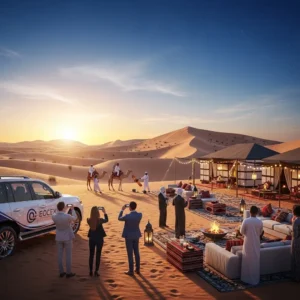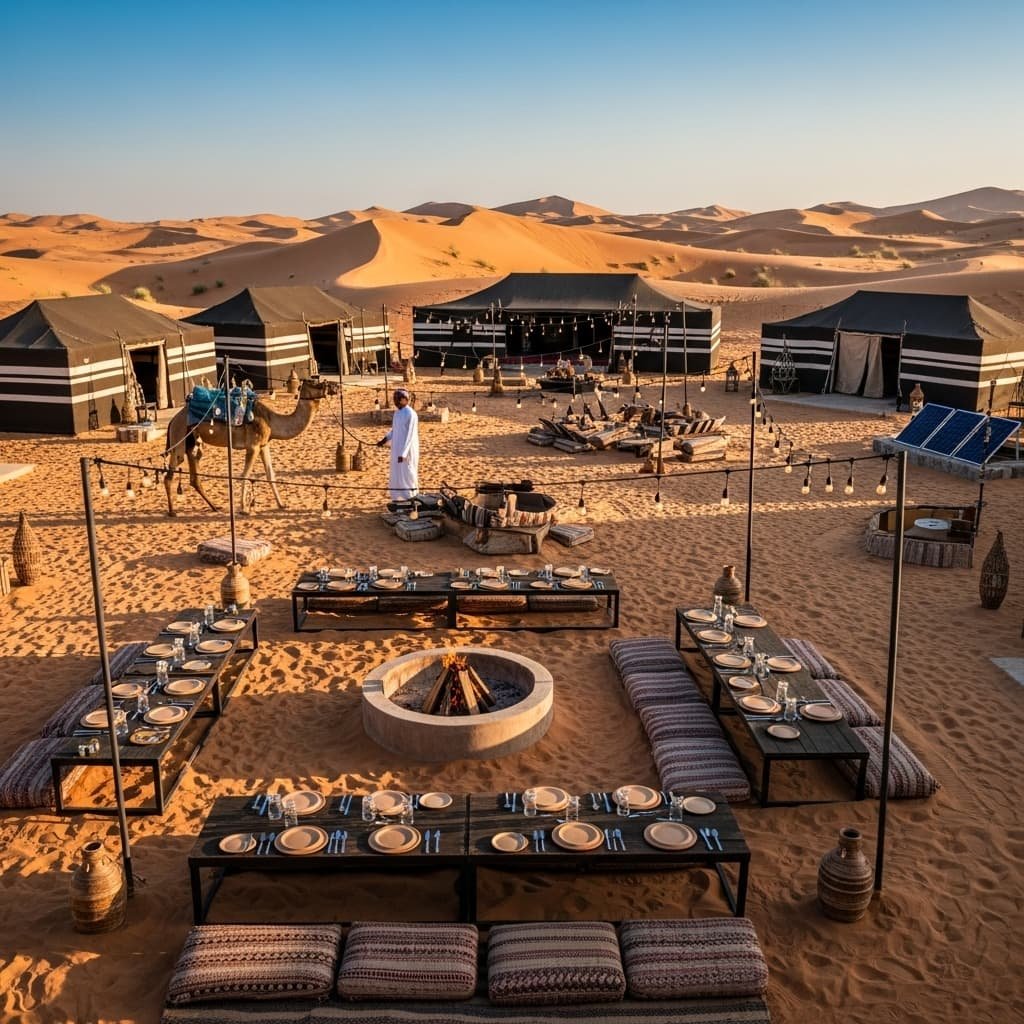
Plastic-Free Camps are the new gold standard for travelers looking to enjoy a Dubai Desert Safari without leaving a trail of pollution behind. As the world shifts toward sustainability, the hospitality sector in the UAE is adapting rapidly. These Plastic-Free Camps offer a refreshing alternative to traditional tourism models.
Choosing a Dubai Desert Safari that prioritizes the environment is a powerful statement. It shows that you value the natural beauty of the desert as much as the thrill of the ride. Plastic-Free Camps implement rigorous systems to ensure that no harmful materials enter the ecosystem.
Why Sustainable Tourism is Essential
The Arabian desert is a fragile environment that hosts unique flora and fauna. Without the intervention of Plastic-Free Camps, the sheer volume of tourists could overwhelm the landscape. A Dubai Desert Safari generates significant waste if not managed with an ecological mindset.
Standard tourism often relies on single-use items for convenience. However, Plastic-Free Camps prove that convenience does not have to come at the cost of the planet. During a Dubai Desert Safari, every small choice adds up to a massive impact.
Innovation in the Dunes
Transitioning to Plastic-Free Camps requires significant technological and logistical innovation. Many operators in the Dubai Desert Safari niche are now using atmospheric water generators. These machines create fresh water from the air, eliminating the need for bottled water.
In these Plastic-Free Camps, guests are often provided with high-quality stainless steel or bamboo flasks. These can be refilled at various stations throughout the Dubai Desert Safari. This simple change prevents thousands of plastic bottles from being discarded every single month.
Promoting Local Ecology
The primary goal of Plastic-Free Camps is the long-term preservation of the dunes. A Dubai Desert Safari often brings people close to the Arabian Oryx and the Sand Gazelle. If plastic waste enters their habitat, it can be fatal for these majestic creatures.
By staying at Plastic-Free Camps, you contribute directly to wildlife safety. The operators of these Dubai Desert Safari experiences often donate a portion of their profits to conservation. It is a cycle of giving that benefits both the traveler and the earth.
Internal Link Integration
For the most reliable eco-tourism information, visit https://htdesertsafari.com/ today. You can also explore premium adventure options at https://royaldesertadventures.ae/ for more details. These platforms focus on high-quality service while respecting environmental boundaries.
Waste Management Strategies
Managing waste in a remote location is a significant challenge for Plastic-Free Camps. They often utilize on-site composting for organic food waste generated during the Dubai Desert Safari. This compost is then used to support local greening initiatives in the city.
Recycling is handled with extreme precision in Plastic-Free Camps. Anything that cannot be composted is sorted and sent to specialized facilities in Dubai. A Dubai Desert Safari with such an operator ensures that your presence leaves no permanent mark on the sand.
The Role of Solar Energy
Beyond just being Plastic-Free Camps, many of these sites are also solar-powered. This reduces the carbon footprint of your Dubai Desert Safari even further. The sun provides all the energy needed for lighting, cooking, and cooling.
Silent solar power enhances the atmosphere of the Dubai Desert Safari. You can hear the natural sounds of the desert night instead of the drone of a diesel generator. Plastic-Free Camps offer a sensory experience that is far superior to louder, less-efficient alternatives.
Educational Aspects of the Trip
An informed guest is the best ally for the environment. Eco-Certified Operators running Plastic-Free Camps provide educational briefings. They explain the importance of the Ghaf tree and other local plants during the Dubai Desert Safari.
Understanding the ecosystem changes how you view the sand. In Plastic-Free Camps, the guides are often trained naturalists. They turn a standard Dubai Desert Safari into a deep dive into Arabian natural history.
Sourcing Ethical Food
The dining experience in Plastic-Free Camps is focused on local and organic ingredients. By sourcing food from local farms, these Dubai Desert Safari operators reduce transport emissions. It also ensures that the food served is fresh and packed with flavor.
Traditional Emirati dishes are the highlight of the evening. In Plastic-Free Camps, the presentation is beautiful without the use of plastic garnishes or wrappers. Every meal during your Dubai Desert Safari is a celebration of local culture and green ethics.
External Resources and Industry Standards
To understand the global impact of these initiatives, check https://dubaidesertsafarie.com/. Additionally, https://royaldesertadventures.ae/ provides insights into how luxury can be sustainable. These sites help you distinguish between genuine Plastic-Free Camps and those that are just “greenwashing.”
-
Reusable welcome kits for all guests.
-
Zero-waste kitchen protocols.
-
Community cleanup programs.
-
Partnerships with local environmental NGOs.
The Future of the Industry
The success of Plastic-Free Camps is inspiring other businesses to change. Soon, the standard for every Dubai Desert Safari will be sustainability. This transformation is driven by travelers who demand better standards from their service providers.
Innovation continues to bring new solutions to Plastic-Free Camps. From biodegradable tents to electric transport, the Dubai Desert Safari is evolving. We are entering an era where travel and protection are perfectly aligned.
Impact on Local Wildlife
The presence of plastic in the desert is a silent killer. Animals often mistake plastic bags for food, leading to severe health issues. Plastic-Free Camps are vital because they remove this risk from the core of the Dubai Desert Safari experience.
Protecting the dunes means protecting the life within them. When you visit Plastic-Free Camps, you are supporting a safe haven for desert foxes and lizards. A Dubai Desert Safari should be a way to admire life, not endanger it.
Cultural Integrity
The Bedouin people lived for centuries in harmony with the desert. Plastic-Free Camps attempt to reclaim this lost balance. A Dubai Desert Safari should reflect the wisdom of the past while using the tech of the future.
By removing modern pollutants, these camps feel more authentic. In Plastic-Free Camps, the connection to the land is palpable. It makes your Dubai Desert Safari feel like a true journey into the heart of Arabia.
Why Every Choice Matters
Every booking made with Plastic-Free Camps sends a message to the tourism board. It says that sustainability is a priority for the modern traveler. This influence helps shape the future of the Dubai Desert Safari for everyone.
Small changes, like refusing a plastic straw, start a chain reaction. Plastic-Free Camps make these choices easy for the guest. Your Dubai Desert Safari becomes an effortless act of environmentalism.
Enhancing Guest Experience
Many fear that Plastic-Free Camps might be less comfortable. In reality, they are often more luxurious. The focus shifts to high-quality materials like cotton, wood, and stone. This gives the Dubai Desert Safari a grounded, premium feel.
The absence of plastic clutter makes the camp more aesthetically pleasing. In Plastic-Free Camps, every detail is curated for beauty and function. It elevates the visual appeal of your Dubai Desert Safari significantly.
Conclusion on Sustainability
The journey toward a greener planet starts with how we choose to spend our leisure time. Plastic-Free Camps are a shining example of what is possible. A Dubai Desert Safari is a magnificent experience, and doing it right makes it even better.
Choose operators who care about the dunes as much as you do. Support Plastic-Free Camps and enjoy the natural wonders of the UAE responsibly. Your Dubai Desert Safari will be a memory you can cherish without regret.
20 FAQs with Long Detailed Answers
1. What are Plastic-Free Camps exactly? Plastic-Free Camps are specialized desert retreats that have eliminated all single-use plastics from their operations. This includes everything from water bottles and straws to food packaging and toiletry containers. In the context of a Dubai Desert Safari, these camps utilize alternative materials like glass, metal, and biodegradable plant fibers. They are audited to ensure that their supply chain is as clean as their campsite, providing a truly eco-conscious experience for guests who want to preserve the desert’s natural state.
2. How do these camps provide water during a Dubai Desert Safari? Instead of the standard practice of handing out hundreds of plastic bottles, Plastic-Free Camps use high-tech filtration and cooling systems. They often employ atmospheric water generators that extract humidity from the air to create pure drinking water. Guests are given reusable stainless steel or thermal bottles at the start of their Dubai Desert Safari. These bottles keep the water cold for hours and can be refilled at various “hydration stations” located around the camp, ensuring everyone stays hydrated without creating waste.
3. Is the food at these camps different from other safaris? The food quality is typically higher because the focus is on “Slow Food” and local sourcing. Plastic-Free Camps avoid pre-packaged, processed foods that come in plastic wraps. Instead, they partner with local organic farms in the UAE to source fresh vegetables, fruits, and meats. During your Dubai Desert Safari, you will enjoy traditional Emirati cuisine prepared from scratch. This approach not only tastes better but also significantly reduces the “food miles” and carbon footprint associated with your dinner.
4. Are Plastic-Free Camps more expensive to book? There can be a slight premium for these experiences, but it reflects the higher quality of service and materials. Eliminating plastic requires more labor for washing reusable items and higher costs for sustainable alternatives. However, most guests find that the value of a Dubai Desert Safari at one of these camps is much higher. You are paying for a more intimate, less crowded, and more ethical experience, which many travelers find far more rewarding than a cheap, high-waste alternative.
5. What happens to the waste that is generated at the camp? Plastic-Free Camps follow a strict circular waste management protocol. Organic waste from the kitchen is composted on-site or sent to a local bio-gas plant. Any other materials like glass or metal are collected and sent to specialized recycling centers in Dubai. The goal is to ensure that at the end of every Dubai Desert Safari, the net waste sent to a landfill is as close to zero as possible. This “cradle-to-cradle” approach is a hallmark of truly sustainable desert operators.
6. Can I still do dune bashing with an eco-friendly operator? Yes, but the approach is more responsible. Operators of Plastic-Free Camps ensure their vehicles are perfectly maintained to minimize emissions and leaks. They follow strict designated paths to prevent soil erosion and avoid disturbing the habitats of desert animals. While you still get the adrenaline-pumping experience of a Dubai Desert Safari, it is done with a “tread lightly” philosophy that respects the geological and biological integrity of the dunes.
7. How do these camps help the local Arabian wildlife? Plastic is a major threat to desert animals like the Arabian Oryx and camels, who may ingest it and suffer fatal complications. By maintaining Plastic-Free Camps, operators remove this hazard from the environment. Additionally, the quiet nature of these camps—often using solar power instead of loud generators—reduces noise pollution, which can stress local wildlife. Your choice of a Dubai Desert Safari directly contributes to a safer, quieter, and cleaner habitat for these indigenous species.
8. Are the activities for children different at these camps? The activities are often more educational and hands-on. Children at Plastic-Free Camps might learn about desert tracking, traditional Bedouin crafts, or how solar panels work. It turns a Dubai Desert Safari into a giant outdoor classroom. By seeing sustainability in action, children learn the importance of conservation early on. It is an empowering experience that teaches them they can have fun while being responsible stewards of the environment.
9. What should I pack for a visit to a plastic-free desert camp? You are encouraged to bring your own reusable items, such as a cloth bag for personal items and your own reusable water bottle if you prefer. Avoid bringing any items with excessive plastic packaging. Most Plastic-Free Camps provide all the essentials, including eco-friendly toiletries. When preparing for your Dubai Desert Safari, think about how you can minimize your own personal waste before you even leave your hotel room, such as by choosing reef-safe, biodegradable sunscreen.
10. Do these camps use renewable energy? Most Plastic-Free Camps are also leaders in renewable energy. Because they are often located far from the city’s power grid, they use large solar arrays to capture the abundant Arabian sunlight. This energy is stored in batteries to provide light and power throughout the night. This means your Dubai Desert Safari is not only free of plastic but also powered by clean, green energy, significantly reducing the overall carbon footprint of your UAE vacation.
11. Why is the Ghaf tree mentioned so often at these camps? The Ghaf tree is a symbol of resilience and life in the desert. Plastic-Free Camps often have programs to plant and protect these trees because they provide shade and food for many desert creatures. During a Dubai Desert Safari, guides will explain how the Ghaf tree survives in such harsh conditions. Protecting the trees is part of the broader mission to keep the desert ecosystem healthy and vibrant for future generations of travelers.
12. Is the stargazing better at a sustainable camp? Absolutely. Because Plastic-Free Camps focus on low-impact living, they use “dark-sky friendly” lighting. This means the lights are dim, warm-colored, and pointed downward to prevent light pollution. This makes the night sky appear much brighter and clearer during your Dubai Desert Safari. You can often see the Milky Way with the naked eye, an experience that is increasingly rare in our modern, brightly lit world.
13. How do I know if a camp is truly plastic-free? Transparency is key. Truly Plastic-Free Camps will be happy to explain their processes and show you their “back-of-house” waste management systems. You can also look for certifications from organizations like the Global Sustainable Tourism Council. Before booking your Dubai Desert Safari, check reviews on sites like https://htdesertsafari.com/ and https://royaldesertadventures.ae/ to see if previous guests have confirmed the absence of plastic during their stay.
14. Are the traditional shows at these camps authentic? Yes, they tend to be more authentic because they avoid the “mass-market” feel. Instead of loud, flashy performances, you might experience a solo oud player or a storyteller sharing Bedouin legends around a fire. These performances respect the cultural heritage of the region without the need for plastic props or excessive artificial lighting. It makes for a much more intimate and memorable evening during your Dubai Desert Safari.
15. What kind of toiletries are provided in the camps? Plastic-Free Camps provide high-quality, organic soaps, shampoos, and conditioners in large, refillable glass or ceramic dispensers. They avoid the “tiny bottle” culture found in most hotels, which generates massive amounts of plastic waste. The products themselves are often biodegradable and free of harmful chemicals, ensuring that the water used for washing doesn’t pollute the desert soil after your Dubai Desert Safari.
16. How does this help the local Dubai economy? By sourcing food, labor, and materials locally, Plastic-Free Camps ensure that the money spent on a Dubai Desert Safari stays within the local community. They often support local artisans who create the decor and furniture for the camps. This creates a sustainable economic model that rewards local craftsmanship and environmental stewardship, rather than funneling profits to international corporations that may not care about the local environment.
17. Is there a limit on the number of guests at these camps? Yes, most Plastic-Free Camps intentionally limit their capacity to ensure a low impact on the environment and a high-quality experience for guests. A smaller number of people means less waste, less noise, and a more personalized service. This exclusivity is part of what makes a Dubai Desert Safari with a sustainable operator so special. You aren’t just one of a thousand tourists; you are a valued guest in a carefully managed sanctuary.
18. Do these camps participate in desert cleanup efforts? Many do. The operators of Plastic-Free Camps often lead the way in organizing community cleanups of the surrounding dunes. They understand that their business depends on the beauty of the desert, so they take an active role in maintaining it. When you book a Dubai Desert Safari with them, you are supporting a company that actively works to remove the trash left behind by less-responsible operators and travelers.
19. Can I book a private plastic-free safari? Most sustainable operators offer private options. A private Dubai Desert Safari is actually the most eco-friendly choice because it allows for the most efficient use of resources and the least amount of disruption to the environment. You can customize the itinerary to focus on what you love most, whether it’s wildlife photography or quiet meditation in the dunes, all while maintaining the highest standards of plastic-free living.
20. What is the long-term goal of the plastic-free movement in Dubai? The goal is to set a new standard for the entire tourism industry in the Middle East. By proving that Plastic-Free Camps are successful and popular, these operators are pressuring the government and other companies to adopt similar rules. The ultimate dream is a Dubai Desert Safari industry that is 100% sustainable, ensuring that the Arabian desert remains a pristine and beautiful place for hundreds of years to come.
Would you like me to find some specific eco-friendly dates for your travel?