Dubai Safari Weather Tips: 17 Powerful Secrets to Conquering the Heat and Saving Your Trip
The allure of the Dubai desert is undeniable. However, the climate is an extreme element that demands preparation.
A lack of understanding of the weather can turn an exciting safari into an uncomfortable, even risky, experience.
Mastering Dubai Safari Weather Tips is the single most important step for meticulous planning.
This guide reveals 17 powerful secrets. We break down the seasons, vital safety protocols, and essential packing advice.
Following these Desert Weather Planning strategies guarantees a safe, comfortable, and ultimately rewarding adventure.
1. The Core Secret: Best Time to Book Safari for Comfort
The decision of when to travel dictates the comfort level and the necessary Dubai Safari Weather Tips.
H3: Peak Season Comfort (Best Time to Book Safari)
The period from November to March is the Best Time to Book Safari. The weather is pleasantly mild, ranging from 20°C to 28°C.
This cool climate is ideal for maximizing all outdoor Seasonal Safari Activities.
This window requires the least amount of Extreme Heat Safety preparation.
H3: Summer Heat Challenge (Extreme Heat Safety)
The summer months (June to August) bring intense heat, often exceeding 40°C.
Booking a full-day tour during this time is not recommended. You must prioritize Extreme Heat Safety.
The best Dubai Safari Weather Tips for summer is to choose late-afternoon or morning tours only.
H4: Shoulder Season Value
The shoulder seasons (April, May, September, October) offer a balance of moderate heat and lower prices.
This is a great time to find value, provided you strictly follow Heat Management Strategies during the afternoon.
2. Gear Protocol: Safari Gear Checklist for Comfort and Safety
Packing the right items is essential for dealing with the Dubai Desert Climate extremes.
H3: Essential Attire (Safari Gear Checklist)
Wear light-colored, loose-fitting clothing (linen or cotton). This reflects the sun and promotes airflow.
Closed-toe shoes or trainers are mandatory for walking on sand and for Dune Bashing Safety.
Do not wear high heels or flip-flops; they are unsafe and impractical.
H3: Sun and UV Protection
A wide-brimmed hat, UV-protective sunglasses, and high-SPF sunscreen are non-negotiable Safari Gear Checklist items.
The intense sunlight and reflection off the sand demand maximum protection.
Apply sunscreen frequently, even on cooler days.
H4: Layering for Temperature Fluctuations
The desert cools rapidly after sunset. A light jacket, shawl, or sweater must be included.
This simple preparation ensures a Comfortable Desert Trip during the evening meal and shows.
3. Safety and Health: Extreme Heat Safety and Hydration
Extreme Heat Safety protocols focus primarily on proactive hydration and heat mitigation.
H3: Hydration Strategy (Extreme Heat Safety)
Drink water consistently and frequently throughout the day, even if you are not thirsty. Thirst is a sign of dehydration.
Ensure your tour operator provides unlimited, chilled water.
Avoid excessive caffeine or alcohol consumption before the safari, as these accelerate dehydration.
H3: Recognizing Heat Stress
Know the signs of heat exhaustion: dizziness, nausea, and heavy sweating.
Inform your guide immediately if you or anyone in your party feels unwell.
This vigilance is a crucial part of Heat Management Strategies.
H4: Vehicle AC Check
The transfer vehicle must have powerful, functioning air conditioning. Confirming this is a vital Dubai Safari Weather Tips point.
A broken AC unit poses a severe risk in the Extreme Desert Heat.
4. Activity Timing: Seasonal Safari Guide and Efficiency
Timing your activities to the sun’s position is key to enjoying the Seasonal Safari Guide options.
H3: Optimal Morning Activities
The early morning is the best time for high-energy activities like quad biking and dune bashing.
The cool air improves comfort and safety for Seasonal Safari Activities.
Morning safaris, though short, are highly efficient.
H3: Evening Tour Sequencing
The evening tour must be timed precisely to hit the sunset viewing (the aesthetic climax).
The Seasonal Safari Guide dictates that all thrill activities should conclude just before the sun sets.
This sequencing ensures maximum visual reward and comfort.
H4: Overnight Stays
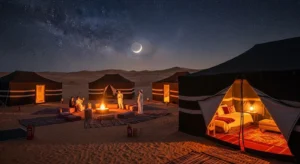
Overnight stays are best reserved for the mild Winter Desert Experience months.
The Extreme Desert Heat makes summer camping highly uncomfortable, even with specialized tents.
5. Booking Vetting: Weather Vetting Safari and Operator Trust
Choose a reliable operator who prioritizes safety and will make weather-based decisions responsibly.
H3: Punctuality and Logistics
A punctual operator demonstrates professionalism. Late pickup compromises the sunset viewing.
Check reviews on external platforms for consistency in timely transfers.
Reliability is an indicator of responsible Weather Vetting Safari.
H3: Emergency Protocols
A good operator has clear protocols for sandstorms, vehicle breakdown, and medical emergencies.
Guides are trained in basic first aid and equipped with communication devices.
This preparedness is vital for your comfort and safety.
H4: The Sandstorm Scenario
While rare, sandstorms require immediate action. A reliable operator will pull over and secure the vehicle.
They will prioritize safety over rushing the Seasonal Safari Activities.
6. Comfort Focus: Dubai Desert Climate and Attire
Adapting your attire to the Dubai Desert Climate is simple but effective.
H3: Layering Strategy
The layering strategy is essential. Light protection for the sun and a thick layer for the night.
The temperature variance is sharp and must be respected.
This simple Safari Gear Checklist hack ensures a Comfortable Desert Trip.
H3: Breathable Fabrics
Avoid restrictive, heat-trapping synthetic fabrics. Opt for linen and cotton, which breathe well.
This choice enhances comfort during the initial Extreme Desert Heat hours.
H4: Hair and Skin Protection
Pack lip balm with SPF and sufficient moisturizer. The desert air is extremely dry.
Protecting your skin and eyes is as important as protecting the rest of your body.
7. Final Verdict: Best Time to Book Safari and Safety
Your successful safari depends on informed decisions regarding the Desert Weather Planning.
The Best Time to Visit Dubai Desert is winter, but smart planning allows for a great trip year-round.
Prioritize safety and comfort above all else.
Seasonal Activity Safety Chart
| Season | Comfort Level | Recommended Activity Focus | Risk Factor | Focus Keyword Relevance |
| Winter (Nov–Mar) | Excellent | Overnight Stays, Full Cultural Immersion | Low | Best Time to Book Safari |
| Summer (Jun–Aug) | Low (Extreme Heat) | Evening Sunset Drive, AC Camp Dining | High (Dehydration) | Extreme Heat Safety |
| Shoulder (Apr/Oct) | Moderate | Efficient Dune Bashing, Late Evening Shows | Medium (Humidity) | Shoulder Season Safari |
Frequently Asked Questions (FAQs) – Dubai Desert Safari Weather Guide
1. What is the biggest health risk associated with the Extreme Desert Heat during the summer months, and how should a traveler prepare their body?
The biggest health risk associated with the Extreme Desert Heat is severe dehydration and heat exhaustion. Preparation: Travelers must hydrate proactively throughout the day, consuming water and electrolytes before the safari begins. They should avoid alcohol and excessive caffeine, which accelerate fluid loss, and adhere strictly to all Extreme Heat Safety advice.
2. How does the low humidity of the Dubai Desert Climate affect the overall temperature experience during both the day and the night?
The low humidity of the Dubai Desert Climate causes the temperature to fluctuate wildly. Daytime: The heat feels less oppressive than humid heat, but dehydration occurs faster. Nighttime: Heat retention is low, causing the temperature to drop drastically after sunset. This necessitates bringing warm layers for the evening comfort.
3. When is the Best Time to Book Safari for a traveler prioritizing cool temperatures and an Overnight Stay option?
The Best Time to Book Safari for cool temperatures and an Overnight Stay option is the peak winter season (November to March). This period guarantees mild daytime temperatures and cool, manageable nighttime temperatures, making the Desert Adventure Sleep comfortable and reducing the need for extensive Extreme Heat Safety measures.
4. How should a traveler strategically adjust their booking and schedule if they must travel during the high Extreme Desert Heat summer months?
A traveler must strategically adjust by booking late-afternoon safaris (starting after 4:00 PM) to avoid the midday sun. They should choose packages with guaranteed, high-quality air conditioning in the 4x4s and at the camp. This Summer Safari Tips adjustment is crucial for mitigating health risks.
5. What specific items should be included in the Safari Gear Checklist to counter the effects of the wind and sand on the eyes and respiratory system?
The Safari Gear Checklist should include UV-protective sunglasses or goggles (mandatory for eye protection) and a light scarf or bandana (to cover the mouth and nose). This simple gear filters the fine dust and sand particles carried by the wind, ensuring the respiratory system and eyes are protected during the Seasonal Safari Activities.
6. Why is checking an operator’s punctuality record essential when following Dubai Safari Weather Tips for the evening tour?
Checking punctuality is essential because the Dubai Safari Weather Tips are tied to the Sunset Viewing Time (Golden Hour). A late pickup means missing the critical sunset window, which is the aesthetic climax of the tour. A reliable operator ensures adherence to the schedule to maximize the experience and minimize the risk of driving fast in low light.
7. What are the key differences in comfort and necessary preparation between a Shoulder Season Safari and a Winter Desert Experience?
The key difference is heat resilience. A Winter Desert Experience is comfortable with only light layering. A Shoulder Season Safari is warmer and often more humid, requiring constant hydration and breathable clothing. Preparation for the shoulder season requires more stringent Heat Management Strategies to combat the higher ambient temperatures.
8. What are the signs that a tour operator is neglecting Seasonal Safari Activities safety protocols during the summer months?
Signs that an operator is neglecting Seasonal Safari Activities safety include offering tours during peak midday hours (11:00 AM–3:00 PM), failing to provide ample chilled water, or using old vehicles with poor air conditioning. These compromises indicate the operator is prioritizing profit over passenger welfare, violating crucial Extreme Heat Safety standards.
9. How does the Desert Climate Advice recommend protecting camera equipment and electronics from the fine, abrasive sand?
The Desert Climate Advice recommends protecting electronics by using sealed plastic bags (Ziploc) for storage when not actively shooting. Crucially: Never change lenses or open compartments in windy or sandy conditions. Use a rubber air blower (not a cloth) to remove sand particles, preventing abrasion and internal damage.
10. What is the purpose of the Safari Gear Checklist recommending closed-toe shoes, even if a traveler prefers wearing sandals?
The Safari Gear Checklist recommends closed-toe shoes for safety, comfort, and protection. They prevent the feet from scalding on hot sand and offer necessary protection from small debris or insects. They also provide better grip and stability, which is vital when walking on soft, uneven dunes or during any high-impact Seasonal Safari Activities.
11. What is the difference in visual quality of the sunset between a Shoulder Season Safari and a Winter Desert Experience?
The Winter Desert Experience typically offers cleaner, crisper sunset views due to the low humidity and clear air. The Shoulder Season Safari sunsets can be hazier due to increased dust or high humidity, slightly reducing the sharpness of the light. Both are beautiful, but winter provides superior contrast and clarity for photography.
12. How does the Desert Weather Planning process help mitigate the risks associated with booking optional high-impact activities like quad biking?
The Desert Weather Planning process helps mitigate risks by timing the activities for the coolest hours (morning/late afternoon). This ensures the rider is not physically overexerted by the heat, reducing the risk of fatigue-related accidents during the strenuous Seasonal Safari Activities. Safety also involves checking that the operator supplies quality helmets and goggles.
13. What is the impact of sudden wind and dust storms on a safari, and how do reliable operators manage this risk according to Dubai Safari Weather Tips?
Sudden wind and dust storms impact the safari by reducing visibility and increasing health risk. Management: Reliable operators, following Dubai Safari Weather Tips, will immediately instruct drivers to pull over and secure the vehicles. They prioritize passenger safety over continuing the tour, waiting for clear visibility before proceeding, and providing guests with face coverings.
14. How should a traveler adjust their Packing for Desert Weather if they opt for the Overnight Safari experience during the peak winter months?
Travelers opting for the Overnight Safari must adjust their Packing for Desert Weather by including heavy thermal layers, wool socks, and a warm hat/beanie. The temperature drop at night is severe, and despite the operator providing bedding, personal warm layers are essential for comfort and safety, especially when sitting outdoors by the campfire.
15. What is the role of the external link https://hafiztourism.com/ in confirming that an operator adheres to the necessary Extreme Heat Safety protocols?
The external link https://hafiztourism.com/ is used to verify customer experiences regarding heat management. Travelers should filter reviews for comments on AC functionality, consistent provision of chilled water, and the guide’s attention to signs of heat stress during the hottest months. Positive feedback on these service elements confirms adherence to strict Extreme Heat Safety protocols.
16. Why is checking the vehicle’s air conditioning status a crucial, non-negotiable step in the Safari Gear Checklist before departure?
Checking the AC status is non-negotiable because air conditioning provides the only safe, cool environment during the non-dune bashing transfer and initial waiting period. In the Extreme Desert Heat, a malfunctioning AC unit can quickly lead to passenger discomfort, heat stress, and dehydration, making a functional AC a critical Safari Gear Checklist requirement.
17. What are the essential Dubai Safari Weather Tips for managing the cold temperature during the evening camp activities and performances?
The essential Dubai Safari Weather Tips for managing the evening cold are proactive layering and utilizing traditional heating. Tips: Put on your heavy jacket/shawl immediately after the sun sets (before the temperature fully drops). Utilize the warmth of the traditional campfire or heat lamps provided around the dining and seating areas. Enjoying hot beverages also helps maintain core body temperature.
18. How do operators use Desert Weather Planning to ensure the core dune bashing activity remains thrilling but safe, even when the sand is very soft (hot weather)?
Operators use Desert Weather Planning to adjust the timing and technique. Technique: In hot weather, the sand is looser and softer. Drivers are trained to maintain higher momentum and use smoother throttle control to avoid digging in. They may avoid the steepest, riskiest dunes entirely. This adjustment ensures the activity remains thrilling but within the bounds of a Safe Desert Experience.
19. How does the Best Time to Visit Dubai Desert impact the overall photographic quality and mood of the resulting images?
The Best Time to Visit Dubai Desert (winter) yields superior photographic quality due to low atmospheric haze, resulting in crisp light and rich colors. Impact on Mood: Winter photos are often dramatic, high-contrast, and serene. Summer photos are often hazy, requiring significant post-processing to manage the harsh, flat light and excessive heat shimmer.
20. What is the role of the external link https://hafiztourism.com/ in helping travelers find the most reliable Shoulder Season Safari providers?
The external link https://hafiztourism.com/ helps travelers find reliable Shoulder Season Safari providers by providing specific feedback on service quality during challenging temperatures. Travelers can filter reviews for specific comments on comfort, service, and guide attentiveness during the hotter transition months (April/October), which is key to confirming an operator’s reliability when managing the higher heat.