Dubai Desert First Time: 12 Powerful Secrets to Guaranteed Survival for the Ultimate Adventure
Visiting the desert is a spectacular and memorable event. For many, it represents the heart of their travel goals.
If this is your Dubai Desert First Time, rigorous preparation is not optional; it is mandatory.
The desert is a world of extremes. It is beautiful, yet harsh, and requires respect.
You need more than just good intentions. You need a complete Desert Survival Guide.
This ultimate resource breaks down 12 powerful secrets. These ensure your First Time Desert Visit is safe, comfortable, and absolutely successful.
We cover everything from smart packing to executing the proper safety protocols.
1. The Core Strategy: Choosing Safari Activities Wisely
The type of package you select dictates the rhythm and risk of your Dubai Desert First Time. This is the first decision in your Desert Survival Guide.
H3: Day Trip vs. Overnight Stay Commitment
The standard day trip, usually an afternoon/evening safari, is the most popular choice.
It offers the full range of adventure and culture in a compact timeframe.
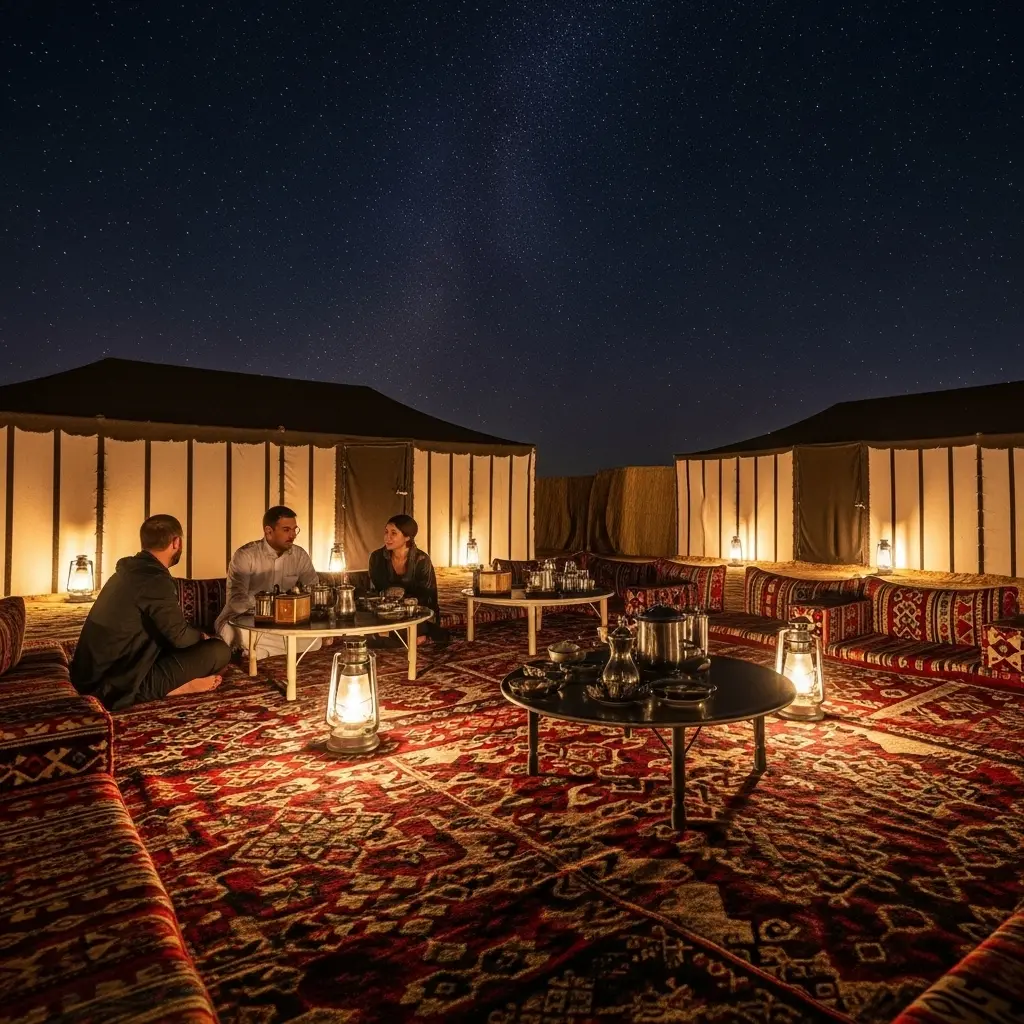
An overnight stay requires a greater commitment to the Desert Packing List. It promises profound solitude and stargazing.
Choose the duration that best fits your schedule and tolerance for rustic comfort.
H3: Morning Safaris: The Quick Thrill Option
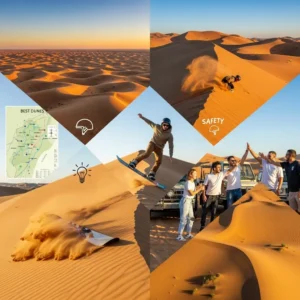
Morning safaris prioritize adrenaline activities like high-speed dune bashing and sandboarding.
They are ideal for business travelers or those with limited time.
The early start ensures you finish the action before the midday heat becomes a factor.
This is an excellent option if efficiency defines your Dubai Desert First Time.
H4: Defining Your Adventure Priority
Be clear about what you want: high-impact adventure, cultural reflection, or romance.
Communicate your priorities to your tour operator. This allows them to tailor the experience.
This ensures your Choosing Safari Activities aligns with the operator’s strengths.
2. Gear Mastery: The Desert Packing List Essentials
A well-curated Desert Packing List is essential for comfort and safety. The right gear prevents simple inconveniences from becoming major issues.
H3: Essential Desert Gear for Protection
The Essential Desert Gear includes protection from the intense UV light.
Sunglasses (UV-protective), a wide-brimmed hat, and high-SPF sunscreen are mandatory items.
The reflection off the sand magnifies the sun’s intensity.
This preparedness is vital for a safe Dubai Desert First Time.
H3: Footwear and Clothing Protocol
Wear comfortable, fully Closed-Toe Shoes or sturdy trainers with socks. These protect against hot sand and sharp debris.
Do not wear sandals or flip-flops; they offer zero protection on the dunes.
Clothing should be light, loose-fitting, and cover shoulders and knees. This is both practical and respectful.
H4: Technology and Comfort
Carry a portable charger. You will drain your phone battery with photos and videos.
Pack a light shawl or jacket. The desert cools rapidly after sunset.
Sealed plastic bags are necessary Essential Desert Gear for protecting electronics from fine dust.
3. Safety First: Desert Safety Protocol and Vetting
The integrity of your tour operator is directly linked to your safety. Desert Safety Protocol must be the first thing you verify.
H3: Vetting Vehicle and Driver
Choose only licensed, highly-rated operators. Check their reviews on external sites like https://dubaidesertsafarie.com/.
Verify that the 4×4 vehicle fleet is modern, well-maintained, and equipped with mandatory safety features.
The driver must be certified in professional off-road driving techniques.
H3: Dune Bashing Safety Rules
Dune bashing is safe when rules are followed. Keep your seatbelt fastened tightly at all times.
Never try to stand up or lean out of the vehicle during the thrilling ride.
This adherence to Desert Safety Protocol is non-negotiable for all passengers.
H4: Emergency Preparedness
A reliable operator has a clear emergency plan. Guides are trained in first aid and carry communication devices.
Ensure you know where the nearest medical facilities are in relation to the main camp.
This preparedness is central to the Desert Survival Guide.
4. Climate Management: Heat Preparedness Strategies
The Arabian climate requires dedicated Heat Preparedness. The dry heat can be deceptively draining.
H3: Hydration Strategy
Drink water proactively and consistently throughout the afternoon. Do not wait until you feel thirsty.
Avoid excessive consumption of caffeine and alcohol, as they contribute to dehydration.
This continuous hydration is the most vital aspect of Heat Preparedness.
H3: Managing High Temperatures
If traveling in the hot season, stick to shaded areas at the camp. Wear lightweight, light-colored clothing.
Recognize the signs of heat exhaustion: dizziness, nausea, and headache.
Inform your guide immediately if you experience any symptoms of heat stress.
H4: Best Time for Comfort
The cooler months (November to March) offer the most pleasant temperatures for a full-day adventure.
This period requires less strenuous Heat Preparedness and enhances enjoyment.
5. Cultural Awareness: Sand Dune Etiquette and Interaction
Respecting the local culture and environment is part of the Desert Survival Guide.
H3: Sand Dune Etiquette Rules
Do not leave any trash in the desert. Pack out everything you bring in.
Do not attempt to feed or approach the Desert Wildlife; maintain a respectful distance.
Stay within designated areas, especially at the camp and on the dunes.
H3: Photography and Privacy
Always ask permission before taking close-up photos of locals or performers.
Be mindful of privacy. Use a long lens to photograph subjects from a distance.
Respectful behavior is key to a positive Dubai Desert First Time.
H4: Traditional Hospitality
Accept the traditional offering of Arabic coffee (Gahwa) and dates. Use your right hand for all exchanges.
This gesture of politeness is a simple, yet essential, form of Sand Dune Etiquette.
6. Activity Focus: Dubai Desert First Time Thrills
The activities are designed for maximum fun and cultural engagement. Choose the ones that suit your style.
H3: Dune Bashing and Intensity
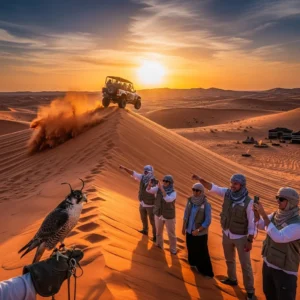
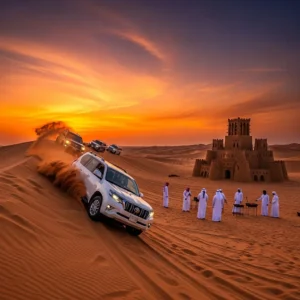
The Dune Bashing experience is controlled but intense. It is the signature thrill of the safari.
You can request a gentler ride if the high impact is a concern.
The experience is unforgettable, a true highlight of your Dubai Desert First Time.
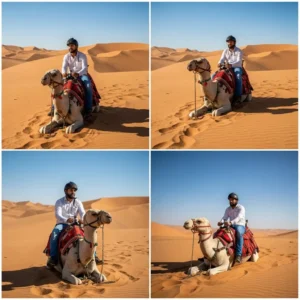
H3: Camel Ride Experience
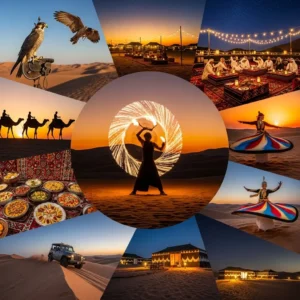
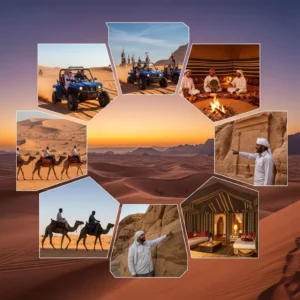
The camel ride is a peaceful, traditional activity. It offers a great photo opportunity.
It is a slow, gentle contrast to the fast-paced dune bashing.
This is a mandatory experience for your First Time Desert Visit.
H4: Sandboarding Fun
Sandboarding is fun and easily accessible. It allows you to engage with the Sand Dune Etiquette directly.
The simple slide down the dune slope is a great addition to the adventure.
7. Budgeting and Value: Beginner Safari Tips
Smart budgeting ensures you get the most value for your Desert Survival Guide investment.
H3: Avoiding Hidden Fees
Be wary of extremely low prices. The quote must include all taxes, fees, and the BBQ dinner.
Safari Hidden Costs often include mandatory taxes or high markups for on-site activities.
A transparent quote is a hallmark of good Beginner Safari Tips.
H3: Choosing Value Safaris
The mid-range or “Value” tier often provides the best balance of quality and cost.
It guarantees a better fleet, food quality, and service than the cheapest option.
This is the recommended tier for a successful Dubai Desert First Time.
H4: Luxury Options
For the ultimate, seamless experience, consider Luxury Safari Options.
These packages offer dedicated service and exclusivity, worth the extra cost for special occasions.
8. The End Goal: An Unforgettable First Time Desert Visit
The ultimate goal is to create memories that last a lifetime.
The Dubai Desert First Time adventure is uniquely powerful.
Your careful preparation ensures you are ready for every moment of the journey.
9. Final Vetting: Trusted Operators
Use external verification to confirm you are booking with a reliable company.
Check customer reviews on platforms like https://dubaidesertsafarie.com/ and https://hafiztourism.com/.
Consistent high ratings confirm their commitment to service and safety.
10. Conclusion: Embrace the Desert Adventure
The Desert Survival Guide is now complete. You are ready for your adventure.
Embrace the beauty, the thrill, and the culture of the Arabian sands.
FAQs: Visiting Dubai Desert for the First Time: Beginner’s Survival Guide
1. What are the key items that must be included in my Essential Desert Gear for protection against sun and sand during my Dubai Desert First Time?
Your Essential Desert Gear must prioritize protection against the extreme sun and sand. Inclusions: A wide-brimmed hat, high-SPF sunscreen, and UV-protective sunglasses (essential due to glare). For sand, bring a light scarf or bandana to cover your mouth and nose during wind, and ensure you wear closed-toe shoes to prevent severe sand irritation and heat exposure to the feet.
2. What is the minimum age requirement for participating in dune bashing, and what Desert Safety Protocol should parents follow for their children?
The minimum age requirement for dune bashing is typically 3 years old. The essential Desert Safety Protocol for parents is to strictly adhere to this age limit. Parents of children under three must request a gentle, non-dune transfer to the camp. All children must be securely fastened with a seatbelt or harness, and parents should supervise them constantly.
3. How can I ensure the food at the Desert Safari BBQ is hygienic and safe to eat, especially as a First Time Desert Visit tourist?
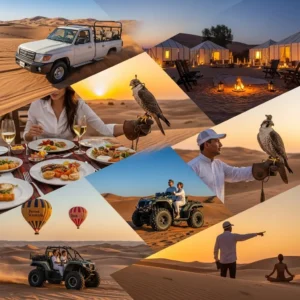
To ensure hygiene, First Time Desert Visit tourists should book with a reputable operator (whose reviews confirm high food standards). Protocol: Observe the buffet. Choose food from hot, actively steaming chafing dishes or from live cooking stations. Avoid food that has been sitting out uncovered. Always use the hand sanitizer provided before and after eating.
4. How does the Best Time for Safari in winter (November to March) affect the Desert Packing List compared to other seasons?
The Best Time for Safari in winter requires a crucial addition to the Desert Packing List: warm layers. While the days are mild, the temperature drops rapidly after sunset, making the evening camp cold. Travelers must pack a heavy sweater, jacket, or shawl to maintain comfort during the dinner and cultural shows, which is a key difference from summer packing.
5. What are the specific Sand Dune Etiquette rules I should follow regarding littering and interacting with the desert environment?
The specific Sand Dune Etiquette rules are based on the “Leave No Trace” principle. Rules: 1. Do not leave any trash in the desert; pack out everything you bring in. 2. Do not approach or feed any desert wildlife, even small animals. 3. Do not climb on vehicles or camp structures. 4. Respect the sand: Avoid disturbing untouched sandscapes if you see them.
6. Why is it recommended to Book Desert Safari Safely with a direct operator, and how does this affect the Desert Safari Cost?
It is recommended to Book Desert Safari Safely with a direct operator because it secures the best price and ensures better communication. Direct booking eliminates the high commission (20%–40%) charged by hotel concierges and agents, directly lowering the overall Desert Safari Cost. It also establishes a clear line of communication regarding the package details and any safety concerns.
7. How can a traveler effectively manage motion sickness during the dune bashing, according to the Beginner Safari Tips?
The most effective Beginner Safari Tips for managing motion sickness are proactive medication and strategic seating. Action: Take anti-nausea medication (e.g., Dramamine) one hour before pickup. Seating: Request the front passenger seat. Focus: Look straight at the horizon during the drive. Inform the guide about your sensitivity so they can drive less aggressively.
8. What are the signs of a poor-quality, potentially unsafe tour operator when trying to vet credentials for a Trusted Safari Booking?
Signs of a poor-quality operator include extremely low pricing, inconsistent or bad reviews regarding vehicle safety and punctuality, and a lack of transparency regarding insurance and licensing. Red Flags: Old, visibly dirty vehicles, and a vague booking confirmation that does not detail all taxes or inclusions. A safe Trusted Safari Booking requires verification of modern, maintained vehicles.
9. What unique experiences are available on an overnight safari that make it a distinct choice from the Dubai Desert First Time evening tour?
The overnight safari offers unique experiences of solitude, tranquility, and celestial viewing. Experiences: 1. Stargazing away from all light pollution. 2. Waking up to the desert sunrise and enjoying a traditional breakfast. 3. Experiencing the deep silence of the desert night. This immersion offers a much deeper, more reflective Desert Survival Guide experience than the single evening tour.
10. How does the Heat Preparedness strategy change for a summer visit (June-August) compared to a winter visit (Dec-Feb)?
The Heat Preparedness strategy becomes a survival necessity in summer. Summer: Focus shifts to avoiding peak hours (booking late afternoon/evening), extreme hydration with electrolytes, and wearing the lightest, most airy fabrics. Winter: Focus is on basic sun protection and layering to manage the sharp temperature drop at night. The summer heat requires a more rigorous, non-negotiable approach to safety.
11. What simple Desert Packing List item should all travelers bring to protect their camera and phone from the fine, abrasive sand?
The simplest and most essential item on the Desert Packing List for electronic protection is sealable plastic bags (Ziploc bags). Place your camera and phone inside these bags when not actively shooting, especially during dune bashing or windy periods. This provides an effective, low-cost barrier against the fine, abrasive sand that can easily damage lenses and sensors.
12. How should a traveler use the Desert Survival Guide to plan their adventure budget, focusing on mandatory costs versus optional add-ons?
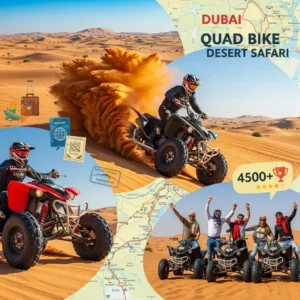
The traveler should use the Desert Survival Guide to clearly separate mandatory costs (base safari fee, taxes, transfers, and dinner) from optional costs (quad biking, souvenir photos, shisha). Budget for the mandatory costs first, ensuring safety and core experience. Then, allocate funds for desired optional activities, recognizing that high-cost add-ons are significantly marked up.
13. Why should travelers with a strong interest in culture choose the evening safari as their First Time Desert Visit option?
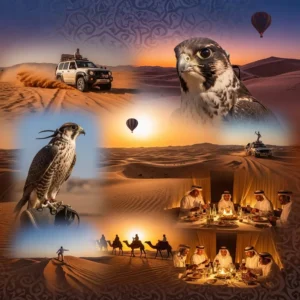
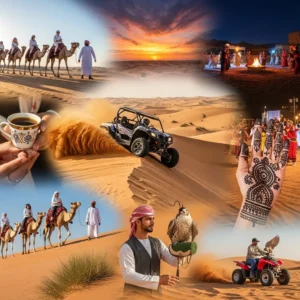
Travelers with a strong interest in culture should choose the evening safari because it includes the entire Cultural Night Experience. This features the Arabian BBQ Dinner, the Traditional Arabian Shows (Tanoura, Belly Dance), and hands-on activities like henna. The evening provides a complete, structured cultural immersion that is entirely missing from the short, thrill-focused morning tour.
14. How can the Choosing Safari Activities process be customized for a group with mixed interests (e.g., thrill-seeker teens and culture-loving parents)?
The Choosing Safari Activities process should be customized by segregating the high-thrill elements. Solution: Book a package that includes the high-impact dune bashing for the teens and adults. Then, let the teens participate in the optional Quad Biking while the parents enjoy a gentle Camel Ride or the traditional camp activities. A reputable operator will accommodate these different pace requirements.
15. What are the proper Sand Dune Etiquette rules regarding photography and interaction when encountering the large, trained camels at the camp?
The proper Sand Dune Etiquette regarding camels is respect and consent. Rules: Always ask the handler’s permission before taking close-up photos of the camel or posing next to it. Never feed the camel without the handler’s instruction. Do not climb on the animal outside of the designated ride time. Maintain a calm, respectful demeanor around the animals.