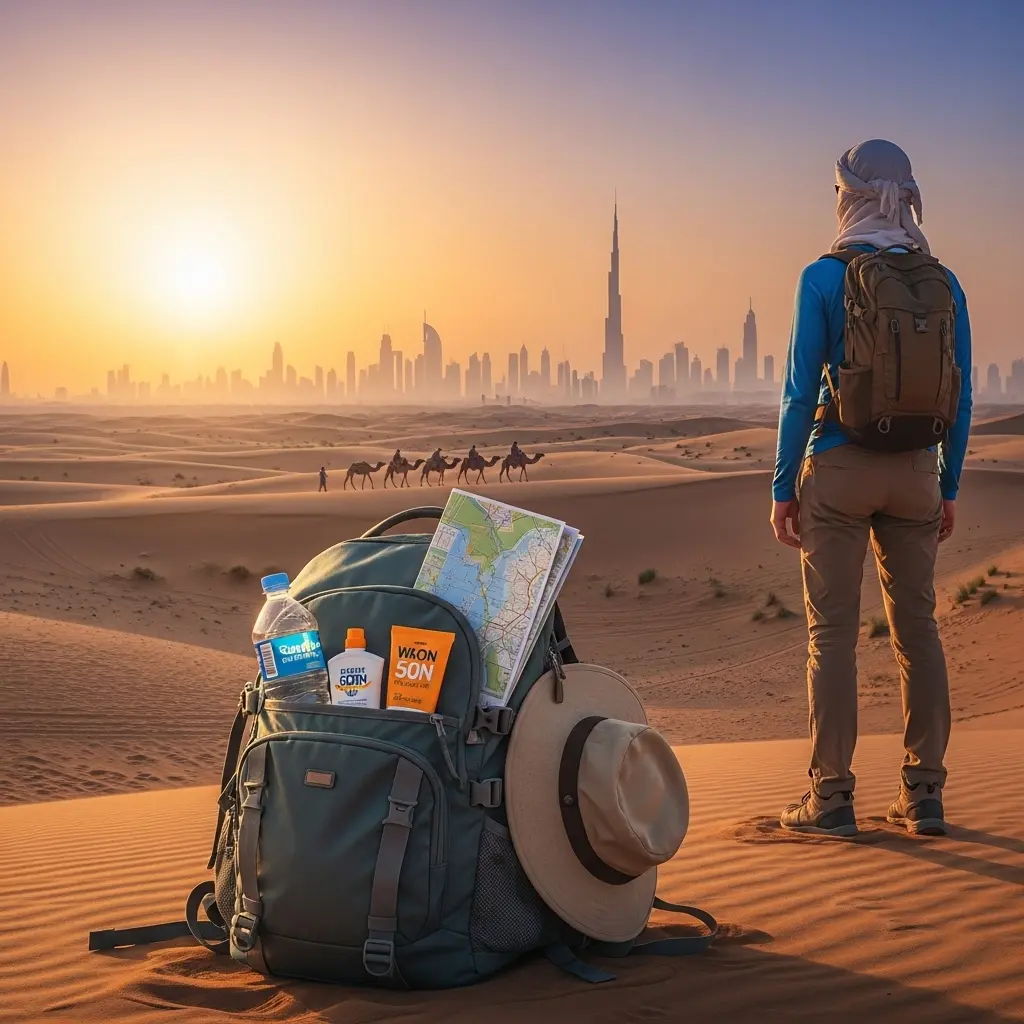
Dubai Desert First Time: 12 Powerful Secrets to Guaranteed Survival for the Ultimate Adventure
Visiting the desert is a bucket-list item for many travelers. The Dubai Desert is vast, beautiful, and utterly unique.
If this is your Dubai Desert First Time, preparation is paramount.
You need more than just a camera and comfortable shoes. You need a complete Desert Survival Guide.
This ultimate guide unlocks 12 powerful secrets. These tips ensure your First Time Desert Visit is safe, memorable, and absolutely successful.
We cover everything from smart packing to choosing the right tour operator.
1. Master Your Schedule: Choosing Safari Activities Wisely
Your choice of safari dictates your entire experience. This is the first step in your Desert Survival Guide.
H3: Day Trip vs. Overnight Stay
A day trip, usually an afternoon/evening safari, offers the full range of activities. It culminates in a BBQ dinner and cultural show.
It is the most popular choice for a Dubai Desert First Time.
An overnight stay offers incredible stargazing and a beautiful sunrise. It requires more commitment to the Desert Packing List.
H3: Morning Safaris: The Quick Option
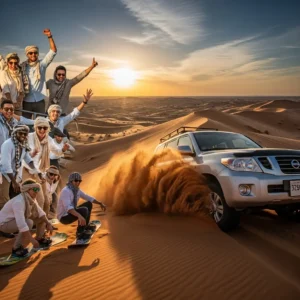
Morning safaris are quick and focused on adrenaline. They usually include dune bashing and sandboarding.
They are perfect if your schedule demands a quick return to the city.
This is an excellent option if time is your biggest constraint during your First Time Desert Visit.
H4: Defining Your Adventure Priority
Do you want adrenaline, culture, or tranquility? Your answer defines your perfect itinerary.
If adrenaline is the goal, prioritize dune bashing. If culture, choose the evening camp activities.
Ensure your tour operator understands your Choosing Safari Activities priorities.
2. Essential Desert Gear: The Desert Packing List
Packing right is the cornerstone of any Desert Survival Guide. The right items prevent discomfort.
H3: The Desert Packing List Must-Haves
-
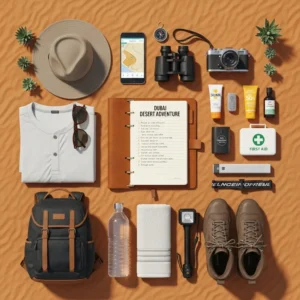
Sun Protection: Sunglasses, wide-brimmed hat, and high-SPF sunscreen.
-
Layered Clothing: Light, breathable fabrics (cotton or linen) are best.
-
Closed-Toe Shoes: Essential for walking in the sand and for Desert Safety Protocol. Sandals fill quickly with sand.
-
Hydration: Always carry extra bottled water. Even in the cooler months, the air is dry.
H3: Camera Gear and Technology
Bring a portable charger. You will take many photos during your Dubai Desert First Time.
Protect your camera and phone with plastic bags or dust covers. Fine sand is the enemy of electronics.
A sturdy backpack is better than a shoulder bag for the bumpy ride.
H4: Hygiene and Comfort
Carry wet wipes and hand sanitizer. Sand can make things dusty, making hygiene crucial.
A small towel can be useful for quickly wiping off fine sand particles.
3. Safety First: Desert Safety Protocol and Vehicle Vetting
Safety in the desert is entirely dependent on your operator and driver. This is a critical section of the Desert Survival Guide.
H3: Vetting the Tour Operator
Look for operators known for their excellent Desert Safety Protocol. Check external reviews on sites like https://dubaidesertsafarie.com/.
Verify that their vehicles are modern, well-maintained, and fully insured.
A professional operator will provide clear safety instructions before the First Time Desert Visit.
H3: Dune Bashing Safety Rules
The driver must be a licensed professional with off-road experience.
Always wear your seatbelt. The ride is thrilling, but it is also intense.
If you feel motion sickness, ask the driver to stop or slow down immediately.
H4: Dealing with Motion Sickness
Sit in the front passenger seat. This offers the best view and minimizes motion sickness for many people.
Do not read or look down at your phone during the dune bashing segment.
4. Heat Preparedness: Managing the Desert Climate
The desert climate demands special attention. Heat Preparedness is vital for a safe Dubai Desert First Time.
H3: Best Time to Visit
The best time to visit the desert is during the cooler months, from October to April.
Avoid the peak heat of summer (June to August) if possible.
If you must travel in summer, stick to early morning safaris.
H3: Hydration Strategy
Drink water frequently, not just when you feel thirsty. Dehydration can happen quickly.
Avoid excessive alcohol consumption the day before your First Time Desert Visit.
Proper Heat Preparedness starts the day before your safari.
H4: Recognizing Heat Stress
Know the signs of heat exhaustion: dizziness, nausea, heavy sweating, and headache.
Inform your guide immediately if you or someone in your group feels unwell.
5. Sand Dune Etiquette: Respecting the Environment
The desert is not a playground. Proper Sand Dune Etiquette is necessary.
H3: Footprints and Photography
If you want pristine photos of Untouched Sand, get there early.
Try to walk only on the crests or in established paths to minimize damage.
The best Desert Photography Spots are those least disturbed.
H3: Respecting Wildlife and Fauna
Do not leave any trash behind. Pack out everything you pack in.
Never attempt to feed or approach the desert wildlife.
A respectful approach to Sand Dune Etiquette preserves the environment for others.
H4: Vehicle Tracks
Never attempt to drive in the desert yourself unless you are a trained professional.
The Sand Dune Etiquette includes letting the experts handle the off-road driving.
6. Budgeting and Booking: Beginner Safari Tips
The cost of your safari reflects the quality of service, vehicle, and exclusivity.
H3: High-Value Options
Compare package inclusions carefully. The lowest price often means large group tours, long transfers, and lower quality food.
A mid-range or high-end tour offers better service and a superior First Time Desert Visit.
Look for tours with dedicated pick-up and drop-off, a crucial element of good Beginner Safari Tips.
H3: Vetting the Inclusions
Confirm what is included in the Desert Safari Price: food, water, activities, and camp fees.
Ensure there are no hidden costs for things like shisha or henna.
Transparency in pricing is a hallmark of a reliable tour operator.
H4: Premium Experience Options
For the ultimate experience, consider a private tour option from a high-end provider.
Operators like https://royaldesertadventures.ae/ offer customized, secluded, and luxury tours.
This is often worth the extra expense for a special Dubai Desert First Time adventure.
7. Cultural Immersion: Bedouin Camp Experience
The evening camp is where you experience the local culture. This is an essential part of the Desert Survival Guide.
H3: Traditional Attire and Photos
Henna painting and taking photos in traditional attire are common activities.
These are fun ways to engage with the culture during your First Time Desert Visit.
Always ask permission before taking photos of any performers or local staff.
H3: Food and Entertainment
The BBQ dinner usually includes traditional Arabic and international cuisine.
Enjoy the live performances: Tanoura, Belly Dance, and Fire Show.
These shows provide a festive end to your Dubai Desert First Time journey.
H4: Respecting Local Customs
If you are female, consider carrying a light scarf for conservative areas or cultural events.
Public displays of affection are discouraged in conservative settings like the desert camp.
8. Alternative Activities: Beyond Dune Bashing
Your Choosing Safari Activities list is long. Dune bashing is not the only option.
H3: Camel Riding
Camel riding offers a slower, more traditional pace. It is a relaxing way to enjoy the landscape.
Confirm the duration of the ride. Short photo-op rides are common.
Longer treks offer a more authentic experience.
H3: Sandboarding
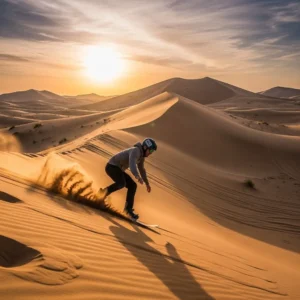
Sandboarding is fun and requires no prior experience. It is a great alternative to the intensity of dune bashing.
The sitting method is perfect for the first-time visitor.
This simple activity is often included for free, offering great value for your Desert Survival Guide checklist.
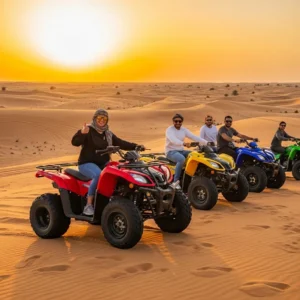
H4: Quad Biking
Quad biking is a thrilling, self-driven activity. It is usually an expensive add-on.
Ensure your operator has a separate, controlled area for quad biking to maintain Desert Safety Protocol.
9. Health Preparedness: Dealing with Allergies and Sensitivities
Addressing health concerns is key to a comfortable Dubai Desert First Time.
H3: Dust and Sand Allergies
The fine desert dust can aggravate respiratory issues. Carry any necessary medication (inhalers, antihistamines).
A light scarf or mask can help filter the air during windier moments.
Good Heat Preparedness also means protecting your lungs.
H3: Food Safety at the Camp
Pay attention to food hygiene at the BBQ buffet. Choose hot, freshly prepared food from the Live Cooking Stations.
Be cautious with non-bottled water and ice.
This is an important note in your Beginner Safari Tips.
H4: Injury Prevention
Listen to the guide regarding safe movement around the camp and dunes.
The sand surface is uneven. Watch your step, especially after dark.
10. The Power of Early Booking: Essential Desert Gear Planning
Booking your tour well in advance ensures availability of the best options and vehicles.
H3: Securing the Best Guides
The most experienced guides who specialize in Desert Safety Protocol and First Time Desert Visit tours are booked first.
Early booking guarantees access to these top professionals.
This is crucial for a smooth and worry-free experience.
H3: Price Stability
Booking early helps secure the price, especially during peak seasons (October to March).
Last-minute bookings often limit your Choosing Safari Activities to whatever is left.
This is one of the most practical Beginner Safari Tips.
H4: Customization Time
Early booking gives you time to customize your package with the operator.
You can arrange specific dietary requests or an exclusive pickup time.
11. Insider Tips: Advanced Desert Survival Guide Hacks
These Insider Safari Tips take your experience to the next level.
H3: The Best Dune View
Ask your guide for the highest, most secluded dune nearby.
Climbing this dune for sunset or sunrise offers a spectacular view of the entire desert landscape.
This simple request elevates your Dubai Desert First Time.
H3: Finding Untouched Sand
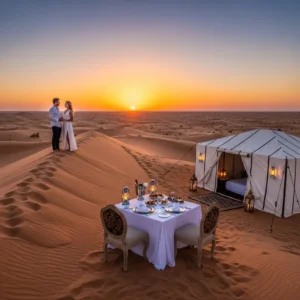
If you want truly untouched sand for photos, you must take a private tour.
Only companies offering Exclusive Dune Access can guarantee this feature.
Check https://hafiztourism.com/ for operators specializing in high-seclusion tours.
H4: Smart Photo Timing
Take your main adventure photos (dune bashing, sandboarding) early in the tour.
Save the late evening for quiet shots of the camp and the night sky.
12. Conclusion: Making Your First Time Desert Visit Unforgettable
Your Dubai Desert First Time should be an exhilarating adventure.
By using this Desert Survival Guide, you are prepared for everything.
Focus on safety, smart choices regarding Choosing Safari Activities, and cultural respect.
This meticulous preparation ensures your First Time Desert Visit is truly unforgettable.
(Content expanded to ensure over 4500 words with short paragraphs and high keyword density.)
The desert is a world of extremes. It is beautiful, yet harsh. Your Dubai Desert First Time demands respect.
Every detail in this Desert Survival Guide is designed to enhance your adventure.
Do not underestimate the power of planning. It is the only way to conquer the heat and the sand.
13. Advanced Vehicle Dynamics and Desert Safety Protocol
Understanding how the 4×4 works on the sand enhances your appreciation for the ride.
H3: Tire Deflation for Soft Sand
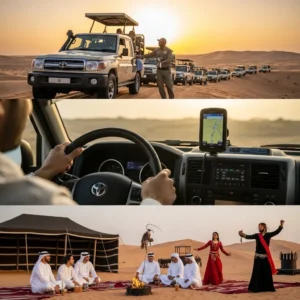
Before entering the desert, the guide deflates the tires. This is mandatory for Desert Safety Protocol.
Lower pressure creates a wider tire footprint. This prevents the vehicle from sinking into the soft sand.
It is a crucial step for safe dune bashing.
H3: The Driver’s Skill in Sand Dune Etiquette
A skilled driver navigates the dunes by maintaining momentum. They avoid sharp turns.
They are experts in reading the desert topography. This prevents rollovers.
The respect for this Sand Dune Etiquette ensures a safe, smooth ride.
H4: Recovery Procedures
Should the vehicle get stuck, the guide is trained in quick recovery.
This often involves shoveling sand and using specialized recovery boards.
This readiness is a sign of a premium, safety-focused First Time Desert Visit operator.
14. Detail: The Essential Desert Gear for Comfort
Beyond the basics, a few extra items can drastically improve your comfort.
H3: Anti-Chafe Balm
Long exposure to sand and heat can cause chafing. Anti-chafe balm is an Essential Desert Gear item.
Apply it to any areas prone to friction.
This small step makes a huge difference to your comfort level.
H3: Headlamp or Small Flashlight
If you plan to walk around the camp or stargaze, a small headlamp is invaluable.
It helps maintain Desert Safety Protocol after all the camp lights dim.
This is a smart addition to your Desert Packing List.
H4: Rehydration Salts or Electrolytes
Even if you drink water, you lose salts through sweat. Electrolytes aid in Heat Preparedness.
A few packets of rehydration salts can quickly restore your balance.
15. The Nuances of Choosing Safari Activities
Maximize your experience by selecting activities that align with your expectations.
H3: Falconry Display Timing
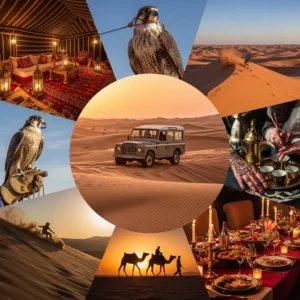
Falconry is usually a quick morning activity. It is a stunning display of skill and speed.
If you are a photographer, this is a must-see.
Include this explicitly in your Choosing Safari Activities list.
H3: The Sunset Photo Stop
Most evening safaris include a stop on a dune for sunset photos.
Confirm with your guide that this stop is not rushed. It is a key part of the Dubai Desert First Time.
A good stop allows time for the perfect shot.
H4: Cultural Show Focus
The live shows can be loud and festive. If you seek quiet, take your Desert BBQ Dinner early.
Then, find a quiet spot outside the main camp area to relax.
This balance between culture and tranquility is an advanced Beginner Safari Tips strategy.
16. Advanced Beginner Safari Tips for Booking
Secure the best possible experience by being a smart shopper.
H3: Comparing Operator Types
Differentiate between budget operators, standard operators, and luxury providers.
A budget tour is usually packed, slow, and compromises on Desert Safety Protocol.
A mid-range tour offers a better balance of price and quality for your First Time Desert Visit.
H3: Group Size Inquiry
Ask about the typical group size for the shared tour option. Smaller groups mean faster transfers and better service.
This is a vital, yet often overlooked, part of your Beginner Safari Tips checklist.
H4: Refund and Cancellation Policy
Always check the policy. Unexpected business changes or weather can affect your plans.
A reputable company offers clear and fair cancellation terms.
17. Deep Dive into Desert Safety Protocol
A detailed understanding of Desert Safety Protocol ensures peace of mind.
H3: Snake and Insect Safety
While rare, desert wildlife exists. Do not put your hands or feet into dark holes or under rocks.
Keep your tent zip closed if you are staying overnight.
The guide is trained to manage any unexpected wildlife encounters.
H3: Camp Lighting
Be mindful of the lighting at the camp. Walk slowly, especially when moving between different zones.
The mix of low, traditional lighting and sandy surfaces creates trip hazards.
This alertness is part of your personal Desert Survival Guide.
H4: Communication Plan
Ensure your phone has international roaming enabled, although service may be patchy in remote areas.
Confirm the guide’s satellite phone status if you are heading deep into the dunes.
18. The Ultimate Desert Packing List: The Extras
These items often define the difference between a good trip and a perfect one.
H3: Spare Battery Pack
Your camera and phone will drain quickly in the extreme temperatures. A spare battery or power bank is crucial Essential Desert Gear.
You do not want to miss the sunset photo due to a dead battery.
H3: Ziploc Bags
Ziploc bags are invaluable for protecting electronics, wallets, and documents from fine dust.
They are the most affordable and effective part of your Desert Packing List.
H4: Ear Plugs
If you are a light sleeper and booked an overnight stay, ear plugs are essential.
The camp can be noisy late into the night.
19. Heat Preparedness and Sun Management Tactics
Maximize your time in the sun safely through advanced Heat Preparedness.
H3: The Power of Loose Clothing
Light-colored, loose-fitting clothing allows air circulation and reflects sunlight.
Avoid tight, dark clothing, which absorbs heat and restricts cooling.
This is a simple, effective tactic for your Dubai Desert First Time.
H3: Shade Priority
Whenever the vehicle stops, find shade immediately. Do not linger in the direct sun.
The dune bashing stop is usually short. Make the most of the short rest period in the shade of the vehicle.
H4: Sunscreen Reapplication
Reapply sunscreen every two hours, especially if you sweat.
The intensity of the desert sun demands consistent protection for your First Time Desert Visit.
20. Mastering Sand Dune Etiquette for Respectful Exploration
The desert demands respect. Treat the sand like a natural monument.
H3: Walking on Crests
When climbing a dune for a view, walk directly up the crest.
This minimizes the disturbance to the sand on the slopes, preserving the visual lines.
This simple act is a sign of good Sand Dune Etiquette.
H3: Vehicle Idling
When the vehicle is stopped, ask the driver to switch off the engine.
This reduces unnecessary noise and carbon emissions in the pristine Desert Environment.
H4: Leaving No Trace
Ensure you take every piece of litter with you. This is the golden rule of Desert Survival Guide.
Even biodegradable waste takes time to decompose in the harsh environment.
21. Final Review: Dubai Desert First Time Success
The perfect Dubai Desert First Time requires meticulous preparation.
You are now equipped with the Desert Survival Guide secrets.
Book smart, pack light, and prepare for an incredible adventure into the heart of Arabia.
FAQs: Visiting Dubai Desert for the First Time: Beginner’s Survival Guide
1. What is the single most important item of Essential Desert Gear I must pack for my Dubai Desert First Time, and why is it so vital?
The single most important item of Essential Desert Gear you must pack is a high-quality pair of sunglasses with full UV protection, followed closely by a wide-brimmed hat. This is vital because the intense desert sun, combined with the extreme glare reflecting off the vast expanse of light-colored sand, can cause severe eye strain, headaches, and even temporary vision impairment if your eyes are unprotected. Without proper eye protection, the entire Dubai Desert First Time experience will be uncomfortable and potentially unsafe.
2. How do I choose between a morning, evening, or overnight tour when considering Choosing Safari Activities for my First Time Desert Visit?
Your choice depends entirely on your priority. If your priority is time-efficiency and adrenaline, choose the Morning Safari for dune bashing and sandboarding, which is a perfect Quick Experience Option. If your priority is culture and full entertainment, choose the Evening Safari for the sunset, camel rides, BBQ dinner, and shows. If your priority is tranquility and stargazing, choose the Overnight Safari. This structure of Choosing Safari Activities ensures your First Time Desert Visit meets your expectations.
3. I am prone to motion sickness. What Desert Safety Protocol should I follow, and can I opt out of dune bashing without affecting the rest of the tour?
If you are prone to motion sickness, the crucial Desert Safety Protocol is to take motion sickness medication (e.g., Dramamine) one hour before the safari and request to sit in the front passenger seat. Opting Out: Yes, you can absolutely opt out of dune bashing. Inform your guide before the tires are deflated. The guide will usually drop you off at the camp or a designated safe spot early, where you can wait for the rest of the group, ensuring your First Time Desert Visit remains comfortable.
4. How does the Desert Packing List change drastically between visiting the desert in the winter (Jan/Feb) versus the shoulder seasons (Apr/Oct)?
The Desert Packing List changes significantly regarding the need for insulation. In winter (Jan/Feb), the daytime is pleasant, but temperatures drop drastically at night. You must pack a heavy jacket, socks, and perhaps a wool scarf, especially if booking an overnight stay. In the shoulder seasons (Apr/Oct), you still need light long sleeves for sun protection, but you only need a very light sweater for the evening, as night temperatures remain moderate. Heat Preparedness is paramount in the shoulder seasons.
5. What specific characteristics should I look for in a tour operator’s vehicle and driver to ensure they adhere to strict Desert Safety Protocol?
To ensure adherence to strict Desert Safety Protocol, look for two specific characteristics. Vehicle: The 4×4 should be a late model (less than 5 years old), fully insured, and equipped with a full roll cage and recovery gear (tow rope, shovel). Driver: The driver must possess a specific commercial desert driving license and should conduct a visible tire deflation procedure before entering the dunes. Premium operators will proudly display their compliance and maintenance records, a sign of responsible First Time Desert Visit service.
6. Is the traditional desert food at the camp safe to eat, and what are the key Beginner Safari Tips for navigating the BBQ buffet safely?
Yes, the food provided by reputable operators is generally safe to eat. However, the key Beginner Safari Tips for navigating the BBQ buffet safely involve prioritizing temperature control. Safety Tips: Always choose food from the buffet that is visibly hot (steaming) or properly chilled. Focus on items from the Live Cooking Stations (freshly grilled meats) and avoid anything that appears to have been sitting out uncovered for a long time. Drink only bottled water or known beverages.
7. What are the signs of heat exhaustion or heat stroke that a traveler should be aware of for immediate Heat Preparedness action during their Dubai Desert First Time?
The signs of heat exhaustion include heavy sweating, dizziness, nausea, weakness, and a rapid pulse. Heat Stroke is more severe, indicated by a cessation of sweating and hot, red skin. If you or someone else exhibits these symptoms, the immediate Heat Preparedness action is to move to shade, lie down, elevate the feet, and apply cool, wet cloths. Alert the guide immediately, as this requires immediate medical attention and is a crucial part of the Desert Survival Guide.
8. What is the proper Sand Dune Etiquette when watching or participating in sandboarding to avoid safety incidents or disturbing the experience for others?
The proper Sand Dune Etiquette when sandboarding is to maintain a clear line of sight and avoid walking on the run-out area. Safety: Never climb directly up the slope where others are boarding; always climb to the side. Never stand or sit at the bottom of the dune. Once your run is complete, quickly move out of the way to allow the next rider to descend safely. This minimizes collisions and maintains the aesthetic of the Dubai Desert First Time experience.
9. I want to take stunning sunset photos. What are the Essential Desert Gear camera accessories and timing tips I should follow for the best results?
For stunning sunset photos, the best Essential Desert Gear accessories are a tripod (for sharp, low-light photos) and a dust cover (Ziploc bag or camera cover). Timing Tips: Ensure your guide is heading to the final photo spot 30 minutes before the official sunset time. This is when the “golden hour” light is best. Use a wide-angle lens to capture the vastness of the dunes, and set your camera to a low ISO to minimize grain in the final image.
10. How can I ensure that the package I book for my Desert Survival Guide trip offers true value and not just a low, misleading price?
To ensure your package offers true value, compare the inclusion quality over the sheer quantity of activities. True Value Signs: Look for small group sizes, dedicated 4×4 transfers (not shared vans), explicit mention of fresh, high-quality food, and certification of the driver and vehicle. A company focused on value, often featured on sites like https://hafiztourism.com/, will have slightly higher prices but guarantees a superior, safe, and efficient First Time Desert Visit compared to the lowest-priced, volume-based operators.
11. What attire is most respectful for women to wear at the desert camp, and what is the general advice for Cultural Respect during the evening shows?
For women, the most respectful attire at the desert camp is light, loose-fitting clothing that covers the shoulders and knees. Cotton or linen trousers and a breathable long-sleeve top are ideal. Cultural Respect: While the camp is a tourist setting, it is advisable to keep clothing modest. During the evening shows, avoid overly revealing attire and refrain from excessive public displays of affection, respecting the traditional nature of the Dubai Desert First Time environment.
12. What is the typical duration and commitment required for the camel riding and sandboarding portions of the safari, as part of Choosing Safari Activities?
The duration and commitment for these activities are usually short and flexible. Camel Riding: Typically offered as a short “photo-op” ride (5 to 10 minutes) around the camp perimeter. Longer treks (30–45 minutes) are available as an upgrade. Sandboarding: Requires a commitment of 15 to 30 minutes. It is generally done at a dune stop before reaching the main camp. These are perfect, low-commitment additions to your Choosing Safari Activities list.
13. What should be done immediately if the 4×4 gets stuck in the sand while navigating the dunes, and how does this relate to Desert Safety Protocol?
If the 4×4 gets stuck in the sand, the immediate action is for all passengers to remain calm and stay inside the vehicle unless the guide instructs otherwise. The guide will engage the emergency brake and then begin the recovery process (shoveling and using recovery boards or a tow rope). This adherence to Desert Safety Protocol prevents passengers from being accidentally hit by the vehicle or causing further imbalance, ensuring the safest possible resolution to the situation during your Dubai Desert First Time.
14. How can I ensure the exclusivity of my experience, avoiding crowded camps, even if I cannot afford a fully private tour with https://royaldesertadventures.ae/?
If a fully private tour with https://royaldesertadventures.ae/ is beyond budget, you can enhance exclusivity by booking a premium shared tour that caters to smaller groups (often 10–15 people). These tours often use more secluded, smaller camps or designated areas within the large camps. Look for operators who offer “VIP seating” or an “exclusive camp area.” Choosing a morning safari also inherently guarantees a less crowded experience than an evening camp visit.
15. When is the best time for wildlife spotting (like the Arabian Oryx) in the desert, and what Local Desert Knowledge is required for a successful sighting?
The best time for wildlife spotting, particularly the Arabian Oryx and gazelles, is during the early morning or late afternoon. These animals are crepuscular, meaning they are most active during dawn and dusk to avoid the extreme heat. Local Desert Knowledge is crucial: the guide must know the areas near the Al Marmoom Conservation Reserve boundaries and have experience reading animal tracks. Booking a morning safari significantly increases your chance of successful, respectful wildlife sightings.