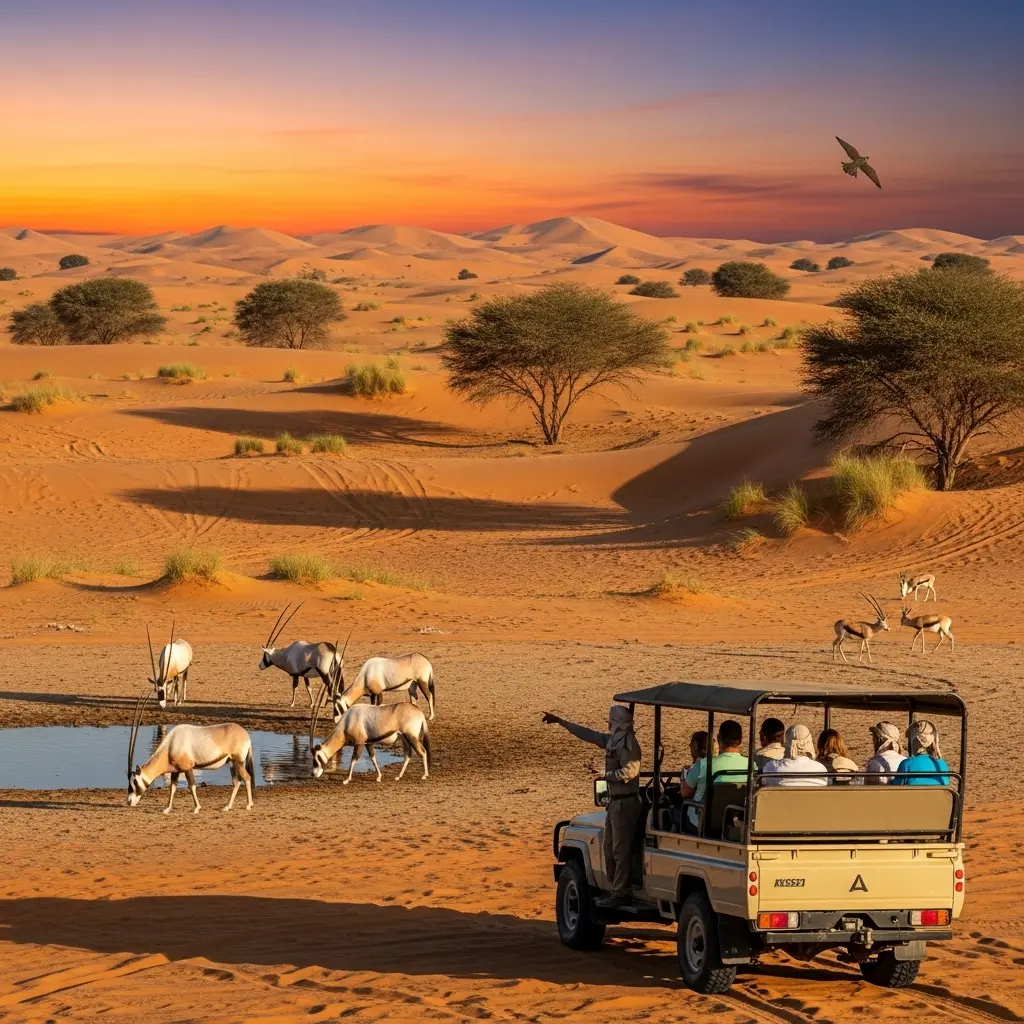
Safari Wildlife Preservation: How Your Adventure Helps Protect the Desert
It might seem like a paradox: how can driving a vehicle into a fragile desert environment actually help to protect it? The answer lies in the modern, visionary model of sustainable tourism, a model in which the desert safari has become one of the most powerful tools for wildlife preservation in the region. A carefully chosen desert tour does more than just provide you with incredible memories; it makes you an active participant in a world-class conservation success story.
The truth is that not all safaris are created equal. But a responsible, conservation-focused tour is a critical component of the Safari Wildlife Preservation strategy in the UAE. It transforms the stunning landscapes and the magnificent native animals from a simple natural resource into a valuable, sustainable asset that is worth protecting.
This guide explores the surprising and vital ways that your desert safari directly supports the protection of the Arabian Desert’s precious biodiversity. From directly funding conservation efforts to educating a global audience, let’s delve into how your adventure can make a real, positive difference.
1. Direct Financial Contribution to Conservation
This is the most direct and impactful way your tour supports Safari Wildlife Preservation. When you book a tour with an operator licensed to enter a protected area like the Dubai Desert Conservation Reserve (DDCR), a significant portion of your ticket price is paid directly to the reserve as a conservation fee.
This is not an abstract concept; your money is put to work on the ground immediately. This funding pays for the essential, day-to-day operations of the reserve. This includes the salaries of the park rangers and anti-poaching patrols, the maintenance of the vehicles needed to monitor the vast area, the running of veterinary facilities for the animals, and the implementation of crucial scientific research projects. Your visit directly funds the protection of the very animals you have come to see.
2. Creating Economic Value for a Living Ecosystem
For conservation to succeed in the long term, it must make economic sense. The sustainable tourism model is a powerful force in Safari Wildlife Preservation because it proves that a pristine, living desert is an incredibly valuable economic asset.
By creating a high-demand, premium tourism product centered on a healthy ecosystem, it provides a compelling economic argument against unsustainable development. A desert landscape thriving with its native flora and fauna becomes more valuable as a protected reserve drawing in tourists than it would be as real estate. Your choice to go on a nature safari sends a clear message: conservation pays.
3. The Power of Global Education and Ambassadorship
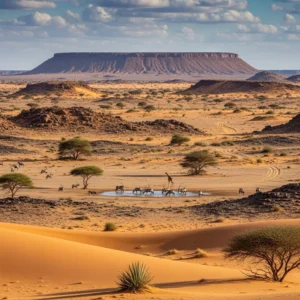
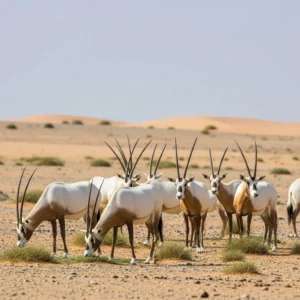
A responsible safari is a classroom without walls. The guides on these tours are trained naturalists and conservation educators. During your drive, they will share fascinating information about the biology of the Arabian Oryx, the behavior of gazelles, and the delicate balance of the desert ecosystem.
This education is a key part of Safari Wildlife Preservation. It transforms a simple animal sighting into a meaningful connection. When you learn the incredible story of how the Arabian Oryx was brought back from extinction, you become invested in its survival. Visitors who have these profound experiences go home as global ambassadors for Arabian wildlife, sharing the story and the importance of conservation with their friends and family around the world.
4. Supporting Groundbreaking Species Reintroduction Programs
The UAE is a world leader in breeding and reintroducing endangered native species. The most famous example is “Operation Oryx,” but there are also major programs for the Houbara Bustard and various gazelle species. The Safari Wildlife Preservation model is critical to the success of these programs.
These reintroduction initiatives require vast, protected, and well-managed areas where the animals can be released safely. The conservation reserves, funded in large part by sustainable tourism, provide these essential safe havens. Your visit helps to maintain the very habitats that are needed to bring these iconic species back to their ancestral homes.
5. Providing “Eyes and Ears” on the Ground
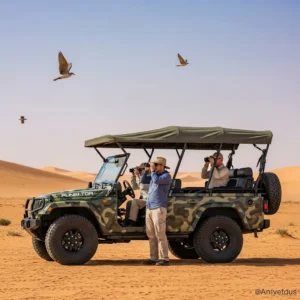
The regular, predictable, and controlled presence of licensed safari vehicles in a protected reserve serves as a powerful deterrent to illegal activities like poaching or trespassing. The constant movement of official tour vehicles makes it very difficult for illicit activities to go unnoticed.
Furthermore, the safari guides themselves act as an extension of the reserve’s ranger team. They are on the ground every single day and are expertly trained to spot anything out of the ordinary. They can report an injured animal, a breach in a fence, or any suspicious activity directly to the reserve’s management. This daily monitoring is an invaluable, and often overlooked, contribution to Safari Wildlife Preservation.
6. Funding Active Habitat Restoration
A portion of the conservation fees generated by tourism is invested back into active habitat management. This is a hands-on approach to Safari Wildlife Preservation.
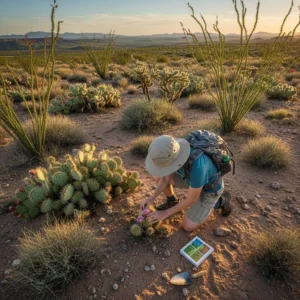
This can include projects like the removal of invasive, non-native plant species that can harm the local ecosystem. It also funds the planting of native Ghaf and Acacia trees. These trees are vital to the health of the desert; they stabilize the soil, provide crucial shade, and are a primary source of food and shelter for a huge variety of wildlife.
7. Your Choice Matters: How to Be a Conservation-Conscious Traveler
It is crucial to understand that only a specific type of safari contributes to these efforts. A standard, low-budget dune-bashing tour in an unregulated area does not support conservation. To make a difference, you must consciously choose your operator.
Look for tours that explicitly state they are “nature,” “conservation,” or “wildlife” focused. The gold standard is choosing one of the few operators licensed to enter the Dubai Desert Conservation Reserve. These premium tours, which you can research on platforms like https://royaldesertadventures.ae/, are your guarantee that your visit is part of the solution. Using review sites like https://dubaidesertsafarie.com/ and https://hafiztourism.com/ can also help you verify an operator’s commitment to responsible practices.
Your Tour’s Impact: A Chain of Positive Action
Frequently Asked Questions (FAQs)
1. How much of my safari ticket price actually goes to conservation? If you book a tour with an operator licensed to enter the Dubai Desert Conservation Reserve (DDCR), a significant portion of your fee is a mandated conservation charge that goes directly to the reserve’s management authority. The exact amount can vary, but it is a substantial and direct contribution that funds the reserve’s operational budget.
2. What is the IUCN, and what is its relationship with the DDCR? The IUCN is the International Union for Conservation of Nature, the global authority on the status of the natural world. The DDCR is the first national park in the UAE to be recognized and accepted as a member of the IUCN. This is a prestigious international endorsement that acknowledges the reserve’s serious commitment to conservation and its adherence to global standards for protected areas.
3. What is the difference between “ecotourism” and “sustainable tourism”? The terms are related and often used interchangeably. Ecotourism is a specific niche of tourism focused on visiting natural environments and wildlife. Sustainable tourism is a broader concept that applies to all forms of travel. A Sustainable Desert Safari is an example of ecotourism that also follows the three core principles of sustainability: it is environmentally friendly, culturally respectful, and economically beneficial to the local community.
4. How successful are the conservation efforts in Dubai? They are incredibly successful and are seen as a global model. The story of the Arabian Oryx being brought back from extinction in the wild is one of the greatest conservation triumphs in history. The thriving populations of Oryx and gazelles in the DDCR today are a testament to the success of this long-term vision.
5. Can I donate directly to the DDCR or other conservation funds in the UAE? Yes. While the most direct way for a tourist to contribute is by taking a tour with a licensed DDCR operator, the DDCR does accept direct donations to support its conservation work. There are also other environmental NGOs in the UAE, like the Emirates Nature-WWF, that accept public donations to fund their various conservation projects across the country.
6. What is the biggest threat to wildlife in the Arabian desert today? While poaching has been largely controlled in the protected reserves, the biggest ongoing threats are habitat loss and fragmentation due to rapid urban and industrial development. Climate change, which can lead to increased temperatures and prolonged droughts, also poses a significant long-term threat to the delicate balance of the desert ecosystem. This is why Safari Wildlife Preservation in dedicated reserves is so critical.
7. How does the safari industry contribute to scientific research? The conservation reserves, funded by tourism, are living laboratories. The data collected by rangers and guides on animal populations, movements, and behaviors is invaluable for scientific research. The reserves partner with universities and international conservation bodies to conduct studies that help improve wildlife management strategies not just in the UAE, but in arid environments worldwide.
8. Are standard (non-conservation) desert safaris actively harmful to the environment? A standard safari that operates in an unregulated area can be harmful. Unrestricted off-road driving can cause significant damage to desert vegetation and lead to soil erosion. These tours also do not contribute financially to conservation efforts. This is why choosing a responsible operator in a protected area is so important for a positive impact.
9. What is “greenwashing,” and how can I spot it with tour operators? “Greenwashing” is when a company makes misleading claims about its environmental credentials to attract customers. To spot it, look for specifics rather than vague claims like “eco-friendly.” A truly sustainable operator will be specific. They will name the protected reserve they operate in (like the DDCR), detail their waste management policies, and clearly state their commitment to animal welfare. A lack of specific details can be a red flag.
10. What does the future of desert conservation in the UAE look like? The future is very promising. The UAE government continues to show strong leadership in conservation, with plans for new protected areas and a continued focus on sustainable development. The success of the Safari Wildlife Preservation model in Dubai has created a template that can be replicated, proving that economic growth and environmental protection can go hand in hand.
11. Does my choice of a sustainable safari really make a difference? Yes, it makes a huge difference. Every single ticket for a tour in a protected reserve contributes directly to the funds needed to keep that reserve operating. Your choice creates a clear economic incentive for companies and governments to support conservation. The collective impact of thousands of responsible tourists is a powerful force for good.
12. What is the main principle of a conservation-focused safari? The main principle is “observe, don’t disturb.” The goal is to experience the natural environment in the most non-intrusive way possible. This means keeping a respectful distance from wildlife, staying on designated trails, and leaving the environment exactly as you found it.
13. Are the guides on these tours different from regular safari guides? Yes, guides who lead tours in the DDCR are required to undergo specialized training and certification that is far more extensive than that for a standard safari guide. They are expert naturalists who are trained in ecology, animal identification, and conservation principles, in addition to advanced driving and safety skills.
14. Does Safari Wildlife Preservation also include protecting plants? Yes, absolutely. Wildlife cannot survive without its habitat, and the native desert flora is the foundation of that habitat. Conservation fees are used to protect the entire ecosystem, which includes projects to protect and rehabilitate native plants like the Ghaf tree, which provides food and shelter for countless species.
15. How are the animal populations in the reserves monitored? The conservation teams use a variety of scientific methods. This can include regular vehicle and foot patrols to count animals, the use of camera traps to monitor more elusive nocturnal species, and sometimes the use of satellite collars on specific animals (like the Oryx) to track their movements and social structures over a large area.
16. What is the most important success story of Safari Wildlife Preservation in the UAE? Without a doubt, it is the story of the Arabian Oryx. The fact that a tourist can now easily see large, healthy herds of an animal that was completely extinct in the wild just 50 years ago is a remarkable achievement. It is a powerful and inspiring story that perfectly illustrates the positive impact of dedicated conservation efforts funded by responsible tourism.
17. Do other countries have similar tourism-funded conservation models? Yes, this model has been famously successful in other parts of the world, particularly with the safari industry in African countries like Kenya, Tanzania, and South Africa. The national parks and game reserves there are heavily funded by the fees paid by tourists who come for wildlife viewing. The UAE has successfully adapted this model for its unique desert environment.
18. What happens if a guide spots an injured animal? The guides are trained to deal with such situations. They will immediately report the location and condition of the animal to the reserve’s management and veterinary team. A specialized team will then be dispatched to assess the animal and, if necessary, transport it to a facility like the Dubai Falcon Hospital and Centre for Animal Rehabilitation for treatment.
19. How does reducing waste on a safari help wildlife? Reducing waste, particularly plastic, is critical for wildlife protection. Plastic bags and other garbage can be mistaken for food by animals like camels, leading to internal blockages and a slow, painful death. By operating on a “leave no trace” principle, a Sustainable Desert Safari ensures the habitat remains clean and safe for its inhabitants.
20. What is the most rewarding part of choosing a sustainable safari? The most rewarding part is the knowledge that your trip had a purpose beyond just entertainment. You become part of a positive story. You contribute to the survival of endangered species, support the preservation of a precious ecosystem, and gain a much deeper and more meaningful understanding of the destination you are visiting. It is an adventure that enriches you and the environment.