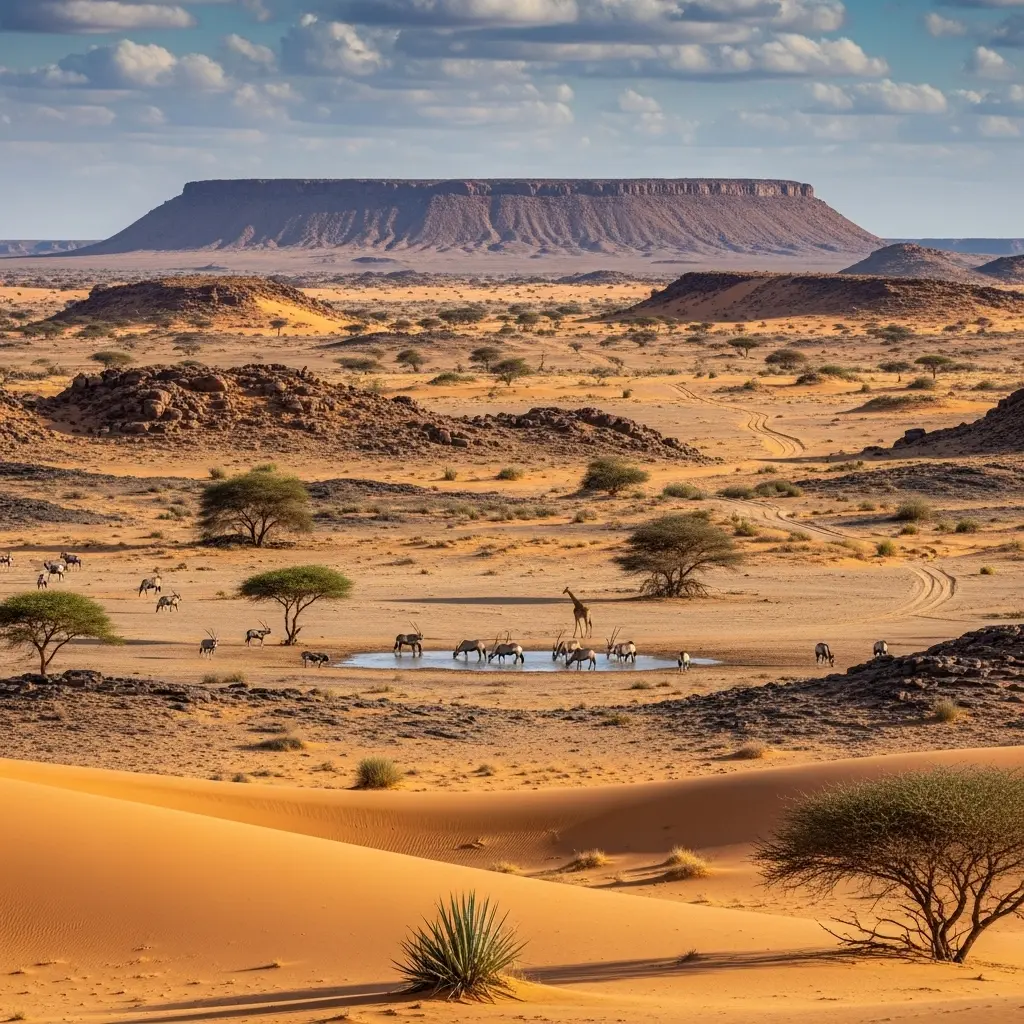
A Guide to the Desert Conservation Safari: Exploring the Protected Heart of Arabia
For the discerning traveler, the call of the desert is not just about thrilling adventures; it’s about connecting with the raw, untamed beauty of the natural world. In the UAE, a nation celebrated for its visionary leadership, this connection is best experienced through a Desert Conservation Safari. This is a special kind of journey, one that takes you beyond the usual tourist trails and into the protected heartlands of Arabia, areas where the pristine desert ecosystem is being actively preserved for future generations.
A Desert Conservation Safari is the ultimate choice for the eco-conscious visitor. It is an immersive experience that prioritizes the welfare of the environment and its wildlife over high-speed thrills. It’s an opportunity to see the desert not as a playground, but as a living, breathing, and fragile ecosystem, and to witness firsthand the incredible success of the UAE’s world-leading conservation initiatives.
This comprehensive guide will take you inside the most important conservation areas you can visit on a safari. We will explore their history, the magnificent wildlife that thrives within them, and what makes this sustainable approach to tourism such a profoundly rewarding experience.
Why Desert Conservation is a National Priority
Before exploring the reserves, it’s vital to understand why the UAE has dedicated vast resources to protecting its desert landscapes.
A Delicate and Unique Ecosystem
The Arabian Desert is a highly specialized environment. The flora and fauna that have adapted to survive here are unique and resilient, but their habitat is incredibly fragile. Unregulated off-road driving, development, and pollution can cause irreversible damage to the delicate vegetation that holds the dunes together and to the habitats of native animals. Recognizing this, the leadership of the UAE has made conservation a national priority.
The Vision of Sheikh Zayed
The conservation movement in the UAE was pioneered by its founding father, the late Sheikh Zayed bin Sultan Al Nahyan. A passionate naturalist with deep Bedouin roots, he understood the desert’s importance and foresaw the threats it would face. His vision led to the establishment of groundbreaking conservation programs, most famously “Operation Oryx,” and laid the foundation for the creation of the protected reserves we can visit today.
The Crown Jewel: The Dubai Desert Conservation Reserve (DDCR)
The DDCR is the premier destination for anyone seeking an authentic and sustainable Desert Conservation Safari. It is a world-class example of integrated conservation and tourism.
A Landmark in Preservation
Established in 2002, the DDCR is a massive, 225-square-kilometer protected area, representing about 5% of the Emirate of Dubai’s total land area. It is the first officially declared national park in the UAE and is a member of the International Union for Conservation of Nature (IUCN). Its primary mission is the protection of the Arabian desert’s biodiversity and cultural heritage.
The Magnificent Wildlife of the DDCR
The reserve is a sanctuary for the UAE’s most iconic native species. A safari drive through the DDCR is a premier wildlife-spotting experience.
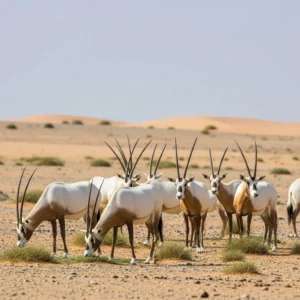
- Arabian Oryx: The DDCR is home to a large, free-roaming herd of the magnificent Arabian Oryx. Seeing these animals, which were brought back from the brink of extinction, is the highlight of any visit.
- Gazelles: You will see large numbers of both the Arabian Sand Gazelle (Reem) and the Arabian Mountain Gazelle grazing on the plains.
- Other Mammals: Keep a keen eye out for smaller, more elusive creatures like the Arabian Red Fox, the Sand Fox, and Gordon’s Wildcat.
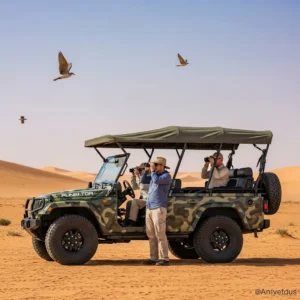
- Birdlife: The DDCR is a haven for birds, both resident and migratory. It is one of the best places to spot the culturally significant Houbara Bustard, as well as various eagles, owls, and larks.
The Safari Experience in the DDCR
A Desert Conservation Safari inside the DDCR is a unique and highly regulated experience.
- Restricted Access: Only a handful of carefully selected tour operators are granted permission to operate within the reserve. You can find these premium options on platforms like
https://royaldesertadventures.ae/. - Strict Regulations: All tours must follow strict rules, including staying on designated tracks to protect the flora, maintaining slow speeds, and adhering to respectful viewing distances from wildlife.
- Focus on Education: The guides are highly trained experts in the local ecology and conservation. The tour is as much an educational journey as it is a sightseeing trip.
The Expansive Wilderness: The Al Marmoom Desert Conservation Reserve
The Al Marmoom Desert Conservation Reserve is another spectacular destination, offering a different but equally compelling experience.
The UAE’s Largest Unfenced Reserve
Declared in 2018, Al Marmoom is the largest unfenced nature reserve in the country. It is a vast, open expanse that aims to promote both ecotourism and the preservation of the area’s rich archaeological history, which includes ancient tombs and artifacts.
The Al Qudra Lakes: A Desert Oasis
The most famous feature of Al Marmoom is the Al Qudra Lakes. This series of man-made lakes in the middle of the desert has created a stunning oasis habitat that attracts an incredible diversity of birdlife. Over 170 species of birds, including migratory flamingos, swans, and ducks, have been recorded here, making it a hotspot for birdwatchers.
The Safari Experience in Al Marmoom
A Desert Conservation Safari in Al Marmoom can be a more diverse experience. It can combine a drive through the dunes to see Oryx and gazelles with a visit to the lakes to witness the spectacular birdlife. The area is also popular for its recreational facilities, such as the Al Qudra Cycling Track. Comparing operators on sites like https://dubaidesertsafarie.com/ and https://hafiztourism.com/ can help you find tours that specialize in this unique reserve.
A Comparison of the Premier Desert Reserves
Frequently Asked Questions (FAQs)
1. What is the main goal of a Desert Conservation Safari? The main goal is to provide guests with an authentic and educational nature experience while having a minimal environmental impact. Unlike a standard safari that focuses on thrill-seeking, a Desert Conservation Safari prioritizes respectful wildlife observation, understanding the ecosystem, and contributing to the long-term protection of the desert.
2. Is hunting allowed in these conservation areas? Absolutely not. All forms of hunting are strictly prohibited in the DDCR and Al Marmoom. These areas are sanctuaries established to protect and rehabilitate wildlife populations. The strict enforcement of anti-poaching laws is a key part of their management.
3. What does the entry fee for the DDCR fund? When you book a tour with an operator licensed for the DDCR, a portion of your tour cost is a direct contribution to the reserve. This fee funds the reserve’s vital conservation work, including wildlife monitoring, scientific research, habitat restoration, and the salaries of the conservation team and anti-poaching patrols.
4. Can I drive my own car into the DDCR or Al Marmoom? You cannot drive your own vehicle into the DDCR; access is strictly limited to the official licensed operators. The Al Marmoom reserve is generally more accessible, and you can drive your own car to public areas like the Al Qudra Lakes. However, for a proper wildlife drive into the deeper parts of the reserve, a guided tour is still the best and safest option.
5. What is the story behind the man-made Al Qudra Lakes? The Al Qudra Lakes were created as part of Dubai’s vision to create green and sustainable spaces within the desert. They were designed to form a natural-looking wetland habitat that could support biodiversity. They have been incredibly successful, attracting a huge number of migratory birds and becoming a beloved recreational spot for residents and tourists.
6. Are there scientific research projects happening in these reserves? Yes, both reserves are active centers for scientific research. Biologists and ecologists study everything from the genetic health of the reintroduced Oryx population to the migration patterns of birds and the resilience of native desert flora. This research is crucial for making informed decisions about the long-term management and conservation of the desert.
7. How does choosing a Desert Conservation Safari help the environment? It helps by providing a direct economic incentive for conservation. By showing that there is a strong commercial demand for sustainable, nature-based tourism, it encourages governments and businesses to invest more in protecting natural landscapes. Your choice demonstrates that a pristine desert is a valuable asset worth preserving.
8. Are there other important conservation areas in the UAE? Yes, the UAE has a strong network of protected areas. One of the most famous is the Sir Bani Yas Island reserve off the coast of Abu Dhabi, which is a massive wildlife park home to thousands of free-roaming animals, including the Arabian Oryx, gazelles, giraffes, and even cheetahs.
9. What kind of training do the guides for a DDCR safari have? Guides for the DDCR undergo a rigorous and specialized training program. In addition to advanced off-road driving and first aid skills, they receive in-depth training in the region’s ecology, biology, and conservation history. They are expert naturalists who can identify species, interpret animal behavior, and communicate the importance of conservation to their guests.
10. What is the difference between a National Park and a Conservation Reserve in the UAE? The terms are often used interchangeably, but generally, a National Park (like the DDCR) has a very high level of protection with strictly controlled access, often managed by a dedicated authority. A Conservation Reserve (like Al Marmoom) is also a protected area but may have a more multi-use approach, allowing for more public access and certain recreational activities in designated zones.
11. Is the experience on a conservation safari boring for kids? Not at all! While it is quieter, it can be incredibly exciting for children with an interest in nature. It’s like a real-life treasure hunt for animals. The guides are often skilled at engaging children, and the thrill of spotting a herd of Oryx or a flock of flamingos is a magical experience for any age.
12. How does the safari feel different without the high-speed dune bashing? The experience is much more serene and immersive. Instead of a loud, adrenaline-fueled ride, you get a gentle drive that allows you to fully appreciate the vastness and silence of the desert. It encourages you to notice the smaller details—the tracks in the sand, the subtle colors of the flora, the call of a distant bird. It is a more mindful and contemplative experience.
13. What is the best season to go on a Desert Conservation Safari? The cooler winter months, from October to April, are ideal. The weather is pleasant for being outdoors, and the animals are more active for longer periods during the day. This period also coincides with the bird migration season, making it a prime time for birdwatching, especially at the Al Qudra Lakes in Al Marmoom.
14. Are the camps inside the DDCR also eco-friendly? Yes, the camps operated by the licensed partners inside the DDCR must adhere to strict sustainability standards. This often includes the use of solar power for energy, robust waste management and recycling systems, and water conservation measures. They are designed to have a minimal impact on the surrounding environment.
15. Can I go for a walk in the conservation reserves? Unsupervised hiking is generally not permitted in the DDCR to protect the fragile environment and for safety reasons. However, some specialized tours do include short, guided nature walks in designated areas, which are a fantastic way to get a closer look at the desert flora and fauna.
16. How did the animals get to the reserves in the first place? The Arabian Oryx were the subject of a major reintroduction program, where animals bred in captivity around the world were carefully flown back and released into these protected areas. The gazelle populations have also been boosted by similar captive-breeding and release programs.
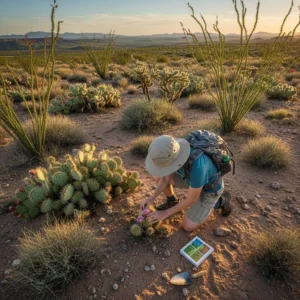
17. Do the reserves have a role in preserving plant life? Yes, absolutely. A key role of a Desert Conservation Safari and the reserves is to highlight the flora. By protecting the land from overgrazing and physical damage, the reserves allow native grasses, shrubs, and trees like the Ghaf and Acacia to grow naturally. This provides a crucial habitat and food source for the animals and preserves the region’s botanical heritage.
18. What is the biggest conservation challenge for the desert today? While the reintroduction programs have been a huge success, the biggest ongoing challenges are habitat loss due to urbanization and infrastructure development, and the impacts of climate change, which can lead to longer droughts and affect the availability of food and water for the wildlife.
19. How many people are allowed in the DDCR at one time? The number of vehicles and visitors allowed into the DDCR each day is strictly limited. This is a key part of the “low-impact” tourism model. By limiting the numbers, the reserve ensures that the animals are not stressed by overcrowding and that each visitor has a high-quality, exclusive experience.
20. Why is a Desert Conservation Safari a more meaningful experience? It is more meaningful because it is travel with a purpose. You are not just a consumer of an experience; you are an active participant in a success story. Your visit directly contributes to the protection of a precious ecosystem and the survival of iconic species. You leave with not just beautiful photos, but with a deeper understanding of the natural world and the satisfaction of knowing your journey made a positive impact.