Camel Riding History: How the Ship of the Desert Shaped Our World
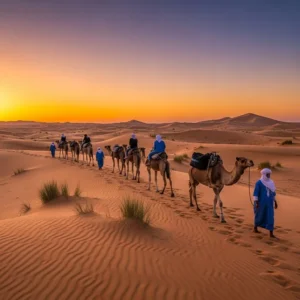
When you picture the Arabian Desert, the image that invariably comes to mind is that of a camel caravan silhouetted against a fiery sunset. This imagery is powerful for a reason. The camel is not just an animal that lives in the desert; it is the creature that made life, culture, and civilization possible in this vast and arid expanse. The story of Camel Riding History is the story of human resilience, exploration, and connection.
The gentle, swaying camel ride offered on a modern desert safari is more than just a quaint activity; it’s a living tribute to thousands of years of partnership between humans and this extraordinary animal. Every step the camel takes on the soft sand echoes the journeys of Bedouin nomads, intrepid traders, and ancient explorers who relied on these creatures for their very survival.
To truly appreciate that short trek across the dunes, we must journey back in time and explore the profound impact of the camel. This guide delves deep into the Camel Riding History, from the animal’s incredible biological adaptations to its role as the engine of global trade and the cherished centerpiece of Bedouin culture. Understanding this rich heritage transforms a simple ride into a meaningful connection with the past.
1. A Marvel of Biological Engineering: The Adapted Camel
Before humans ever rode them, camels had already perfected the art of surviving the desert. The Dromedary, or one-humped Arabian camel, is a masterpiece of evolution. Understanding its unique biology is the first step in appreciating the deep Camel Riding History.
The Truth About the Hump
The camel’s most famous feature is widely misunderstood. The hump does not store water. It is a large reservoir of fatty tissue. In times of scarce food, the camel’s body metabolizes this fat, providing it with the energy it needs to survive for long periods. When a camel is well-fed, its hump is firm and upright; after a long, arduous journey, it can become limp and floppy.
Unparalleled Water Conservation
A camel’s ability to manage water is legendary. It can drink up to 100 liters (over 25 gallons) of water in just a few minutes to rehydrate. More impressively, it conserves this water with incredible efficiency. Its kidneys produce highly concentrated urine, and its droppings are very dry. Camels also barely sweat, and their body temperature can fluctuate significantly to avoid water loss through perspiration.
Built for the Sand
The camel’s body is perfectly designed for the desert terrain. Its feet are not hooves but wide, two-toed leathery pads that spread out when they touch the ground, preventing the heavy animal from sinking into the soft sand. This is why they are such effective desert transport, a foundational element of Camel Riding History.
Protection from the Elements
Every part of the camel’s head is adapted for protection. It has a double row of long, curly eyelashes and bushy eyebrows to keep sand out of its eyes. Its ears are lined with hair for the same purpose. Most remarkably, a camel can close its nostrils completely to prevent inhaling sand during a storm.
2. The Engine of Ancient Commerce: Camel Caravans
The domestication of the camel, which began around 3,000 BCE, was a turning point for human civilization. It unlocked the vast, impassable deserts and turned them into highways for trade. This is the core of Camel Riding History.
The Legendary Incense Route
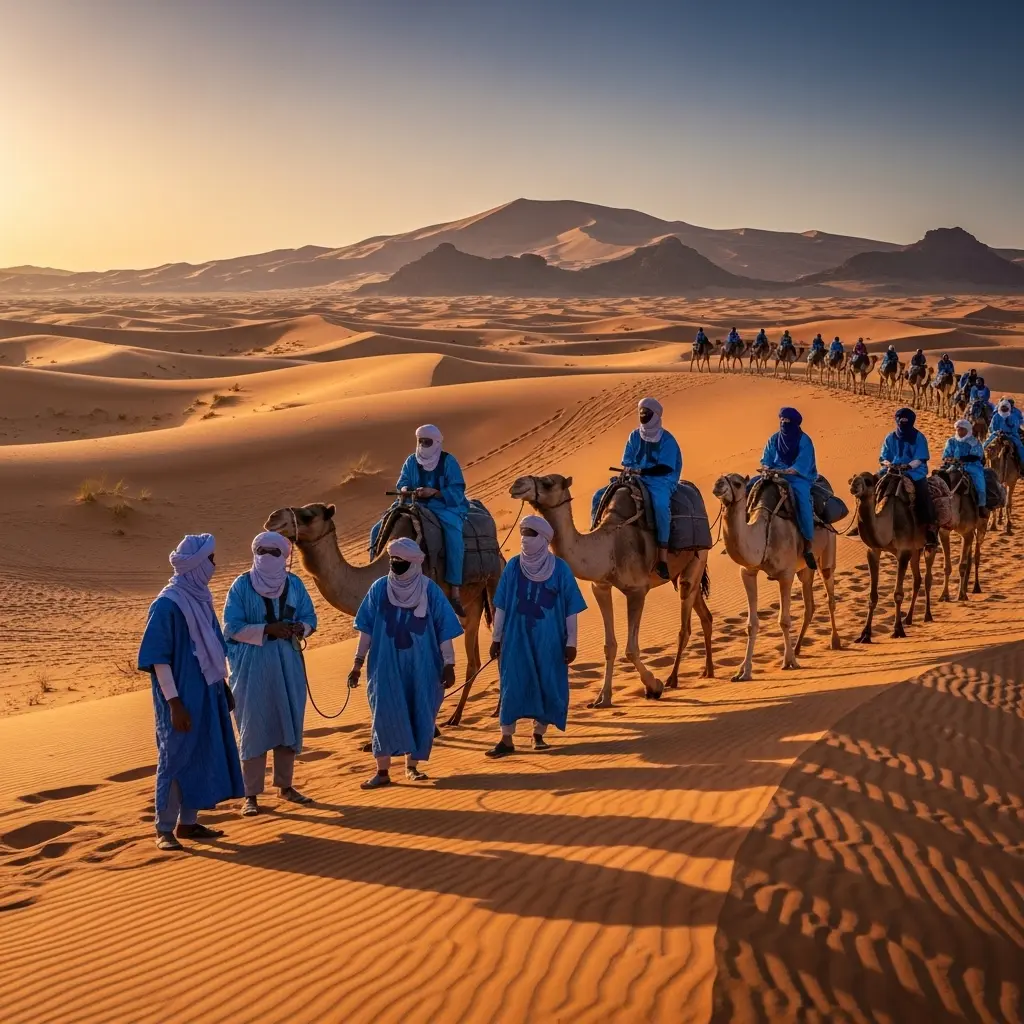
Long before the Silk Road, the Incense Route was one of the world’s most lucrative trade networks, and it was entirely dependent on camels. This route allowed precious commodities like frankincense and myrrh, which only grew in Southern Arabia, to be transported across the desert to the wealthy markets of the Mediterranean. Camel caravans, sometimes numbering in the thousands, were the only way to move these goods, leading to the rise of powerful kingdoms that controlled this trade.
A Crucial Link on the Silk Road
While we often associate the Silk Road with China, its western desert portions were camel territory. Camels, particularly the two-humped Bactrian species in Central Asia, were essential for carrying silk, spices, and other goods across the harsh deserts of the region, connecting the great empires of the East and West.
The Trans-Saharan Gold Trade
The impact of the camel was not limited to Asia and the Middle East. The introduction of the camel to North Africa around the first century CE revolutionized trade there as well. Camel caravans made the grueling journey across the Sahara Desert possible, connecting West African kingdoms, rich in gold, with the salt mines and markets of the north. This trade in gold and salt built immense empires and fostered cultural exchange.
3. The Centerpiece of Bedouin Culture
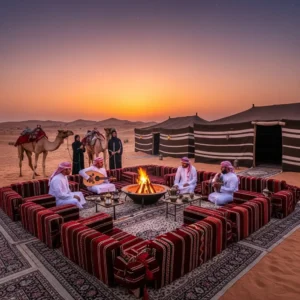
For the nomadic Bedouin people of the Arabian Peninsula, the camel was the absolute center of their existence. A man’s wealth and status were not measured in gold, but in the number of camels he owned. This profound relationship is a vital chapter in Camel Riding History.
The Source of All Life
The camel provided the Bedouins with everything they needed to survive.
- Transport: It was their only means of moving their families and belongings across the vast desert.
- Food and Drink: Camel milk is incredibly nutritious and was a staple of the Bedouin diet. Camel meat was also a vital source of protein, especially for celebrations.
- Shelter and Clothing: The camel’s hair was woven into wool for blankets, tents, and warm clothing.
- Currency: Camels were the primary unit of exchange and were used to pay dowries for marriages.
The Camel in Poetry and Sport
The camel is deeply woven into the cultural fabric of the region. It is a recurring subject in classical Arabic poetry, often praised for its loyalty, endurance, and beauty. This reverence continues today in the popular heritage sport of camel racing, where specially bred racing camels compete for huge prizes in a spectacle of speed and endurance. Exploring such cultural elements is part of understanding the full Camel Riding History.
4. The Modern Safari Ride: A Tribute to History
The camel ride you experience on a desert safari today is a nostalgic nod to this incredible history. It offers a chance to disconnect from the modern world and experience the desert at a slower, more contemplative pace.
A Different Perspective
After the thrilling speed of dune bashing, the slow, rhythmic, and swaying gait of a camel ride provides a peaceful contrast. From your elevated vantage point, you can appreciate the subtle beauty of the dunes and the vast silence of the desert in a way that is impossible from inside a vehicle. It’s a chance to understand the rhythm of travel that defined this region for millennia. You can find tours that specialize in this authentic experience on platforms like https://royaldesertadventures.ae/.
Animal Welfare in Modern Tourism
Today, there is a strong and growing emphasis on the ethical treatment of animals in tourism. Reputable tour operators in Dubai, such as those that can be researched on https://dubaidesertsafarie.com/ and https://hafiztourism.com/, are committed to the welfare of their camels. These animals are well-fed, given plenty of rest, and receive regular veterinary care. Supporting these responsible operators ensures that this important tradition can continue in a sustainable and humane way.
Comparing the Two Main Types of Domesticated Camels
The story of the camel is primarily about two different species that enabled human expansion across the world’s deserts.
Frequently Asked Questions (FAQs)
1. How much water can a camel actually drink at one time? A thirsty camel’s capacity for water is astounding and a key part of its survival mechanism. An adult dromedary camel can drink up to 113 liters (30 gallons) of water in as little as 10-13 minutes. This incredible ability allows it to rehydrate rapidly whenever it finds a rare water source, storing it in its bloodstream and body tissues to be used efficiently over the following days or weeks.
2. What exactly is stored inside a camel’s hump? Contrary to the popular myth, a camel’s hump does not store water. It is a large mound of fatty tissue. This serves as a concentrated energy reserve. In the desert, where food can be scarce, the camel’s body can break down this fat to produce the energy it needs to keep going. This is why the hump of a well-nourished camel is large and firm, while that of a camel that has gone a long time without food will be smaller and may even flop to one side.
3. Why does a camel have such a rocky, swaying gait when you ride it? A camel’s distinctive walk is due to its gait. Unlike horses, which move their legs on opposite sides at the same time (e.g., left front, right rear), a camel moves both legs on the same side of its body simultaneously. This “pacing” gait is very energy-efficient for walking long distances on flat ground but creates the side-to-side swaying motion that riders experience.
4. What was the ancient Incense Route that camels made possible? The Incense Route was a major ancient trade network that was fundamental to the early Camel Riding History. It was entirely dependent on camels to transport high-value goods like frankincense and myrrh from their source in Southern Arabia (modern-day Yemen and Oman) across thousands of miles of desert to the ports of the Mediterranean. This trade was incredibly lucrative and led to the rise of powerful and wealthy ancient kingdoms, like the Nabataeans who built the city of Petra.
5. How did Bedouin travelers navigate the vast, featureless desert on camels? Bedouin navigation was a remarkable skill. They used a technique called “dune-lore,” reading the subtle patterns and shapes of the sand dunes, which were often consistent due to prevailing winds. At night, they were expert astronomers, using the positions of the stars and constellations to guide their way. This deep, intuitive knowledge of the environment was a crucial part of their survival.
6. Is camel milk really nutritious? Yes, camel milk is considered a “superfood.” For centuries, it was a cornerstone of the Bedouin diet. It is lower in fat and cholesterol than cow’s milk and is significantly higher in Vitamin C, iron, and calcium. It is also easier to digest for people with lactose intolerance. It has a slightly saltier taste than cow’s milk and is a staple of the traditional Emirati diet.
7. Are the camels used in Dubai desert safaris treated humanely? Reputable and licensed tour operators in Dubai place a high priority on animal welfare. Their camels are valuable assets and are generally well-cared for, receiving proper food, water, rest, and veterinary attention. As a responsible tourist, you should choose tour operators who are transparent about their animal welfare practices. A healthy, well-treated camel will have a full, firm hump, a clear coat, and a calm demeanor.
8. How fast can a camel run? While we associate camels with slow, steady walking, they can run surprisingly fast. A regular camel can run at speeds of up to 40 km/h (25 mph) for short bursts. Specially bred racing camels, which are a major part of the heritage sport of camel racing in the UAE, can maintain speeds of over 65 km/h (40 mph) during a race.
9. What is the difference between a “camel” and a “dromedary”? The term “camel” refers to the broader family of animals. There are two main species: the Dromedary, which has one hump and is native to the Arabian Peninsula, and the Bactrian camel, which has two humps and is native to Central Asia. Since virtually all camels in Dubai are Dromedaries, the terms are often used interchangeably in the region.
10. How long does a typical camel ride last on a desert safari? The camel ride included in a standard evening safari is a short, taster experience. It usually lasts for about 10-15 minutes and takes place in the area around the campsite. It’s designed to give you a feel for the unique motion and to provide a great photo opportunity. Longer, dedicated camel trekking tours that last for an hour or more are available for those who want a more in-depth experience.
11. Is there a weight limit for riding a camel? Yes, most operators have a weight limit for the safety and welfare of both the rider and the camel. This limit is usually around 100-120 kg (220-265 lbs). If you are close to or over this limit, it is best to check with the tour operator at the time of booking to ensure they can accommodate you.
12. Is camel riding difficult or scary? Camel riding is not difficult as the camels are led by experienced handlers. The only potentially nerve-wracking moments are the mounting and dismounting. A camel stands up and sits down with its back legs first, which creates a sudden lurching motion forward and then backward. The key is to hold on tight to the saddle handle and lean back as it stands up, and lean forward as it sits down.
13. What is a “howdah” on a camel? A howdah is an elaborate, often decorated seat or canopy that is placed on the back of a camel (or elephant). In the deep Camel Riding History, these were used to carry wealthy merchants, women of high status, or precious goods in a more comfortable and protected manner than a standard riding saddle.
14. What are some of the biggest misconceptions about camels? Besides the myth about water in the hump, another common misconception is that camels are bad-tempered and spit a lot. While they can be stubborn, they are generally placid and patient animals. The “spitting” is actually a defense mechanism where they regurgitate the contents of their stomach (saliva and gastric juices) when they feel threatened. This is very rare in the well-handled camels used for tourist rides.
15. How did the domestication of the camel change society? The impact was revolutionary. Camel domestication opened up the vast deserts to humanity. It allowed for the creation of massive trade networks that were previously impossible, leading to the exchange of goods, ideas, and culture across continents. It enabled the rise of powerful desert kingdoms and was the foundation of the nomadic Bedouin lifestyle for thousands of years.
16. Are camels still used for transport in the Middle East today? While modern technology like 4×4 vehicles and trucks has replaced the camel for large-scale, long-distance transport, camels still hold an important place. They are central to the heritage sport of camel racing, are a major draw for the tourism industry, and are still used by some modern Bedouins in remote areas for short-distance travel and for herding.
17. What does the “ship of the desert” nickname refer to? This famous nickname is a perfect description of the camel’s role in the deep Camel Riding History. Just as ships were the only way to cross the vast oceans, camels were the only reliable way to cross the vast “seas” of sand in the desert. They could carry heavy loads (up to 200 kg or 440 lbs) for long distances with minimal food and water, making them the essential vehicle of desert travel and trade.
18. Is it safe to ride a camel? Yes, it is very safe when done through a reputable tour operator. The camels are well-trained and accustomed to people. They are always led by an experienced handler who controls the animal’s pace and direction. As a rider, your only job is to sit balanced and hold on to the saddle handle.
19. What is the lifespan of a dromedary camel? A dromedary camel has a surprisingly long lifespan, typically living for 40 to 50 years. Their long life and years of service further cemented their value and status as a cherished possession within Bedouin families.
20. How does a camel ride enhance the desert safari experience? The camel ride provides a crucial change of pace and perspective. After the noisy, high-speed thrill of dune bashing in a modern vehicle, the slow, silent, and rhythmic pace of the camel ride connects you to the historical way of life. It allows you to appreciate the quiet majesty and sheer scale of the desert in a way that is both calming and profound, offering a direct link to the rich Camel Riding History that defines the region.