Finding the Best Desert Safari Season: A Comprehensive Guide to Your Perfect Trip
The Arabian Desert is a land of mesmerizing beauty and thrilling adventures. Its vast golden dunes, serene sunsets, and star-studded nights offer a magical escape from the bustle of city life. However, the key to unlocking the perfect desert safari experience lies in one crucial factor: timing. Choosing the Best Desert Safari Season can dramatically influence your comfort, the activities you can enjoy, and the overall quality of your adventure. The desert’s climate is one of extremes, and aligning your visit with the most favorable weather conditions is paramount.
Many travelers wonder when they should book their trip to ensure a memorable and comfortable experience. Is it better to go during the cooler winter months or take advantage of the deals during the summer? This guide will provide a detailed, month-by-month breakdown of the desert climate and what you can expect during different times of the year.
We will explore the peak season, the off-season, and the transitional periods in between, helping you identify the Best Desert Safari Season for your specific needs, whether you’re a thrill-seeker, a family with young children, a budget traveler, or a passionate photographer. Understanding the nuances of the desert’s rhythm is the first step toward planning an adventure that is not just exciting but also perfectly timed.
The Prime Time: Why Winter (October – April) is the Best Desert Safari Season
There is a widespread consensus among seasoned travelers and local experts that the winter months are unequivocally the Best Desert Safari Season. Spanning from October to April, this period offers a welcome respite from the region’s intense summer heat, presenting a climate that is perfect for exploring the great outdoors. The days are pleasantly warm and sunny, while the evenings are cool and comfortable, creating an ideal environment for a full day of activities.
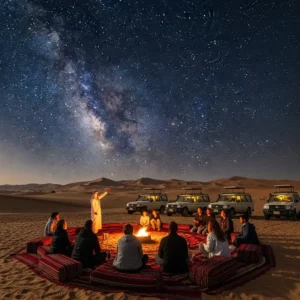
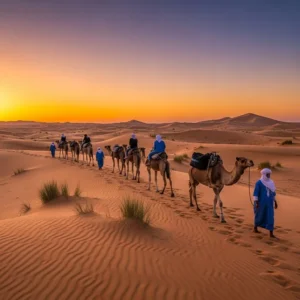
During these months, the desert truly comes alive. The comfortable temperatures allow you to fully immerse yourself in every experience, from the adrenaline rush of dune bashing in the afternoon sun to the tranquil pleasure of a camel ride at sunset. The clear, crisp air of the winter nights also provides the most spectacular conditions for stargazing. When you book your adventure through a reliable portal like https://royaldesertadventures.ae/, you’ll find a wider array of tour options available during this peak period.
Let’s break down the winter season further to understand the unique characteristics of each month.
October and November: The Golden Transition
As the intense heat of summer subsides, October and November usher in a beautiful transitional period. The temperatures become progressively milder, making it the Best Desert Safari Season to kick off the tourist rush. The daytime heat is manageable, and the humidity drops, creating a very pleasant atmosphere for all desert activities.
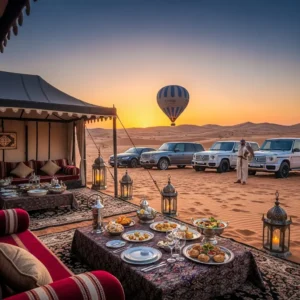
This is an excellent time for photography, as the light is soft and golden, especially during sunrise and sunset. The cooler ground means that desert wildlife, such as the Arabian Oryx and gazelles, begins to be more active during the day, increasing your chances of a memorable sighting. The evenings are comfortable and require just a light jacket, making the campfire experience delightful.
December, January, and February: The Peak of Perfection
These three months represent the absolute pinnacle of the desert safari experience. They are widely regarded as the Best Desert Safari Season due to the perfect weather conditions. Daytime temperatures are akin to a beautiful European summer’s day, typically ranging from 20°C to 25°C (68°F to 77°F).
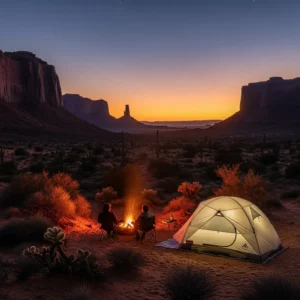
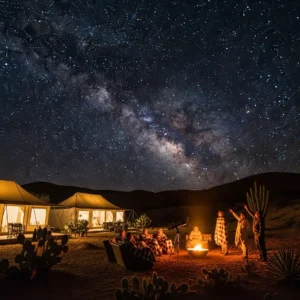
This idyllic weather allows for extended periods of outdoor activity without the risk of overheating. It is the ideal time for families with young children or elderly members who are more sensitive to heat. The evenings are crisp and cool, sometimes dropping to around 10°C (50°F), which makes sitting around a bonfire, sipping Arabic coffee, and watching traditional performances an incredibly cozy and authentic experience. The clear, pollution-free skies of mid-winter offer unparalleled stargazing opportunities.
March and April: A Beautiful Farewell to the Cool Weather
March and April are the shoulder months that signal the end of the prime season. The weather remains largely fantastic, though temperatures begin to steadily climb, especially in the latter half of April. This period is still considered part of the Best Desert Safari Season, often with the added benefit of fewer crowds compared to the peak winter rush.
You may be lucky enough to witness the desert in bloom, as sparse winter rains can cause a surprising array of desert flowers and plants to spring to life, adding a unique splash of color to the golden landscape. It’s a wonderful time to enjoy the full spectrum of activities before the formidable summer heat sets in.
The Off-Season Challenge: Navigating a Summer Safari (May – September)
Venturing into the desert during the summer months is a completely different proposition. This period is the off-peak season for a reason: the heat is extreme and can be dangerous if not managed properly. Daytime temperatures frequently soar above 40°C (104°F) and can even approach 50°C (122°F).
However, for some travelers, a summer safari holds a certain appeal. If you’re on a tight budget or averse to crowds, this could be your window of opportunity. Tour operators, which you can compare on sites like https://dubaidesertsafarie.com/, offer significant discounts during these months. But it requires careful planning and a clear understanding of the limitations.
The Reality of the Summer Heat
The number one consideration for a summer safari is the relentless heat. The intensity of the sun makes most daytime activities impossible or at least very uncomfortable. The primary health risks are dehydration and heatstroke, which can occur rapidly. You must be incredibly diligent about drinking water and protecting yourself from the sun.
How Safari Operations Adapt
Tour operators are well-versed in managing the summer conditions. The entire structure of the safari is adjusted to avoid the peak heat.
- Evening Safaris: The most popular option, with pickups from the city starting much later in the afternoon (around 4:00 PM or 5:00 PM). This ensures that by the time you reach the desert, the worst of the heat has subsided.
- Sunrise Safaris: These tours involve a very early start (around 4:00 AM) to experience the desert in the coolest part of the day. You get to witness a spectacular sunrise before the temperatures begin to climb.
- Limited Activities: The duration of outdoor activities like quad biking and sandboarding is often reduced for safety reasons. Dune bashing remains a core activity, as you are inside a powerful, air-conditioned 4×4 vehicle.
While it is a challenging time, it is not impossible to have an enjoyable experience. The focus shifts heavily towards the post-sunset activities at the camp, which remains a delightful experience with dinner and entertainment under the stars.
Seasonal Activity Suitability Index
To help you decide on the Best Desert Safari Season for you, here is a table comparing how different activities fare in winter versus summer.
Photography Through the Seasons: Capturing the Desert’s Soul
For photographers, choosing the Best Desert Safari Season is about chasing the perfect light. The desert’s landscape is a dynamic canvas, and the time of year dramatically affects its mood and texture.
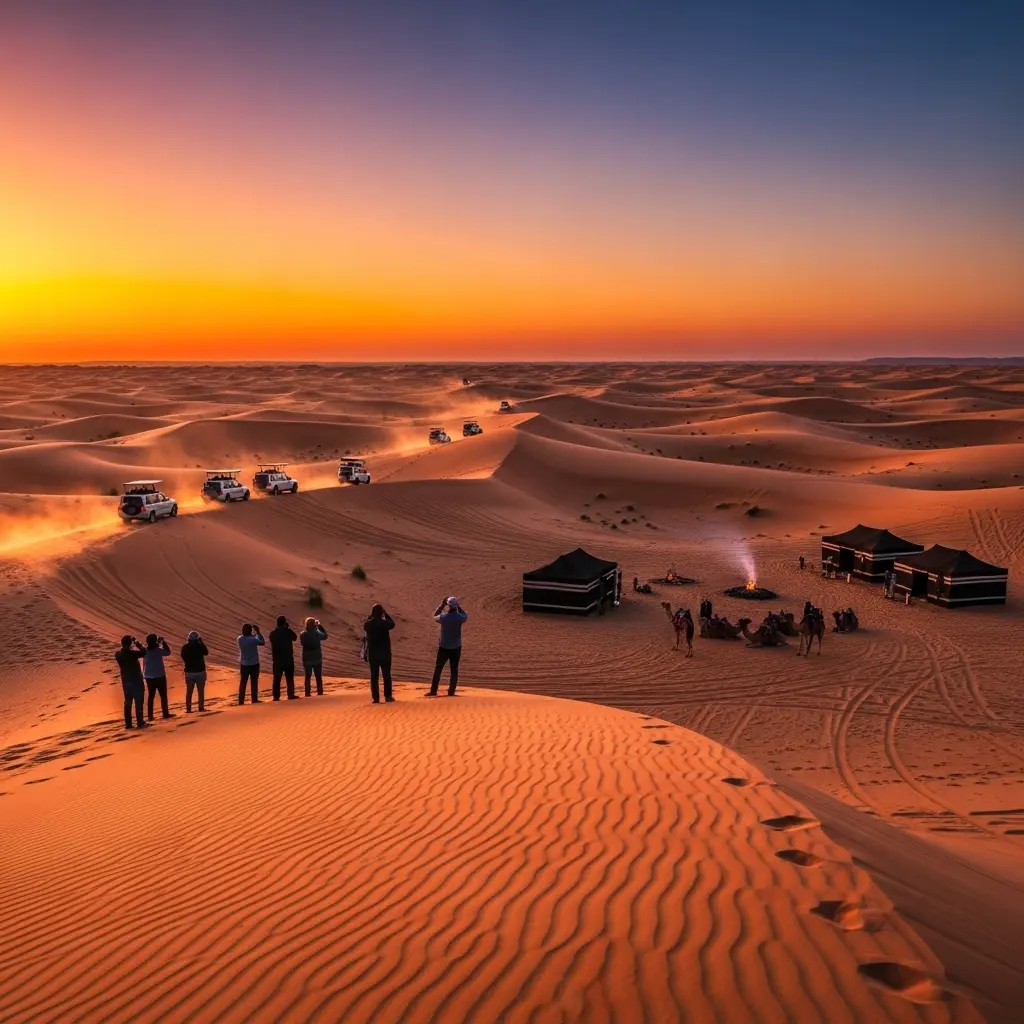
In winter, the sun sits lower in the sky, creating long, soft shadows that accentuate the elegant curves of the dunes. The “golden hours” surrounding sunrise and sunset last longer, bathing the landscape in a warm, ethereal glow. The air is clearer, allowing for sharp, detailed shots of distant dunes and crystal-clear astrophotography at night. This is the ideal season for capturing the classic, postcard-perfect desert shots.
In summer, the challenge is the harsh, overhead sun during the day, which creates flat light and high contrast. However, the summer season has its own unique photographic appeal. The higher levels of dust and haze in the atmosphere can create incredibly dramatic, fiery red and orange sunsets. The focus for photographers in summer should be exclusively on the moments just before sunset and just after sunrise. Capturing the shimmering heat haze rising from the dunes can also result in unique, artistic images.
A Seasonal Guide on What to Wear
Dressing appropriately is crucial for both comfort and safety. Your packing list will vary significantly depending on whether you visit during the Best Desert Safari Season of winter or the challenging summer.
Winter Wardrobe Essentials:
- Layers are Key: Wear a lightweight t-shirt or shirt as a base, and bring a fleece, sweater, or medium jacket for the evening. The temperature drop after sunset can be significant.
- Comfortable Trousers: Jeans, cargo pants, or comfortable athletic trousers are perfect.
- Closed-Toe Shoes: Sneakers or walking shoes are essential to navigate the sand and protect your feet.
- Sun Protection: A hat, sunglasses, and sunscreen are necessary even on cooler days.
- A Scarf or Shawl: Versatile for warmth, sun protection, or even as a prop for photos.
Summer Wardrobe Essentials:
- Lightest Fabrics: Opt for the most breathable materials you own, such as linen or thin cotton. Light colors are a must to reflect heat.
- Loose-Fitting Clothing: Loose, long-sleeved shirts and trousers (like linen pants) are far better than shorts and t-shirts, as they protect your skin from sunburn while allowing air to circulate.
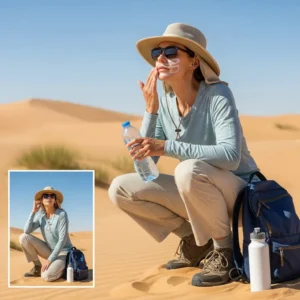
- Maximum Sun Protection: A wide-brimmed hat is non-negotiable. Ensure your sunglasses offer high UV protection. Apply SPF 50+ sunscreen liberally and frequently.
- Cooling Towel: A towel that you can dampen with water can provide immense relief when worn around your neck.
- Electrolyte Packets: Consider adding these to your water to replenish salts lost through sweating.
Ultimately, the decision of when to go rests on your personal preferences. For the most comfortable, active, and picturesque experience, the winter months are undeniably the Best Desert Safari Season. However, if your priorities are budget and solitude, and you can handle the extreme heat with careful planning, a summer safari can still be a rewarding adventure. For a balanced view of options and pricing across seasons, consulting a platform like https://hafiztourism.com/ can be very helpful.
Frequently Asked Questions (FAQs)
1. How cold does the desert actually get on a winter evening? The temperature drop after sunset in the winter can be quite surprising to first-time visitors. While the daytime might be a pleasant 25°C (77°F), the temperature can easily fall to between 10°C and 14°C (50°F to 57°F) in the evenings, especially from December to February. It feels even cooler due to the open environment. Therefore, bringing a warm fleece, jacket, or shawl is not just a suggestion but a necessity for comfort.
2. Are the safari camps and vehicles air-conditioned in the summer? Yes, this is a critical aspect of summer operations. All safari vehicles used for transportation and dune bashing are equipped with powerful air conditioning, which is essential for guest safety and comfort. At the campsite, the main enclosed majlis (seating area) is typically air-conditioned, providing a cool space to relax. However, the outdoor dining and performance areas are not, which is why the entire experience is timed for after sunset when the air temperature becomes more bearable.
3. Is it worth going on a desert safari during Ramadan? Going on a safari during the holy month of Ramadan offers a unique cultural experience. Operations are adjusted to respect the observance. Live entertainment like belly dancing is usually suspended, and the serving of alcohol is prohibited. The tour often includes a special Iftar buffet at sunset. It’s a more serene and culturally immersive experience, but if you’re seeking the full entertainment package, it’s best to go outside of Ramadan.
4. Will I see any wildlife in the desert during the summer? Wildlife sightings are much less common during the summer. Most desert animals are naturally adapted to escape the heat by being most active at dawn, dusk, or during the night (crepuscular and nocturnal behavior). During the scorching daytime, they take shelter in burrows or shaded areas. While you might get lucky and spot a gazelle near sunset, the Best Desert Safari Season for wildlife enthusiasts is definitely winter.
5. Are there significant price differences between the seasons? Yes, the price difference is one of the main reasons people consider a summer safari. The winter months (especially December and January) are the peak tourist season in Dubai, and safari prices are at their highest. During the summer off-season (June to August), you can often find discounts of up to 30-50% on similar tour packages as operators compete for fewer tourists. This makes it a very budget-friendly option.
6. I can only travel in August. What is the single most important tip for a summer safari? Hydration. This cannot be overstated. You must be proactive and disciplined about drinking water. Start hydrating the day before your safari, and on the day of the tour, drink water constantly, even if you don’t feel thirsty. Avoid dehydrating drinks like coffee and alcohol. This is the most crucial step to prevent heat exhaustion and ensure your well-being.
7. Does the desert landscape change between winter and summer? The fundamental landscape of golden dunes remains the same year-round. However, there are subtle differences. After rare winter rains, the desert can experience a “bloom,” with small patches of green vegetation and colorful wildflowers appearing, which is a beautiful and rare sight. In summer, the air is often hazier, which can reduce visibility but also contributes to creating intensely colorful, fiery sunsets.
8. Which season is better for an overnight safari experience? Winter is overwhelmingly the better choice for an overnight safari. The cool and comfortable night temperatures make sleeping in a traditional Bedouin-style tent a cozy and pleasant experience. In summer, even with fans, the tents can remain warm and stuffy, making it difficult to sleep comfortably, even though the temperatures do drop from the daytime highs. The Best Desert Safari Season for a comfortable overnight stay is from November to March.
9. Are there any special events or festivals in the desert camps during winter? Yes, during major holiday periods like Christmas and New Year’s Eve, many safari operators, including those listed on https://royaldesertadventures.ae/, organize special events. This can include a festive-themed buffet, special decorations, and often a spectacular countdown or celebration for New Year’s Eve. These tours are very popular and need to be booked well in advance.
10. Do sandstorms happen more in one season than another? Sandstorms can technically happen at any time of year, but they are more frequent during the seasonal transitions, particularly in the spring (March/April) as the weather patterns change. Tour operators monitor weather conditions very closely. If a severe sandstorm is forecast, tours will be cancelled for safety, and you will be offered a refund or the option to reschedule.
11. Is morning or evening safari better in the winter? In winter, both morning and evening safaris are excellent options, and the choice depends on your preference. An evening safari is the classic choice, including the sunset, dinner, and entertainment. A morning safari is great for those who are short on time or prefer a quieter experience focused on dune bashing and other adventure activities in the beautiful morning light, without the large camp dinner.
12. Is morning or evening safari better in the summer? In summer, the choice is more critical. An evening safari is generally more manageable as you arrive after the peak heat and stay until the cooler night. A sunrise safari is the only viable morning option, as a tour starting any later would run into the unbearable midday heat. A standard “morning safari” that runs from 9 AM to noon is not typically offered or recommended in the summer.
13. Does rain ever affect desert safaris in the winter? Rain in Dubai is a rare event, mostly occurring in short bursts during the winter months. Heavy rain can make the sand temporarily unsuitable for dune bashing. In such rare cases, the tour might be delayed, or the dune bashing portion could be canceled for safety. However, a light drizzle can offer a unique and beautiful desert experience, settling the dust and creating a dramatic atmosphere.
14. Which month has the most pleasant evenings for a desert dinner? October, November, March, and April generally have the most idyllic evening temperatures. It’s cool enough to be comfortable but not so cold that you need a heavy jacket. December to February evenings are also beautiful but are distinctly chilly, which some people love for the cozy bonfire feel, while others might find it a bit too cold.
15. Can I enjoy a safari if I am sensitive to the cold? Absolutely. If you are visiting in the peak winter months and are sensitive to the cold, the key is to dress in warm layers. Wear a thermal base layer, a sweater or fleece, and a windproof jacket. A warm hat and scarf will also make a big difference. Once you’re properly dressed, you can comfortably enjoy the crisp desert night.
16. Are crowd levels noticeably different between the seasons? Yes, the difference is significant. In peak winter (especially during school holidays and the Christmas/New Year period), the desert camps can be very busy, hosting hundreds of guests. In the heart of summer, the camps are much quieter, with a more intimate and relaxed atmosphere. If you dislike crowds, the Best Desert Safari Season for you might be the shoulder months (Oct/Nov, Apr) or the summer.
17. Is the air quality better in one season over another? Generally, the air quality and visibility are better in the winter. The cooler, denser air is less prone to holding dust and haze. This results in clearer views, brighter blue skies, and sharper stars at night. The summer months often have a higher concentration of airborne dust and humidity, creating a hazy or milky appearance in the sky.
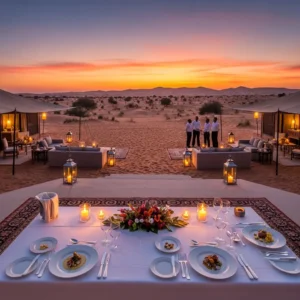
18. I want to propose to my partner on a safari. Which season is best for romance? For a romantic occasion like a proposal, winter is the ideal choice. The comfortable weather allows for a more relaxed and special experience. You can book a private or luxury safari, which often includes a secluded dune-top setup during sunset. The pleasant evening temperatures are perfect for a romantic private dinner under the stars. The overall ambiance is far more comfortable and magical during the winter.
19. As a budget traveler, is summer my only option? While summer offers the biggest discounts, you can also find good deals during the winter if you are flexible. Booking your safari on a weekday instead of a weekend can sometimes be cheaper. Also, look for deals during the shoulder months like late October or early April. Planning and booking in advance through various providers, like those you can find on https://dubaidesertsafarie.com/ or https://hafiztourism.com/, can also help you secure a better price even in the high season.
20. Ultimately, if I could only pick one month, what is the absolute best time? If you are looking for the absolute perfect balance of fantastic weather, clear skies, and vibrant energy, January would be the top choice. The daytime temperatures are ideal, the evenings are refreshingly cool, and all activities are at their most enjoyable. It represents the very heart of the Best Desert Safari Season, delivering the quintessential desert experience that most travelers dream of.